Key Takeaways
- State Bank of Pakistan (SBP) has capped bank charges for digital petroleum sales.
- Merchant Discount Rates capped at Re1 per litre for card-based transactions and 20 paisas for online QR codes.
- Decision aims to reduce financial burden on fuel stations and promote digital payments.
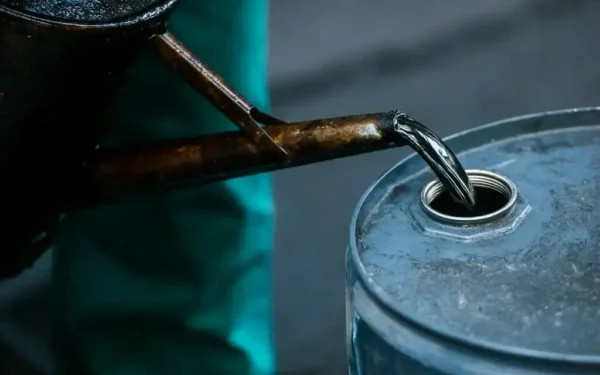
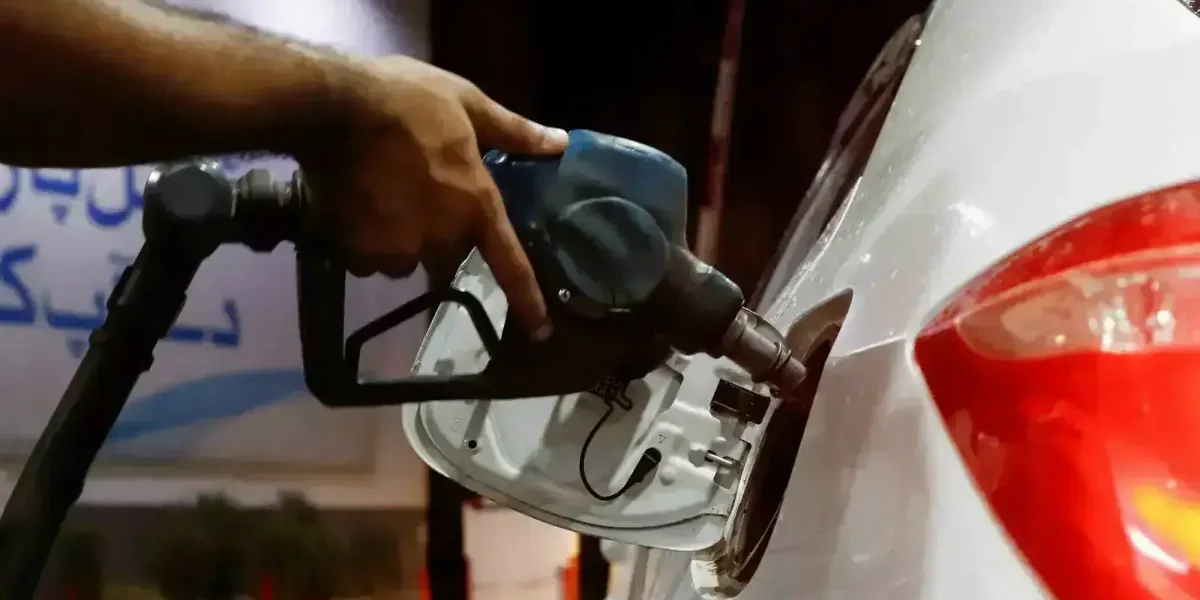
Following demands from petroleum dealers, the State Bank of Pakistan (SBP) has capped bank charges on sales of petroleum products through digital payment methods. This move is aimed at reducing the financial burden on fuel stations while promoting digital inclusion.
Under the new decision, merchant discount rates for card-based petroleum transactions have been capped at a maximum of Re1 per litre, while charges on online transactions conducted through QR codes and Raast have been capped at 20 paisas per litre. Earlier, banks charged these transaction fees at their discretion, with rates varying from bank to bank.
The SBP's notification states that the decision has been taken to facilitate the acceptance of digital payments at fuel stations and accelerate the deployment of interoperable Raast QR-based payment acceptance for the purchase of fuel and related products. These rates will remain in place until January 31, 2027, for all payment cards issued in Pakistan.
The SBP has asked banks to actively engage with their respective merchants (fuel stations) during this six-month period to ensure the enablement and availability of Raast QR-based payment acceptance. The central bank will revisit these instructions on or around January 31 next year based on market response.
Hassan Shah, spokesperson for the All Pakistan Petroleum Dealers Association (APPDA), explained that the situation had been aggravated after the introduction of the daily pricing mechanism, as lead time between booking and delivery was around 48 hours while prices were now changing on a 24-hour basis. He stated, 'We were not only suffering losses but always remained confused.'
The APPDA cautiously welcomed the notification, saying it was a positive step towards expanding digital payments across the country. However, they warned that even the revised rates were ‘higher than economically justified.’ The association noted that modern point-of-sale (POS) terminals cost around Rs30,000 as a one-time investment, while monthly operating and maintenance expenses generally do not exceed Rs5,000.
Petrol pump dealers currently earn a commission of only Rs8.64 per litre, making the new charges significant in comparison. The SBP's decision is expected to help fuel stations transition to digital payments more smoothly, although some concerns remain about the economic viability of these rates for small businesses.
The SBP’s move reflects its commitment to modernizing payment systems and enhancing financial inclusion across Pakistan. However, it remains to be seen how effectively this will be implemented in practice.
This was too high compared to the fixed and regulated dealer commission of Rs8.64 per litre. After adding the 12pc withholding tax and other fixed charges, dealers were left with little option but to adopt dishonest means to survive.
Hassan Shah, Spokesperson for APPDA
We were not only suffering losses but always remained confused.
Hassan Shah, Spokesperson for APPDA