Key Takeaways
- The Sindh High Court has ordered authorities to remove wall chalking, posters, and banners from public spaces.
- Violators can face up to six months in prison or a fine of Rs. 5,000, with an additional Rs. 1,000 per day for continued offenses.
- The court adjourned the case for two weeks at the government’s request.
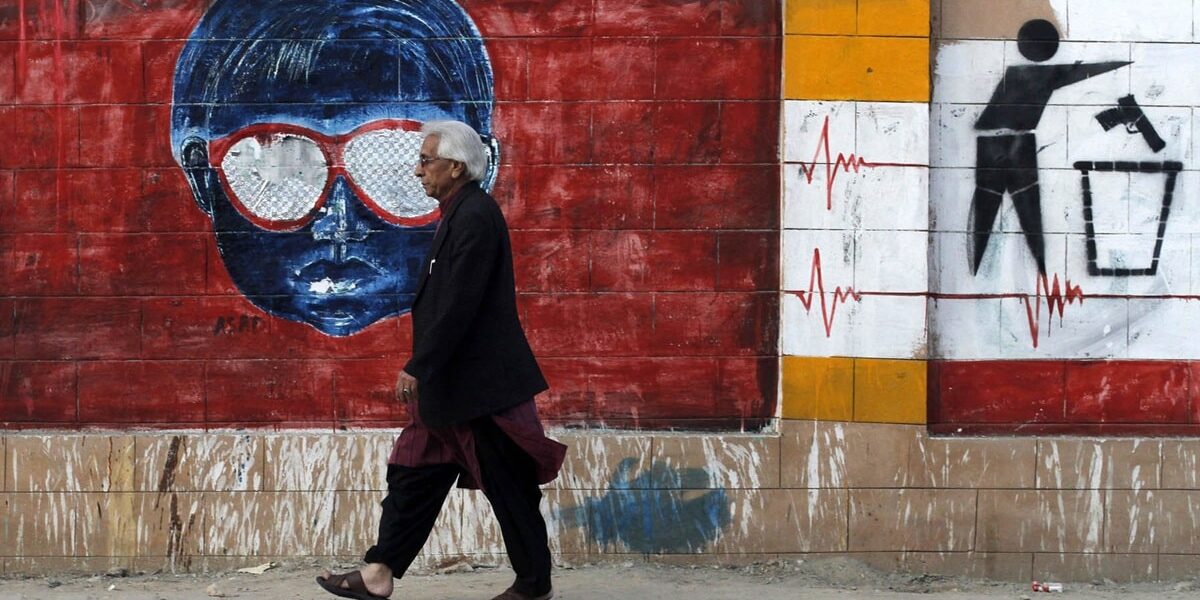
The Sindh High Court has issued a directive ordering immediate action against wall chalking and unauthorized posters in public areas across the province. This decision was made during a hearing of a petition filed against illegal wall chalking, which has been defacing public property.
During the court proceedings, Tariq Mansoor, the petitioner’s counsel, informed the judges that the law prohibiting the defacement of walls and public property had been in place since 2013. He highlighted that violators could face severe penalties, including up to six months in prison or a fine of Rs. 5,000, with an additional Rs. 1,000 for each day the offense continues.
The court also instructed local government bodies to take action and clear unauthorized posters, banners, and wall chalking from their respective areas. The Sindh Chief Secretary was directed to establish an Anti-Defacement Task Force to address this issue more effectively.
However, the Sindh government’s legal representative failed to submit a report on the establishment of the task force during the hearing. As a result, the court adjourned the case for two weeks at the government's request, allowing time for further action and reporting.
The petitioner’s counsel emphasized that property owners are allowed to display signboards related to their businesses on their premises, distinguishing between legitimate commercial signage and unauthorized wall chalking.
This order comes as a response to growing concerns over public cleanliness and order in Sindh. The court's directive aims to ensure a clean environment for citizens while also addressing the legal implications of defacement offenses.