Key Takeaways
- Total automotive sales in Europe have fallen from 18 million in 2019 to around 13 million in 2025.
- New tariffs from the US have hit German car exports, with current rates at 25 percent.
- Volkswagen Group is considering closing four of its German factories to adapt to the changing market.
The German automotive industry, once a cornerstone of the country's economy, is facing significant challenges. Since the turn of the century, German car manufacturers have been at the forefront of innovation and investment. However, the industry now grapples with multiple issues, including declining domestic demand, increased competition from emerging markets, and the imposition of punitive tariffs.
According to recent data, total automotive sales in Europe have seen a substantial decline, dropping from nearly 18 million units in 2019 to around 13 million in 2025. This reduction is exacerbated by the growing presence of new entrants from China, which has its own production capacity issues to address.
The US market, traditionally the most profitable for German car exports, has also been affected by new import tariffs, currently standing at 25 percent. These tariffs, which could be subject to change, have significantly impacted the profitability of German car exports to the US.
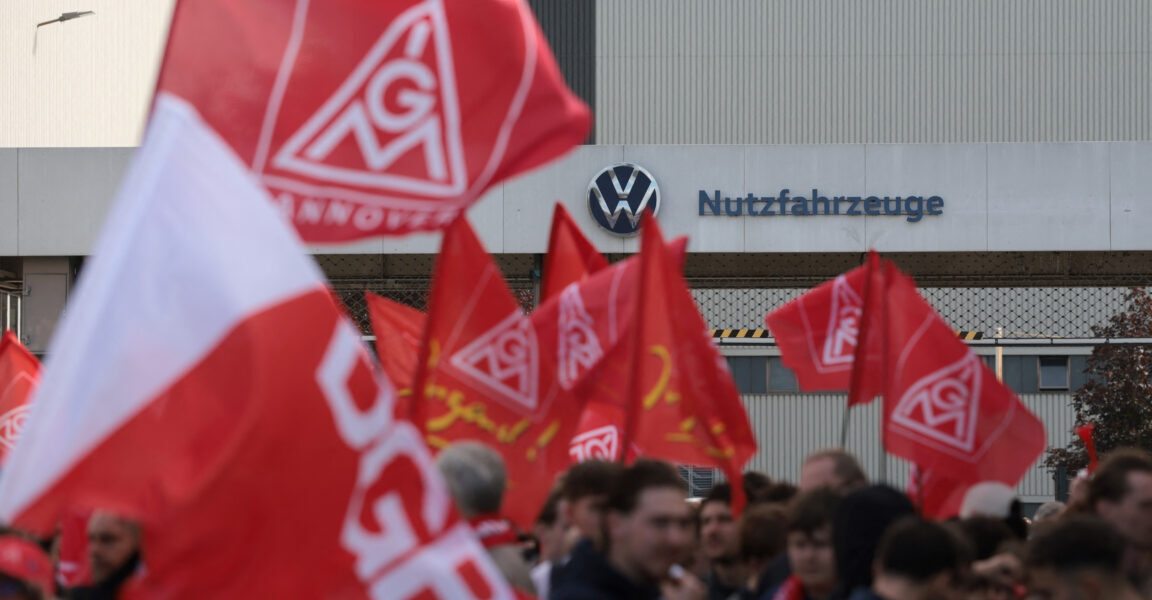
In response to these challenges, German car manufacturers are considering drastic measures. Earlier this summer, reports emerged that Volkswagen Group is contemplating the closure of four of its German factories to prepare for the future. This move, which would have been unimaginable just a few years ago, underscores the severity of the situation.
The decision to close factories is not limited to Volkswagen. Other major German car manufacturers are also facing similar pressures. The industry is now grappling with an aging workforce and a slow recovery from the COVID-19 pandemic, adding to the complexity of the situation.
The potential job losses and factory closures are causing widespread concern among workers and local communities. Protests have already begun, with workers and unions voicing their opposition to the proposed changes. The future of the German automotive industry is uncertain, and the impact on the economy and employment is a matter of significant public interest.
While the situation is dire, some experts suggest that the industry can adapt through technological innovation and strategic partnerships. However, the immediate focus remains on navigating the current challenges and ensuring the survival of the industry in the face of global competition and economic pressures.
The German government is also considering measures to support the industry, including subsidies and incentives for research and development. These efforts aim to help German car manufacturers remain competitive in the global market and preserve jobs in the sector.