Key Takeaways
- FWO plans to construct the Multan-Rohri rail section under a build and lease model.
- The project is estimated to cost Rs. 470 billion and is expected to be completed within three years.
- Financing will be arranged mainly through local commercial banks.
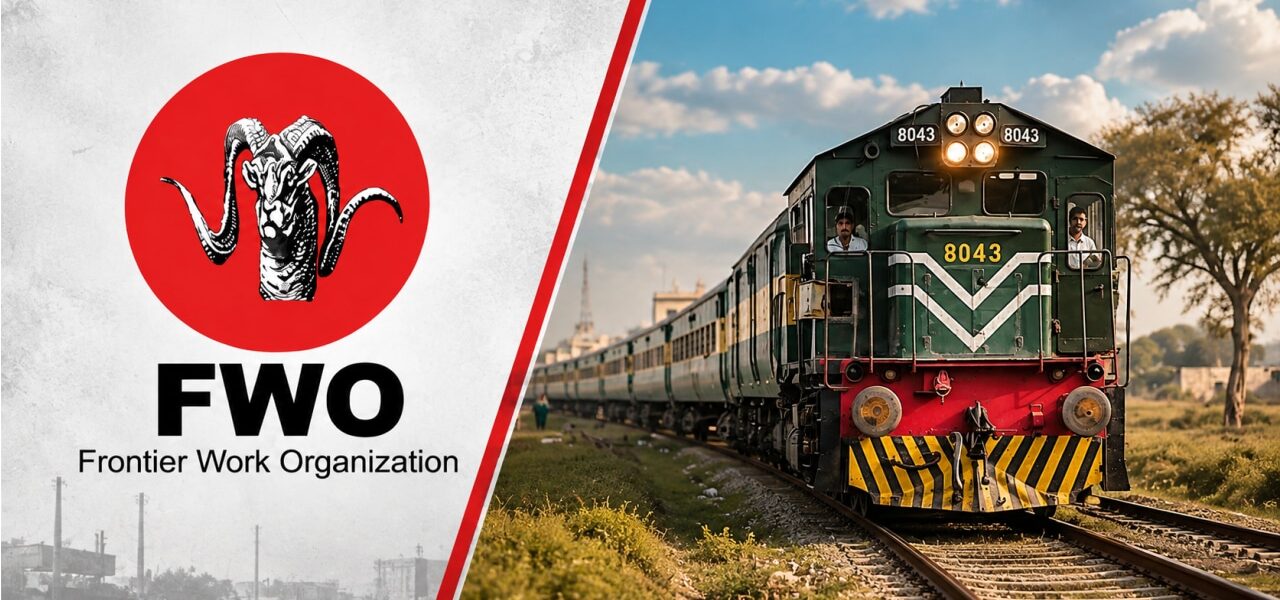
The Frontier Works Organisation (FWO) has proposed constructing the Multan-Rohri section of the Mainline I railway project under a build and lease model, with a cost of Rs. 470 billion. The project was discussed at a meeting chaired by Planning Minister Ahsan Iqbal on Wednesday.
Under the proposed model, FWO would arrange debt from local banks to finance up to 80 percent of the project cost, while the federal government would provide between 20 percent and 40 percent of the funding, treating it as viability gap funding.
The federal government has decided to pursue the build and lease model, with the remaining issue being the financing structure. The proposed lease period would be 25 years, as confirmed by a senior SIFC official.
Pakistan Railways is reluctant to take full responsibility for repaying the loans after taking over the track, and the Ministry of Finance has not given clear consent to provide guarantees.
Alternative mechanisms, such as financing under the National Economic Initiative, are being explored. The government is expected to provide between Rs. 91 billion and Rs. 182 billion in grants under the proposed financing structure.
The ML I railway project, originally part of the China Pakistan Economic Corridor, was previously declined by China due to increased costs. Pakistan is now negotiating with the Asian Development Bank for a $1.2 billion loan to develop the Karachi Rohri section, estimated to cost $2.5 billion.
For the Rohri Multan section, the government is exploring local financing options with FWO as the contractor. The federal government is expected to provide between Rs. 91 billion and Rs. 182 billion in grants under the proposed financing structure.
Ahsan Iqbal directed the Ministry of Railways and Ministry of Finance to present alternative financing options for the project, emphasizing the need for a workable financing mechanism to accelerate ML I construction.