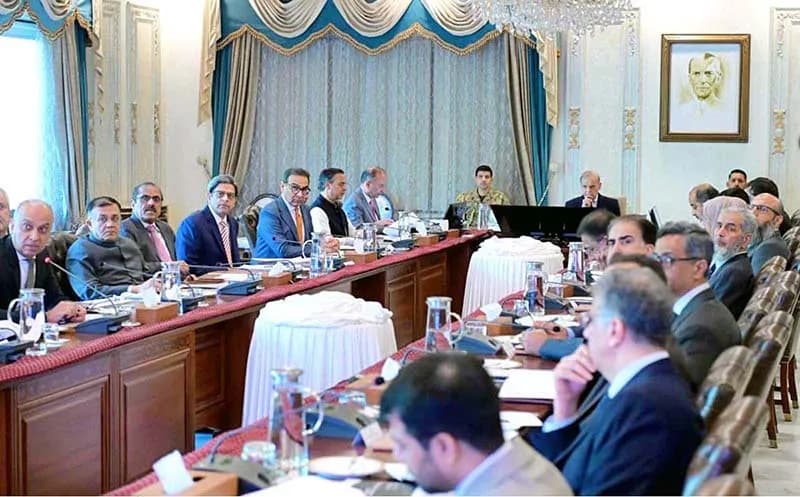
Prime Minister Muhammad Shehbaz Sharif on Thursday reaffirmed the government’s commitment to placing Pakistan firmly on the path of sustained export-led economic growth. Addressing a gathering of the Pakistan-American Business Council (PABC) in Islamabad, Sharif stated that export-led growth was the only sustainable way forward, emphasizing that the government was determined to consolidate economic stability gains and create an enabling environment for domestic and foreign investors.
“It has to be export-led, nothing else, export-led growth,” Sharif said, while highlighting opportunities to expand bilateral trade and investment between Pakistan and the United States. He noted the government is exploring greater imports of American agricultural products, such as soybeans, while seeking wider market access for Pakistani surgical instruments, sports goods, and other manufactured products in the US market.
To attract investment, Sharif assured American investors that the government is ready to address their genuine grievances and remove bureaucratic hurdles, red tape, and procedural delays. “I am here to listen to you very attentively and, without delay, put in place a mechanism to address your genuine grievances,” he said. He described American companies as important ambassadors of the country, acknowledging their contributions to investment, employment, exports, and national revenue.
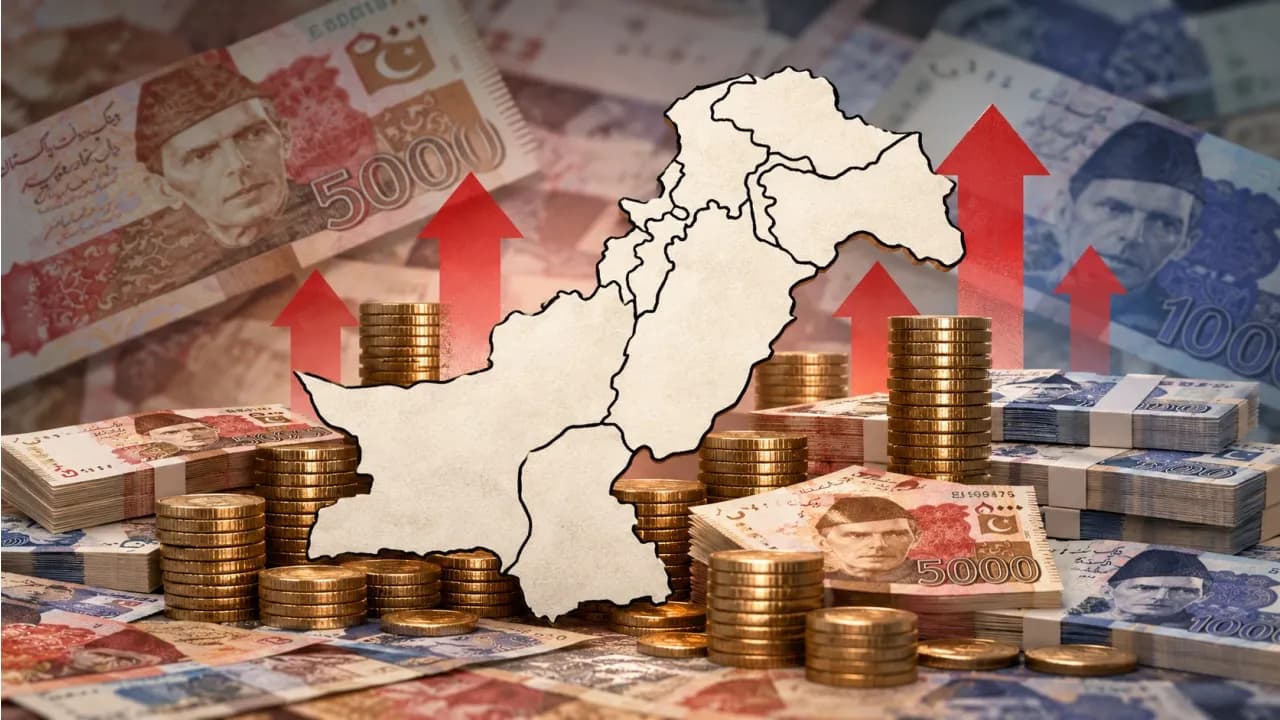
Sharif highlighted several improvements in economic indicators, noting that Pakistan’s total foreign exchange reserves reached around $27 billion, including holdings of commercial and central banks. He contrasted this with the economic situation in 2023 when the country faced a serious threat of default. He reported that inflation had declined from around 32 per cent to 11.5 per cent, and the policy rate had been reduced from 23.5 per cent to 12 per cent. He attributed these gains to hard work, fiscal discipline, and collective efforts despite regional and global challenges, including the ongoing Gulf crisis.
The Prime Minister stated that the government introduced targeted subsidies for vulnerable segments of society and provided tax relief worth Rs400 billion in the current budget. He noted that the International Monetary Fund (IMF) has expressed confidence in the country’s economic management. Sharif said he personally reviews the implementation of key economic decisions with his team every week.
Regarding the private sector, Sharif said the government had introduced reforms in the Export Development Fund and appointed private-sector entrepreneur Omar Saeed as its head. He also mentioned that the Export-Import Bank of Pakistan was provided Rs4 billion to extend subsidized export financing. Furthermore, the government has decided to encourage electric vehicles (EVs) while discouraging internal combustion engine (ICE) vehicles to reduce dependence on imported fuel and conserve foreign exchange.
Sharif identified agriculture, livestock, information technology, artificial intelligence, industry, and minerals as areas of enormous potential. He noted that practical work on mineral development gained momentum over the past two to three years. He also emphasized the need to equip the young population with vocational and technical skills through training programmes, laptops, iPads, and stipends.
To eliminate institutional inefficiencies, Sharif highlighted the dissolution of the Pakistan Public Works Department (PWD) and the replacement of the subsidized food distribution system with direct digital cash transfers. He reported that the government disbursed Rs27 billion through digital transactions during the current year. He also acknowledged a strong partnership between the political and military leadership as a factor in advancing the country’s economic interests.
Earlier in the event, Adnan Asad, President of the Pakistan-American Business Council, highlighted the contribution of American companies in Pakistan. He stated that around 80 American companies were represented at the gathering, all of which had posted profits. Asad reported that the cumulative revenue of these companies stood at approximately Rs 956 billion, with capital investment exceeding Rs74 billion over the past five years.
Asad stated these companies directly employed around 96,000 people and indirectly supported nearly two million jobs. He noted they reinvested Rs32 billion in Pakistan during the past two years, with exports amounting to approximately $123 million and a contribution to the national exchequer of around Rs185 billion. Regarding corporate social responsibility, Asad said the companies collectively planted more than 500 million trees, supported 12 million patients through healthcare programmes, and provided food assistance to 15 million people during flood-related relief activities. He added that around 300,000 students benefit from scholarship programmes supported by the participating companies, with combined spending on such initiatives close to Rs3 billion.