Prime Minister Shehbaz Sharif has directed authorities to simplify loan procedures for small and medium enterprises (SMEs) to boost economic activity, create jobs, and promote entrepreneurship.
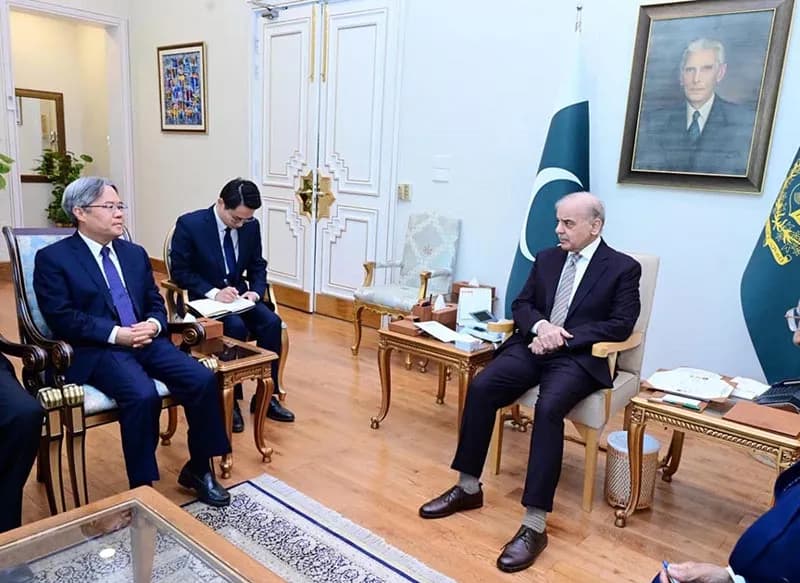
During a high-level meeting on Friday regarding SME credit access, Sharif ordered that export data from the Pakistan Single Window, along with participation in supply chains through Exim Insurance and digital invoicing, be treated as alternative collateral for bank loans. He also instructed that the cash flow of SMEs be used as an alternative criterion for assessing eligibility for financing.
The Prime Minister directed a review of the prudential regulations that govern how banks lend to the SME sector. He further instructed that banks be given access to data held by government institutions to speed up the loan disbursement process. Sharif emphasized that banks should provide comprehensive support, including the issuance of Letters of Credit (LCs) and bank guarantees, rather than just loans. He stated that banks reaching their designated SME lending targets would be rewarded.
During the meeting, banks reported they were strengthening their institutional capacity to accelerate lending. They committed to providing Rs2,000 billion in loans to SMEs by June 2028 and increasing the number of SME borrowers to 775,000. This target includes Rs886 billion in new loans and financial facilities for 449,000 new SME borrowers.
Sharif described SMEs as the backbone of the country’s economy. He stressed the need for SMEs to receive effective guidance on accessing financial resources, preparing business documentation, and utilizing export opportunities.
In a separate meeting regarding the Pakistan Council of Scientific and Industrial Research (PCSIR), the Prime Minister stated that the institution could play an important role in promoting export-led growth and the development of the SME ecosystem. He directed all PCSIR laboratories to obtain international standard accreditations to facilitate the certification of Pakistani export products.
Sharif also ordered the PCSIR to make its research role more effective to help domestic products compete globally. He directed enhanced cooperation with the National Vocational and Technical Training Commission (NAVTTC) for the industrial and technical training of youth. Furthermore, he called for a third-party validation report on the PCSIR and formed a committee to review the institution's mandate, performance, and future potential.
On Friday, Minister for Power Awais Ahmed Khan Leghari briefed the Prime Minister on the outcomes of the 11th session of the Pakistan-Russia Inter-Governmental Commission (IGC) following his visit to Russia.
Additionally, the Prime Minister met with Minister for Railways Hanif Abbasi at the Prime Minister’s House. Sharif directed Abbasi to take effective measures to ensure the timely completion of ongoing railway projects.