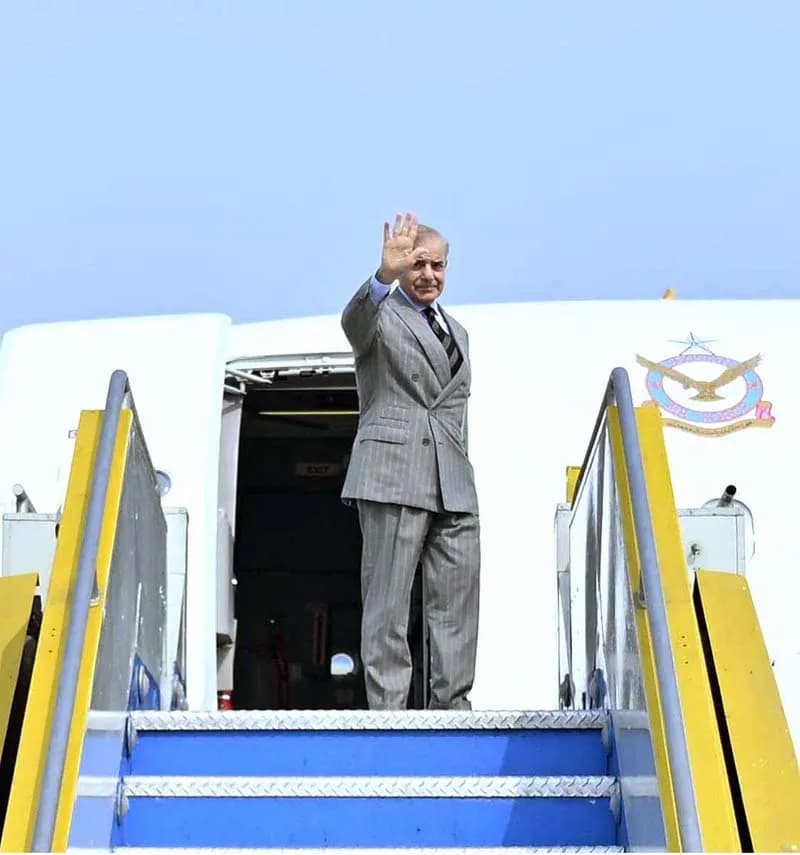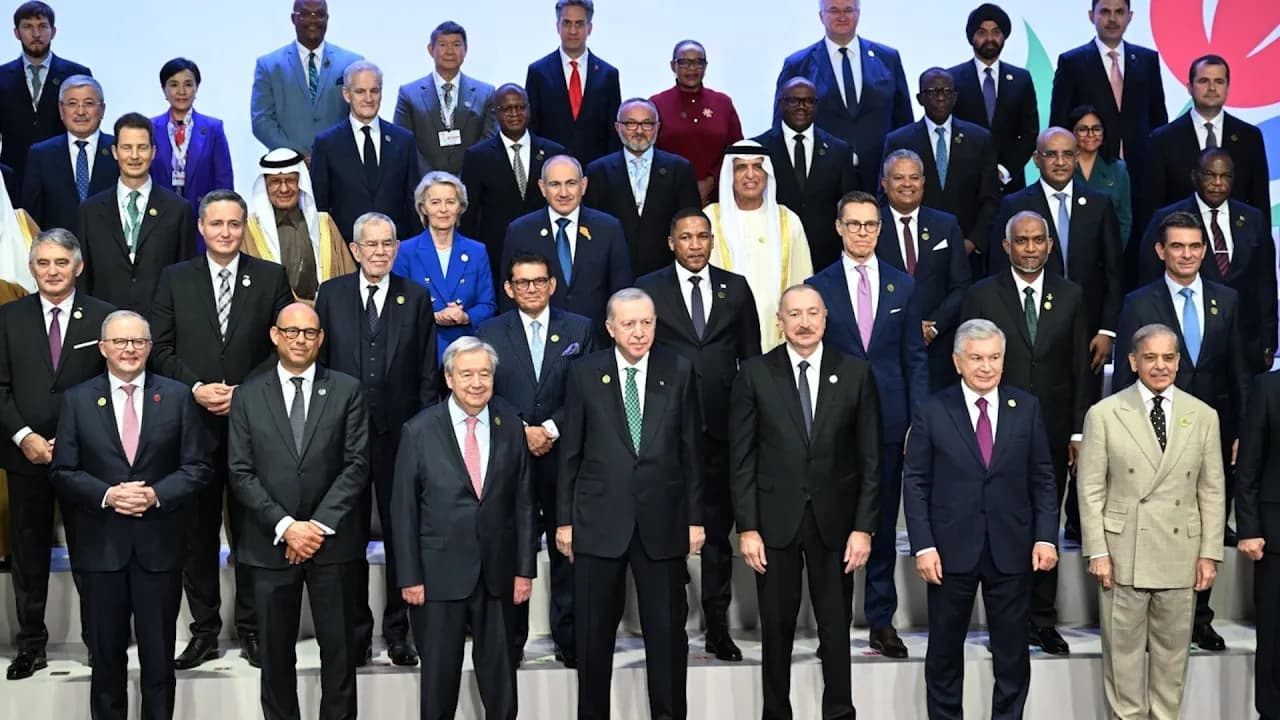
Prime Minister Shehbaz Sharif reported that Pakistan has undergone an extraordinary transformation in its energy sector, adding nearly 22,000 megawatts (MW) of rooftop solar capacity in just two years. Speaking at a high-level dialogue titled “35 by 35: Powering the Future” at the 31st United Nations Climate Change Conference (COP31) in Antalya, Türkiye, on Wednesday, the prime minister attributed this growth to households and businesses seeking cheaper, cleaner, and more predictable electricity.
The prime minister reaffirmed Pakistan’s support for the 35-by-35 Global Electrification Pledge, which seeks to raise electricity’s share of total final energy consumption to approximately 35% by 2035. He stated that clean energy sources currently account for nearly 55% of the country’s energy mix. To further this, he noted the recent inauguration of a key section of Chashma Nuclear Power Plant-5 (C-5), which will contribute 1,200MW of clean electricity to the national grid.
Regarding transportation, Shehbaz outlined plans to accelerate electric mobility. He stated that a newly drafted automobile policy provides incentives through lower tariffs to encourage electric vehicle adoption. The prime minister said the government intends for all future government buses and motorcycles to be electric, noting that more than one in every 10 motorcycles sold in Pakistan this year was electric for the first time.
However, the prime minister cautioned that the pace of this transition is dependent on adequate financing and affordable technology. He stated that Pakistan requires approximately $138 billion by 2035 for low-carbon power generation, plus an additional $50 billion to replace coal-based energy with solar power. He called for concessional financing and technology transfers, stating, “Finance must flow at the speed of ambition,” and argued that international cooperation is necessary to meet targets without increasing the debt burdens of developing nations.
On the sidelines of the summit on Wednesday, the prime minister met with several world leaders. He held a meeting with Iranian President Masoud Pezeshkian to discuss bilateral relations, economic cooperation, regional developments, and regional peace and stability, according to the Prime Minister’s Office (PMO). He also interacted with Bangladesh’s Prime Minister Tarique Rahman, Palestinian Prime Minister Mohammad Mustafa, Saudi Energy Minister Prince Abdulaziz bin Salman, Saudi Minister of State for Foreign Affairs Adel bin Ahmed Al-Jubeir, and Syrian President Ahmed al-Sharaa.
During his interaction with the Palestinian prime minister, Shehbaz reaffirmed Pakistan’s solidarity with the Palestinian people, while Mohammad Mustafa appreciated Pakistan’s efforts to highlight the plight of Palestinians at international forums. Other engagements included meetings with Organisation of Islamic Cooperation chief Ismail Ould Cheikh Ahmed, World Bank President Ajay Banga, and Türkiye’s First Lady Emine Erdoğan.
The Foreign Office stated that Shehbaz intends to use the summit to highlight Pakistan’s priorities, including disaster preparedness, early-warning systems, and renewable energy expansion. He is expected to call for accessible climate financing to help developing countries strengthen resilience. A Pakistan Pavilion has been established at the venue to host 54 events on climate themes. The PMO noted that Pakistan’s previous climate diplomacy helped establish the Loss and Damage Fund at COP27.