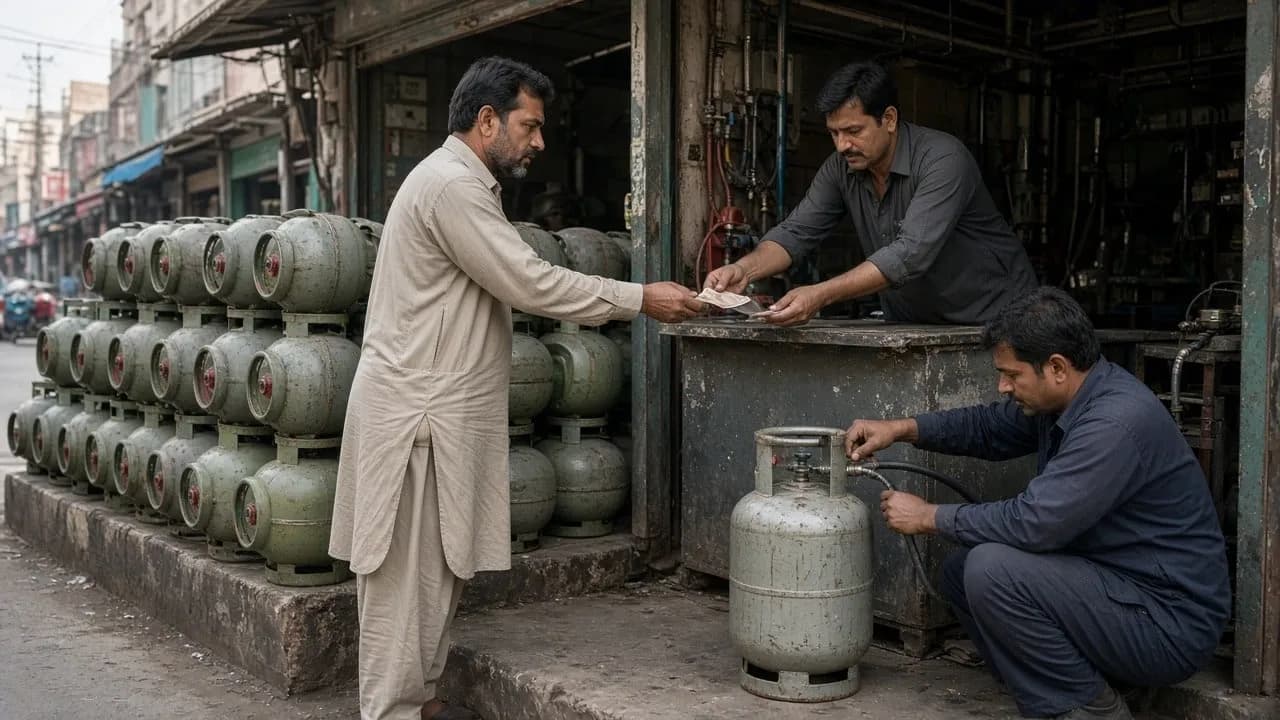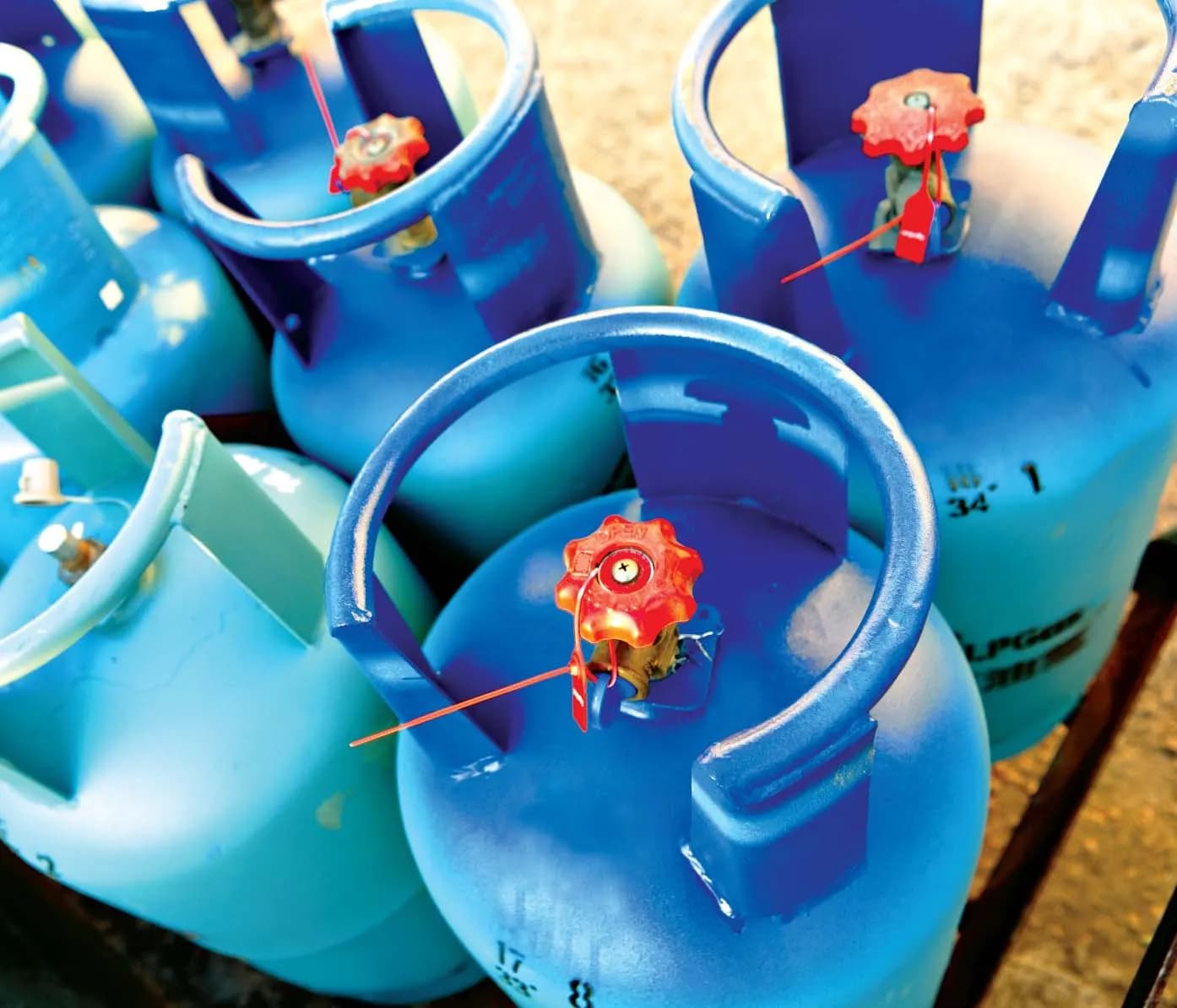
Liquefied petroleum gas (LPG) is being sold in Lahore for between Rs495 and Rs550 per kilogramme, a price significantly higher than the official rate of Rs294.75 notified by the Oil and Gas Regulatory Authority (OGRA). Residents who do not have access to piped natural gas are reportedly forced to purchase this expensive fuel for heating and cooking.
The price hike is impacting commercial transport, specifically affecting rickshaw drivers and operators of commercial vehicles. Majeed Ghauri, chairman of the Awami Rickshaw Union, stated that LPG is "the fuel of the poor." He noted that approximately 70 per cent of the union's 43,000 auto-rickshaws and nearly 8,000 Qingqi rickshaws operate on this fuel.
Muhammad Latif, a 45-year-old rickshaw driver who has worked for 30 years to support a family of seven, reported that he struggles to cover his expenses despite working over 12 hours a day. Latif stated that he pays Rs600 a day to rent his rickshaw and must refill the tank three or four times daily at a rate exceeding Rs500 per kilogram. He also pays Rs13,000 in monthly rent for his home while supporting three children and elderly parents.
"Previously, when LPG was cheap, we could earn a decent income. Now, it is difficult to get by on Rs800 to Rs900 a day," he said.
Another driver, Ashraf Khan, reported that passengers are unwilling to pay higher fares despite the increased fuel costs. Khan said, "For a journey that should cost Rs200 to Rs250, passengers may offer only Rs100 to Rs150."
The price increases occur amid reports of supply constraints caused by the closure of border crossings with Iran and natural gas load-shedding. These factors have further restricted access to cooking fuel. These pressures coincide with a 9.6 per cent inflation rate in October and the State Bank of Pakistan raising its policy rate to 12 per cent.