Industrial representatives are challenging a proposed electricity price increase that could add approximately Rs. 1.30 per unit to bills for the period of July to September 2026. The industrial sector is questioning why they should bear an additional Rs. 24 billion in quarterly charges despite government claims that an incremental consumption package provides relief.
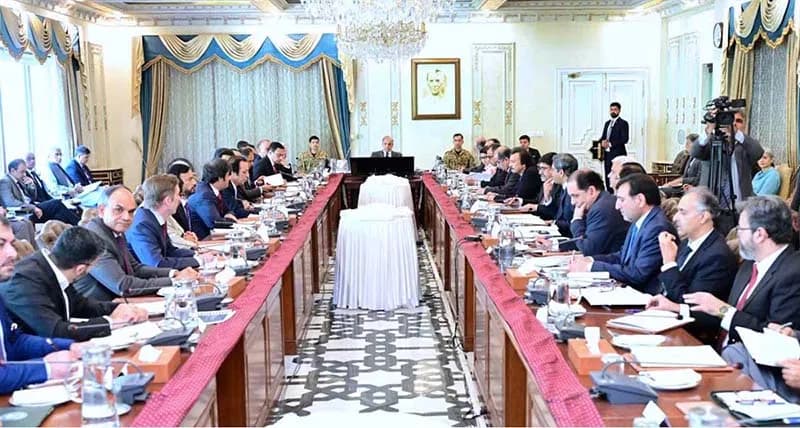
The issue was raised during a hearing on Tuesday by the National Electric Power Regulatory Authority (Nepra), which was conducted following a request from 11 distribution companies (Discos). Power companies are seeking to begin recovering these costs from December 2026. The proposed adjustment is based on higher capacity payments, variable operation and maintenance costs, and transmission and distribution losses.
Amir Shaikh and Rehan Javed, representing industrial consumers, raised concerns over Rs. 39 billion in additional capacity payment claims against previously approved tariff references. They also questioned a Rs. 5.6 billion impact from variable O&M costs and a Rs. 7.8 billion amount attributed to system losses in monthly fuel cost adjustments.
Shaikh argued that industrial consumers are facing a double burden because they are hit by positive monthly fuel cost adjustments (FCAs) throughout the quarter, followed by the quarterly adjustment. He stated that businesses had planned production based on expectations of lower quarterly charges.
The representatives also challenged how electricity sold under the government’s Incremental Consumption Package (ICP) is being treated. Shaikh argued that supplying electricity to selected industrial consumers under the package at rates Rs. 10 per unit below normal tariffs has increased the quarterly adjustment for the wider consumer base. This occurred despite government assurances that the impact would not be passed on to consumers outside the scheme.
Javed questioned the Discos’ claim of a Rs. 29.25 billion negative impact from the ICP on industrial consumers, arguing that the amount represents an additional burden distributed across other electricity users rather than actual relief. He also alleged that distribution companies used incorrect consumption figures by comparing them with FY2023-24 instead of the reference figures established under the current year’s notified tariff. Javed demanded that the ICP-related incremental units be excluded from the quarterly adjustment claim until the distribution companies submit complete data previously requested in March and September 2026.
According to claims submitted by the 11 distribution companies, capacity charges increased by Rs. 39 billion during July to September 2026. Seven distribution companies sought approximately Rs. 37 billion in additional recovery through capacity charges, variable O&M expenses, and transmission and distribution losses. However, negative adjustments of Rs. 13 billion claimed by four other companies partially offset the increase.
The Islamabad Electric Power Company reported the highest additional claim at Rs. 10.833 billion, followed by Faisalabad Electric Supply Company at Rs. 10.46 billion and Peshawar Electric Supply Company at Rs. 7 billion. Conversely, Tribal Electric Power Company reported the largest negative adjustment of Rs. 5.8 billion, followed by Quetta Electric Supply Company at Rs. 4.1 billion and Hyderabad Electric Supply Company at Rs. 1.95 billion.
Under the federal government’s policy guidelines for uniform quarterly adjustments, the QTA determined for distribution companies for the third quarter of calendar year 2026 will also apply to K-Electric consumers once Nepra issues its final decision. Under the existing tariff mechanism, fuel cost changes are passed on monthly through automatic adjustments, while quarterly adjustments account for power purchase prices, capacity charges, variable O&M costs, use of system charges, and transmission and distribution losses.