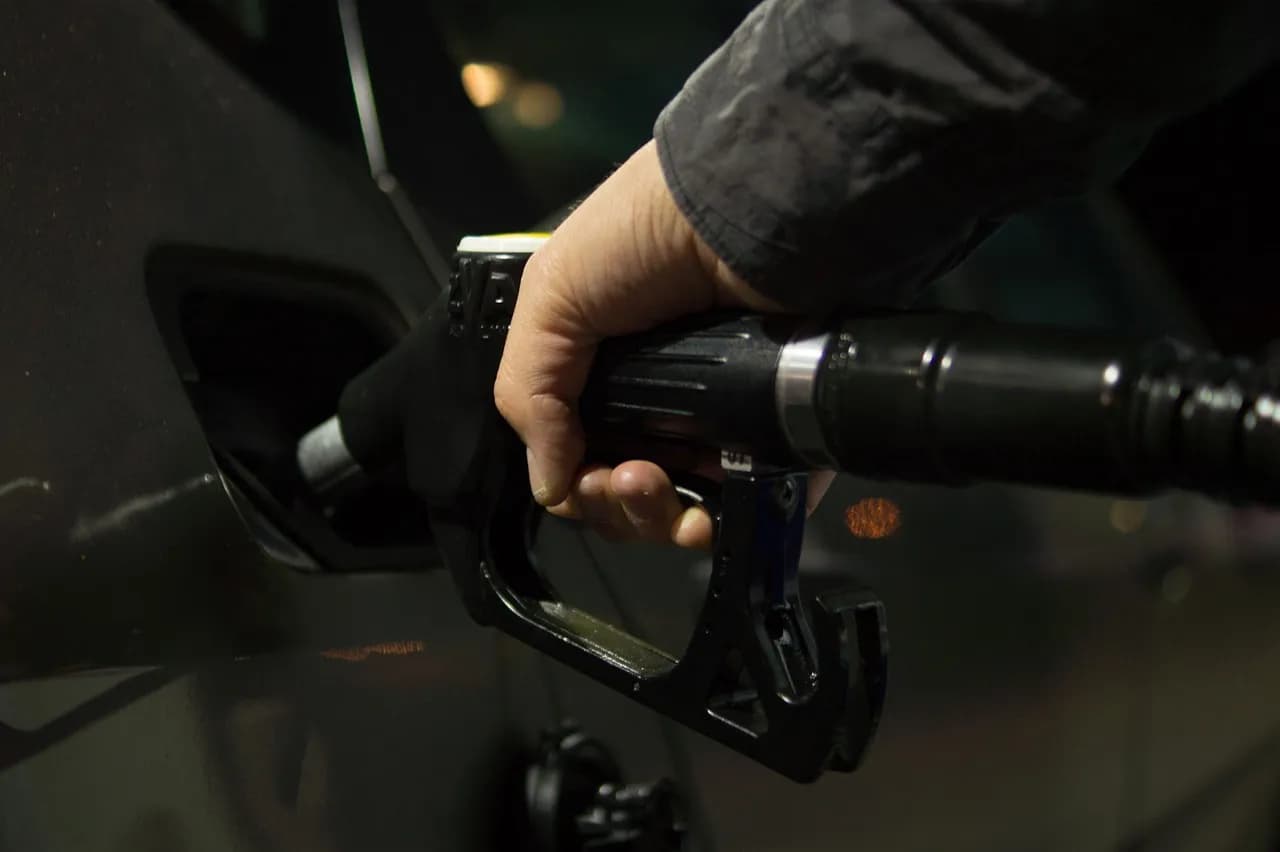
The Pakistan government has reduced the price of petrol by Rs3 per litre to Rs319 per litre, while keeping the diesel rate unchanged at Rs357 per litre. These revised ex-depot prices will take effect on Tuesday, November 24, 2026.
The Oil and Gas Regulatory Authority (OGRA) issued a notification on Monday stating that the new prices were worked out under the petroleum products pricing mechanism approved by the federal government. This move follows a previous review on Friday, where the government had reduced the petrol price by Re1 to Rs322 per litre and increased the diesel rate by Rs2 to Rs357 per litre.
The reduction in petrol prices snaps a 12-day streak of consecutive reductions in the rate of petrol that occurred the previous week. The government continues to levy Rs114 per litre in taxes and duties on petrol and Rs100 per litre on diesel.
According to the government, an arrangement announced on Nov 2 for 30 days requires oil refineries to contribute to the petroleum levy by bearing a cumulative impact of Rs15 billion. This arrangement allows for a Rs14.71 reduction in the petrol price at the consumer end.
The government also rolled out the Prime Minister’s Fuel Relief Scheme on Sept 17 to ease the public's burden from rising fuel prices caused by the Middle East situation. This subsidy scheme applies to owners of motorcycles, rickshaws, and vehicles of up to 800cc.
Fuel prices have seen significant fluctuations recently. The price of HSD fell from a peak of Rs520.35 on April 3, having started rising from Rs281 per litre after the US-Iran war broke out on Feb 28. Petrol peaked at Rs458.41 on April 3 after rising from Rs266 in the first week of March.
In response to rising fuel prices amid the Middle East conflict, the government has reintroduced austerity measures. These include requiring markets to close by 9pm and cutting fuel allocations for official vehicles by 50pc for three months.
Since July 17, the government has been revising fuel prices on a near-daily basis due to international market fluctuations following renewed hostilities between Iran and the US. The petroleum minister stated that the cabinet and the prime minister had decided to give Ogra the responsibility of deciding fuel prices on a daily basis based on international market trends. Before this, the government had been announcing weekly revisions since early March.
The government also announced targeted relief measures in April to provide subsidised fuel. Petrol is primarily used in private transport, small vehicles, rickshaws, and two-wheelers, affecting the middle and lower-middle classes. Diesel impacts the public at large as it is mainly used in the heavy transport sector, power plants, and large generators. Petrol and HSD are the major revenue earners, with monthly sales of about 700,000 to 800,000 tonnes, compared to a monthly demand for kerosene of just 10,000 tonnes.
Globally, oil prices fell on Monday as a rise in supplies from the Middle East and the restart of a Libyan oil pipeline offset unease about persistent shipping and refinery attacks in the region. Brent crude futures fell $2.02, or 2.18%, to $90.55 a barrel by 1436 GMT. US West Texas Intermediate futures were down $1.59, or 1.91%, at $81.82 a barrel. Earlier in the session, both contracts fell by more than 3%, with Brent hitting its lowest level in two weeks at $89.48 a barrel while WTI fell to its lowest since August 27 at $80.55.