China has stated it is open to increasing its imports of American agricultural products, but only if the United States first implements reciprocal tariff cuts. According to a spokeswoman for the Ministry of Commerce, Huang Ling, China has "always maintained an open attitude towards expanding agricultural imports from the United States, provided that the agreed-upon reciprocal tariff reduction arrangement – covering $30 billion on each side – is implemented."
Huang Ling spoke on Thursday, noting that agricultural trade is a "vital component of bilateral economic and trade cooperation." She expressed hope that both nations would work together to improve trade conditions by lowering tariffs, decreasing non-tariff barriers, and increasing market access.
These comments came following a landslide victory for the Democratic Party in this week’s US midterm elections. Analysts suggested this outcome could complicate trade negotiations leading up to the Asia-Pacific Economic Cooperation summit later this month, as it raises questions regarding the Trump administration's ability to fulfill its commitments.
The two nations previously announced details on the Board of Trade, including a list of covered goods, following President Xi Jinping’s state visit to the US in September. However, the reduced tariff rates were not immediately put into effect. On Monday, China’s international trade representative, Li Chenggang, met with an American agricultural delegation to discuss trade relations and cooperation.
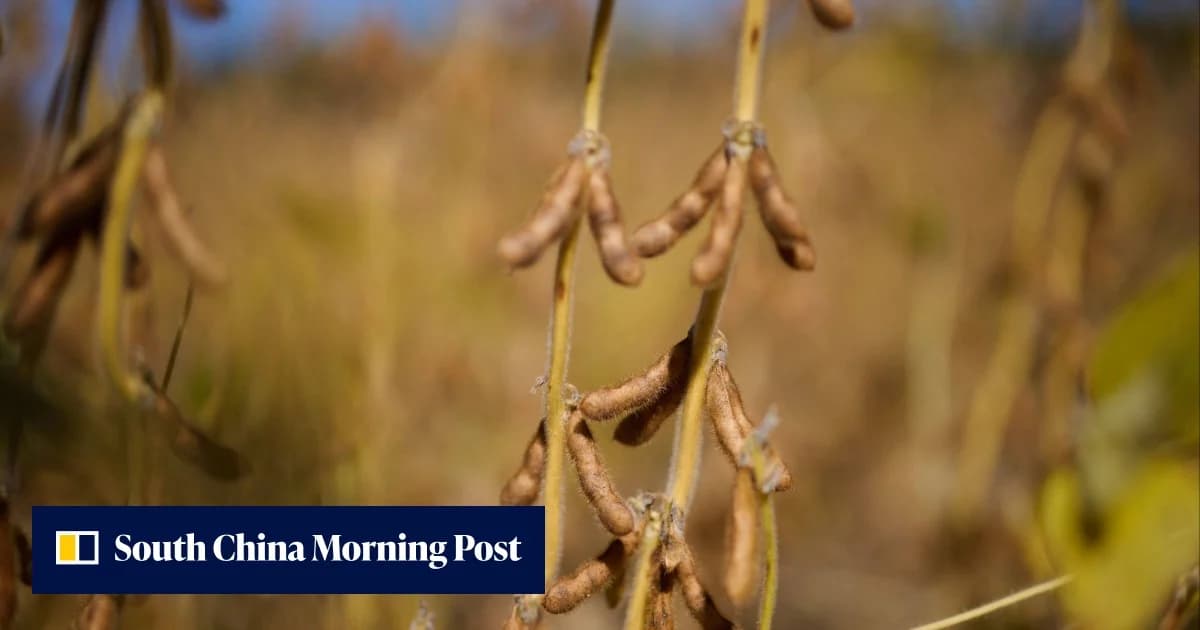
While the White House stated that China committed to purchasing at least 25 million tonnes of US soybeans annually through 2028, plus an additional US$17 billion per year in other American agricultural products (adjusted proportionally for 2026), progress has been uneven. An anonymous agricultural trader reported that only the soybean purchases are currently on track, with 70 per cent of this year’s target already met.
The trader predicted that if the current pace continues, the soybean target should be finished before the end of the year. However, the trader noted there has been little progress on the separate US$17 billion annual commitment for other products, suggesting this is "likely because [China] is also waiting for the implementation of reciprocal tariff reductions."
Additionally, the commerce ministry announced on Thursday that it would extend countervailing duties on US n-Propanol imports, an industrial material used for packaging, for another five years.