Key Takeaways
- Archaeologists have reanalyzed the remains of an Incan sacrifice victim.
- The boy died from blunt force trauma, not freezing to death as previously believed.
- This finding challenges previous theories about the methods used in Capachoca rituals.
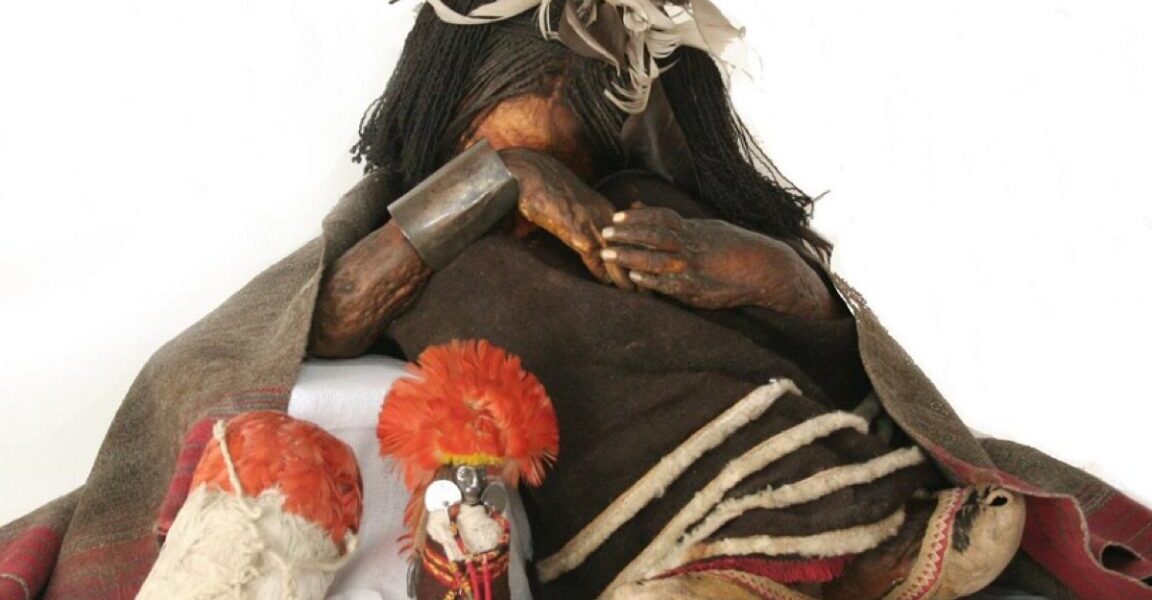
In a recent study published in the journal Science Advances, archaeologists have challenged long-held beliefs regarding the cause of death for an Incan sacrifice victim. The reanalysis of the remains has revealed that the boy died from blunt force trauma rather than freezing to death as previously thought.
The Capachoca ritual was a significant practice among the Incas, involving the sacrifice of children to the mountains in the belief they would become divine intermediaries with the gods. This often led to pilgrimages to remote sacrificial sites where various methods of sacrifice were documented by colonial accounts, including strangulation and asphyxiation.

The boy's remains had been previously analyzed, leading researchers to conclude that he died from exposure to cold temperatures, which would have caused him to freeze to death. However, the new findings suggest a different narrative about his demise.
According to the study, the team used advanced forensic techniques to examine the bones and found evidence of trauma consistent with blunt force injury. This discovery not only alters our understanding of how these sacrifices were conducted but also highlights the importance of reevaluating historical accounts through modern scientific methods.
The researchers emphasized that this reanalysis underscores the need for ongoing investigation into ancient practices, as new technologies can provide insights previously unavailable to earlier generations of archaeologists.
While the exact circumstances leading to his death remain unclear, the study provides a more nuanced understanding of Incan sacrifice rituals and challenges previous assumptions about their methods. This work contributes significantly to our knowledge of pre-Columbian cultures and the complex religious practices they employed.