Key Takeaways
- Approximately 18,000 out-of-school children have been enrolled in non-formal education.
- The National Assembly Standing Committee on Federal Education was informed about the progress.
- 26,000 out-of-school children were identified by authorities.
Approximately 18,000 out-of-school children have been enrolled in non-formal education programs as part of a national initiative to address the issue. This development was reported during a meeting of the National Assembly Standing Committee on Federal Education and Professional Training.
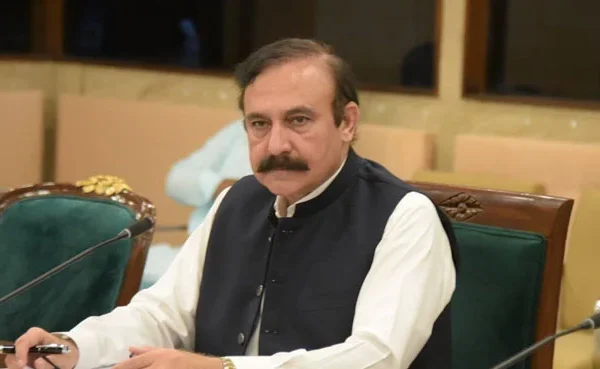
The meeting, held under the Acting Chairmanship of Mahtab Akbar Rashdi, Member National Assembly (MNA), focused on the progress made in identifying and enrolling out-of-school children into non-formal education. The committee was informed that a total of 26,000 out-of-school children have been identified so far.
According to the report, these children are now being provided with educational opportunities through non-formal channels, which include community-based learning centers and other alternative methods designed to cater to their needs.
The initiative aims to ensure that every child has access to education, regardless of their current circumstances. Non-formal education programs offer a flexible approach to learning, allowing children who may have missed formal schooling due to various reasons to catch up on their studies.
Committee members expressed satisfaction with the progress made but also highlighted the need for continued efforts and resources to ensure that all identified out-of-school children are enrolled in these programs. They emphasized the importance of monitoring and evaluating the effectiveness of these initiatives to improve outcomes for the children involved.
The non-formal education system is designed to be more accessible, accommodating children who may have faced barriers such as distance from formal schools or lack of resources at home. It provides a structured yet flexible learning environment that can help bridge the gap in their educational journey.
While significant progress has been made, there remains a challenge in reaching every child who needs education. The committee stressed the importance of community engagement and support to identify and enroll all out-of-school children into these programs.