Key Takeaways
- Private sector credit offtake has remained weak during the first quarter of the current fiscal year.
- Debt retirement by the private sector has more than doubled to Rs364.5 billion by September 11.
- Government initiatives like the Apna Ghar scheme have not significantly boosted private sector investment.
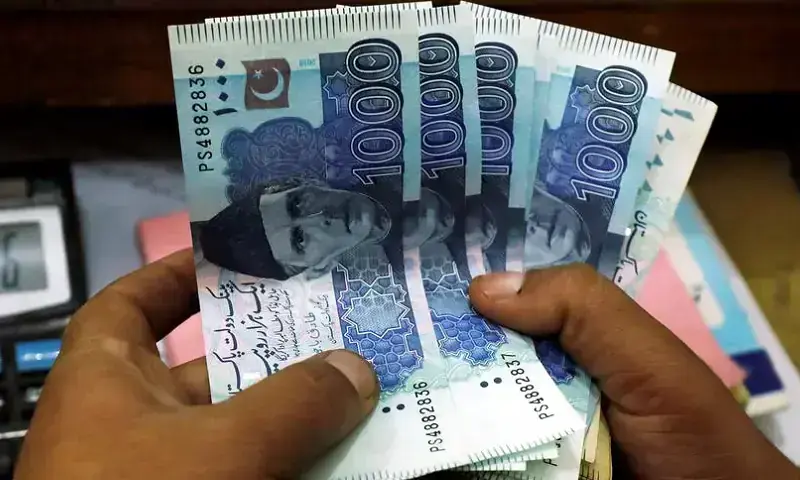
The private sector credit offtake in Pakistan has continued to be weak, according to the latest State Bank data for the first two-and-a-half months of the fiscal year. Between July 1 and September 11, total debt retirement stood at Rs364.5 billion, more than doubling from Rs170 billion in the same period last year.
Despite higher private sector borrowing in the previous fiscal year, there was little sign of long-term investment in trade and industry. The economy grew by 3.7 percent, with the Asian Development Bank (ADB) predicting a similar growth rate of 3.7 percent for the current fiscal year, indicating limited improvement compared to the previous three years.
Investors have cited high interest rates as one of the biggest hurdles for new investment. The government has launched the Apna Ghar scheme to stimulate economic activity and has urged banks to participate more actively in an effort to revive the construction industry, which supports more than 40 allied industries.
Conventional banks reported a debt retirement of Rs194 billion compared to Rs76.4 billion a year earlier, while Islamic banks recorded debt retirement of Rs165 billion against Rs139 billion last year. Islamic banking branches of conventional banks also saw a significant increase in debt retirement, amounting to Rs5.5 billion against net borrowing of Rs45 billion in the corresponding period.
While the previous fiscal year was stronger in terms of private sector credit offtake, with credit lending by conventional banks standing at Rs290.7 billion compared to Rs405 billion in the preceding year, lending by Islamic banks was Rs339 billion compared to Rs518 billion. Islamic banking branches of conventional banks extended Rs833 billion in FY26 against Rs158 billion in the preceding year.
The government's efforts to boost private sector credit have not significantly changed the trend. The prime minister has called for increased participation from banks to revive the construction industry, which has been a key sector for economic growth. However, the subdued private sector participation has kept economic growth below 4 percent over the past three years.
Following the Gulf war, land prices in Pakistan have increased, with some funds previously directed towards property purchases in Dubai now being redirected towards the domestic market. This shift has further impacted the real estate sector and overall private sector credit offtake.
The data from the State Bank highlights the ongoing challenges faced by the private sector in Pakistan, despite government initiatives. The situation remains a cause for concern as the economy continues to struggle with low investment and growth rates.