Key Takeaways
- The absurdist comedy 'The Visit' receives a mixed reception at Pasadena Playhouse.
- Jefferson Mays and Melinda Page Hamilton deliver strong performances, but the play's tone is criticized.
- Despite its flaws, the production is still worth a visit according to critics.
The Pasadena Playhouse has once again taken on the challenging task of staging 'The Visit,' a 1950s absurdist comedy that has garnered mixed reviews from critics. The play, known for its dark humor and satirical take on venal humanity, has been a staple of the American theater scene since its debut.
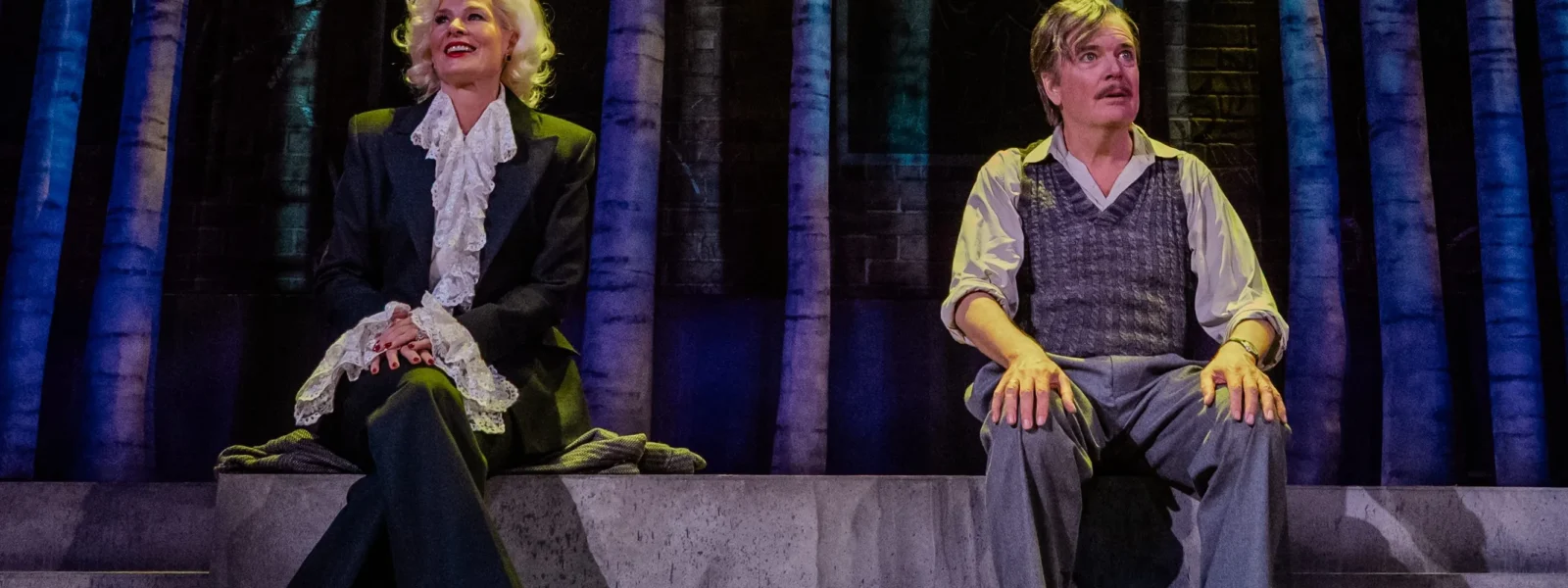
According to Variety, the production at Pasadena Playhouse, starring Tony winners Jefferson Mays and Melinda Page Hamilton, is a case in point. While the performances are praised, the overall tone of the play is deemed too smug and bleak, detracting from the intended impact.
Mays, a veteran of the stage, brings his usual gravitas to the role, while Hamilton's performance is described as 'worth the visit.' Their chemistry and skillful delivery are highlighted, providing a bright spot in an otherwise challenging production.
The play, written by Friedrich Dürrenmatt, centers around a wealthy woman who returns to her hometown to visit her impoverished family, only to leave behind a fortune that leads to a series of unexpected and darkly comic events. The script's absurdist elements and its critique of human nature are central to the narrative.
Critics argue that while the performances are commendable, the play's tone is overly pessimistic and smug, which can be off-putting for audiences. The review suggests that the play's peak-bleak view of human nature overshadows the potential for humor and insight.
Despite these criticisms, the article notes that the performances by Mays and Hamilton are a highlight of the production. Their ability to navigate the complex and often absurd dialogue is lauded, making the play a worthwhile experience for theater enthusiasts.
The Pasadena Playhouse, known for its commitment to challenging and thought-provoking productions, continues to push the boundaries of what can be staged in the venue. 'The Visit' is a testament to this commitment, even if it is not without its flaws.
For those interested in the play, the review suggests that the performances by Mays and Hamilton are a must-see, despite the overall tone of the production. The play's ability to provoke thought and discussion is a testament to its enduring relevance.