Key Takeaways
- UEFA has reaffirmed its boycott of the World Cup.
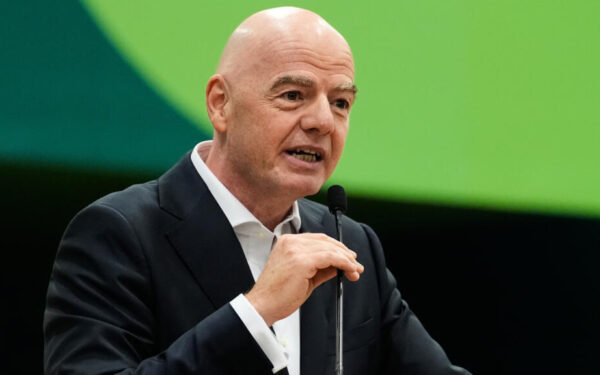
- FIFA president Gianni Infantino apologized for errors in stake sale plan.
- The incident has sparked a leadership crisis within world football.
European football's governing body, UEFA, has maintained its stance on boycotting the upcoming World Cup despite FIFA’s recent apology. The decision comes after FIFA president Gianni Infantino acknowledged 'errors' in his now-abandoned plan to sell stakes in the tournament to private investors.
The proposal, which was championed by Infantino, has led to one of the most significant governance crises FIFA has faced in years. This development has raised serious questions about the future leadership of FIFA and its ability to manage major sporting events.
UEFA's continued boycott reflects deep-seated concerns among European football authorities regarding FIFA’s management practices and transparency. The organization remains united in its opposition, emphasizing the need for a more stable and accountable governance structure within world football.
In a statement released on Thursday, UEFA reiterated its commitment to the boycott, stating that it would continue to monitor FIFA's actions closely. The organization believes that until significant reforms are implemented, maintaining the current stance is necessary to protect the integrity of European football.
FIFA’s apology came after mounting pressure from various stakeholders, including national associations and prominent players. Infantino acknowledged the 'errors' in his proposal but did not provide specific details on what exactly went wrong or how similar issues would be prevented in the future.
The crisis has also affected FIFA's reputation globally, with several high-profile figures calling for a thorough investigation into the matter. The incident highlights the delicate balance between commercial interests and governance within international sports organizations.
UEFA’s decision to stick to its boycott sends a strong message to FIFA that it must address these issues head-on. The organization is expected to continue engaging in dialogue with FIFA to find common ground and ensure that future events are managed more effectively.
The leadership crisis has not only impacted FIFA but also the broader landscape of world football, raising questions about the future direction of the sport under Infantino’s presidency.