Key Takeaways
- Speakers at a regional symposium called for the adoption of Space4Climate services.
- The event showcased indigenous space-based capabilities for climate monitoring.
- Participants discussed using satellite data to address environmental challenges.
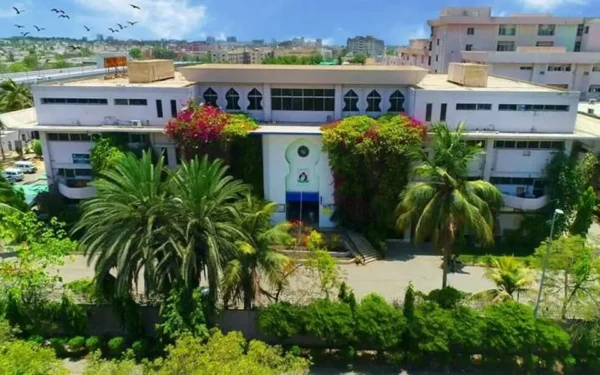
Experts from various sectors have urged the institutional adaptation of Space4Climate services during a regional symposium in Peshawar. The symposium, hosted by Pakistan Space & Upper Atmosphere Research Commission (SUPARCO) through its Space Applications Centre for Climate Sciences (SACCS), brought together senior government officials, policymakers, scientists, and environmental experts to discuss the application of space technologies for climate resilience.
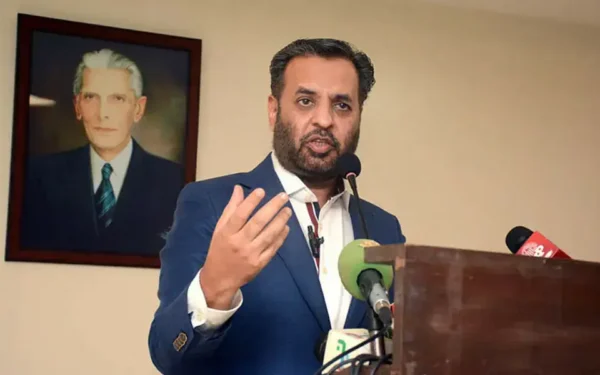
Dr Mohammad Farooq, Deputy Director General of SACCS, Secretary Aftab Ahmad Khan Lughmani of SUPARCO, and Talha Hussain Faisal, Senior Secretary of Climate Change, Forestry, Environment and Wildlife Department KP, were among the speakers who highlighted the importance of integrating space-based climate intelligence into national and provincial institutions.
The symposium marked the first event in SUPARCO’s seven-city National and Provincial Symposium Series under the Space4Climate Initiative. The initiative aims to raise awareness about climate change impacts through collaboration between scientific and government organizations, capacity building in geospatial technologies, and continued development of operational climate information services.
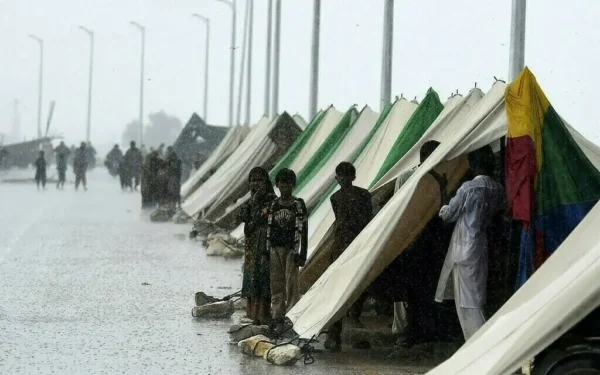
Participants discussed emerging climate risks facing Khyber Pakhtunkhwa, including floods, glacial lake outburst floods (GLOFs), droughts, heatwaves, deforestation, deteriorating air quality, and changing water resources. The symposium emphasized the critical role of Earth observation technologies in addressing these challenges.
A major highlight was the presentation of SUPARCO’s Space4Climate initiative and a live demonstration of the Space4Climate Geospatial Portals. These portals integrate data from Pakistan’s satellite assets to provide near real-time information on greenhouse gases, air quality, glaciers, forests, snow cover, waterways, land cover, coastal ecosystems, and other critical environmental indicators.
Technical sessions covered key thematic areas such as climate vulnerability assessment for Khyber Pakhtunkhwa, flood hazard mapping using optical and Synthetic Aperture Radar (SAR) satellite data, forest cover change detection and protected area monitoring, glacier and GLOF monitoring, and satellite-based air quality and environmental assessment. These presentations demonstrated the growing role of indigenous space technologies in delivering operational solutions for climate adaptation, disaster risk reduction, and sustainable resource management.
An interactive panel discussion on ‘Institutionalizing Space-Based Climate Services for Provincial Climate Governance’ highlighted the importance of strengthening inter-agency coordination, expanding access to geospatial information, and mainstreaming satellite-derived climate services into planning, disaster preparedness, natural resource management, and environmental governance.
The symposium reflects SUPARCO’s continued commitment to harnessing space science and technology for peaceful applications that contribute to national development, climate resilience, environmental sustainability, and Pakistan’s commitments under the Sustainable Development Goals (SDGs), the Paris Agreement, and the Sendai Framework for Disaster Risk Reduction.