Key Takeaways
- The US has attacked Iran for the eleventh consecutive night.
- Iran retaliated by launching strikes on US air bases and Gulf states.
- Vessels carrying oil, gas, and fertiliser remain at a standstill in the strait of Hormuz.
The United States has intensified its military operations against Iran for the eleventh consecutive night, targeting aircraft hangars and drone storage sites across the country. In response, Iran launched retaliatory strikes on US air bases and neighboring Gulf states, accusing it of deliberately targeting desalination plants essential to life in the region.
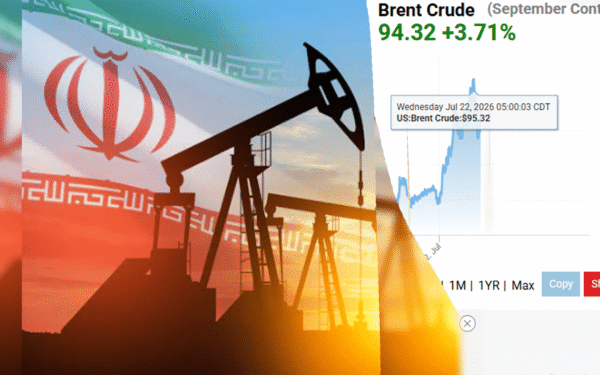
This ongoing conflict is causing significant disruptions, with vessels carrying crucial shipments of oil, gas, and fertiliser remaining at a standstill in the strait of Hormuz. The strait, through which 20% of the world’s oil was previously shipped before the war began, now faces severe operational challenges.
The economic impact is already being felt globally. Vessels are unable to navigate safely due to heightened tensions and potential military action, leading to delays in critical supplies. This situation has sent shockwaves through international markets, with concerns over supply chain disruptions and increased costs for consumers worldwide.
In the UK, Andy Burnham, newly appointed as Prime Minister, is under mounting pressure to address a cost of living crisis. He implored his new cabinet to examine all possible ways to tackle this issue, highlighting the broader economic implications of global conflicts on domestic policy.
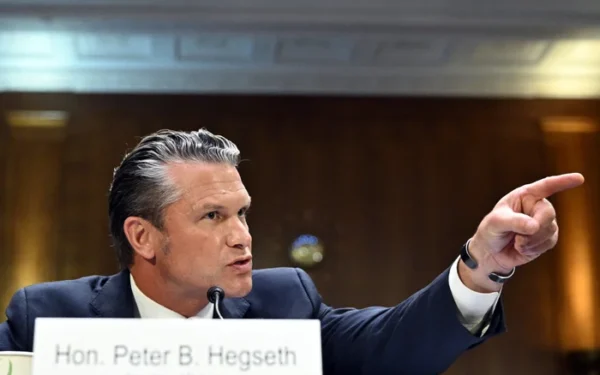
Meanwhile, in the Middle East, US Defense Secretary Pete Hegseth told the Senate that the ongoing conflict with Iran has already cost $37.5 billion, as lawmakers express frustration over the soaring price tag and recent deaths of three American service members.
The situation remains volatile, with no clear resolution in sight. Both sides claim to be preventing the other from gaining control over the strait of Hormuz, a critical maritime passage for global trade. The international community watches closely as tensions continue to escalate.
As the conflict drags on, the economic and political ramifications are far-reaching. Countries around the world are grappling with potential supply chain disruptions, increased energy prices, and broader geopolitical shifts.