Key Takeaways
- Yemen's Houthis announced a maritime blockade against Saudi Arabia.
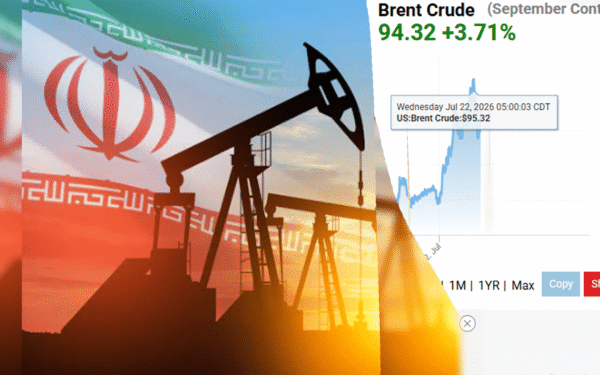
- This move could disrupt global oil markets, following Iran's closure of the Strait of Hormuz.
- The Red Sea has become an alternative route for Gulf oil exports.
Yemen’s Houthis have threatened to impose a maritime blockade on Saudi Arabia, raising concerns about potential disruptions in global energy supplies. This move comes as Iran's partial closure of the Strait of Hormuz continues to impact oil and other product exports from the Gulf region.
The announcement was made by the Houthis on Monday, adding another layer of complexity to an already strained international energy market. The group has not specified how they would carry out this blockade or whether it will include attacks on shipping in the Red Sea.
Yemen sits strategically at the Bab el-Mandeb strait, which is the southern gateway to the Red Sea. Closing this route could open a new front in the ongoing energy crisis and exacerbate tensions between Iran and the United States.
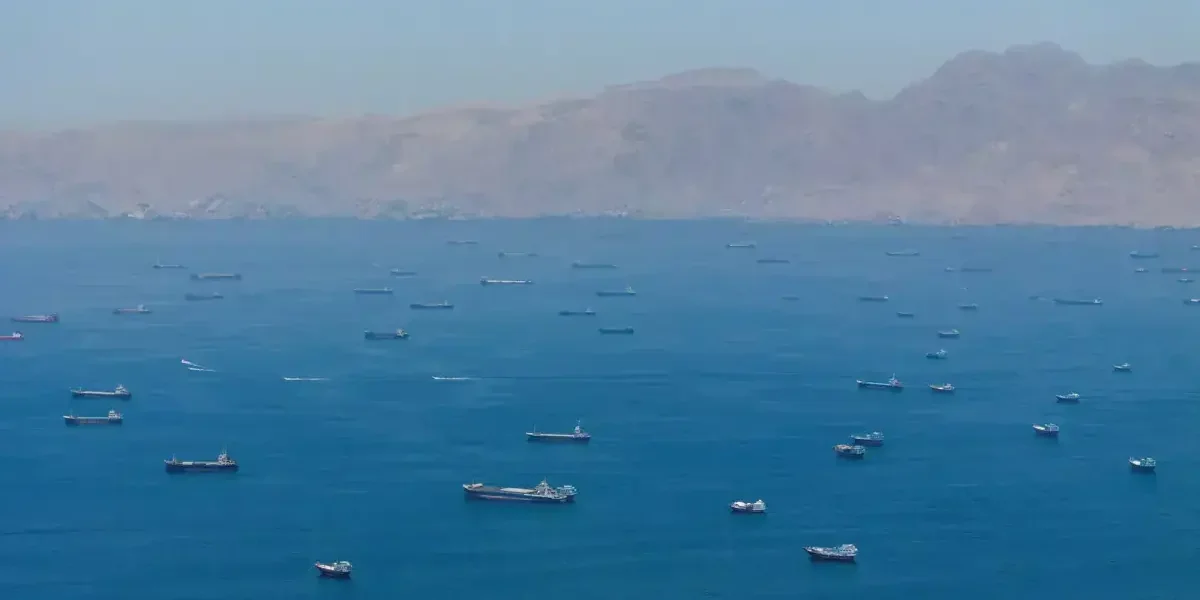
The Strait of Hormuz, which has been partially blocked by Iran since February 28 following attacks by Israel and the U.S., currently disrupts most oil and other exports from the Gulf. Saudi Arabia responded by diverting over 70% of its normal daily crude exports to the Red Sea port of Yanbu.
Ships bound for Europe from Yanbu travel north through the Suez Canal, while those heading to Asia go south through Bab el-Mandeb. Recent data shows that shipments from Yanbu averaged around 4 million barrels per day in recent weeks, up significantly from about 973,000 bpd a year earlier.
Total petroleum volumes transiting Bab el-Mandeb reached approximately 7.4 million barrels per day in June, accounting for roughly 7% of global oil output, according to Kpler data. This route has provided crucial support to the energy market, helping to keep down global oil prices.
Saudi Arabia is considering expanding its crude oil pipeline to the Red Sea coast as a potential response to these ongoing threats. The country responded to Houthi attacks on Red Sea shipping in November 2023 by maintaining free flow of Gulf oil exports.
The Houthis, who emerged as a military, political and religious movement in north Yemen in the 1990s, have been engaged in a civil war against the Saudi-backed, internationally recognised government for over a decade. They have attacked Gulf neighbours with missiles and drones but had largely adhered to a truce until recently.
In response to what they claim was an Israeli strike on Sanaa airport, Yemen’s internationally recognised government struck Abha airport in the kingdom's mountainous southwest. A senior Houthi official, politburo member Mohammad al-Farah, warned that if the situation escalated further, the group might take action against Red Sea shipping.