Key Takeaways
- FIFA will present championship rings to the winners of the upcoming World Cup final.
- The customised rings, inspired by North American sports traditions, will be presented after the match.
- Fans can purchase limited edition rings as officially licensed products.
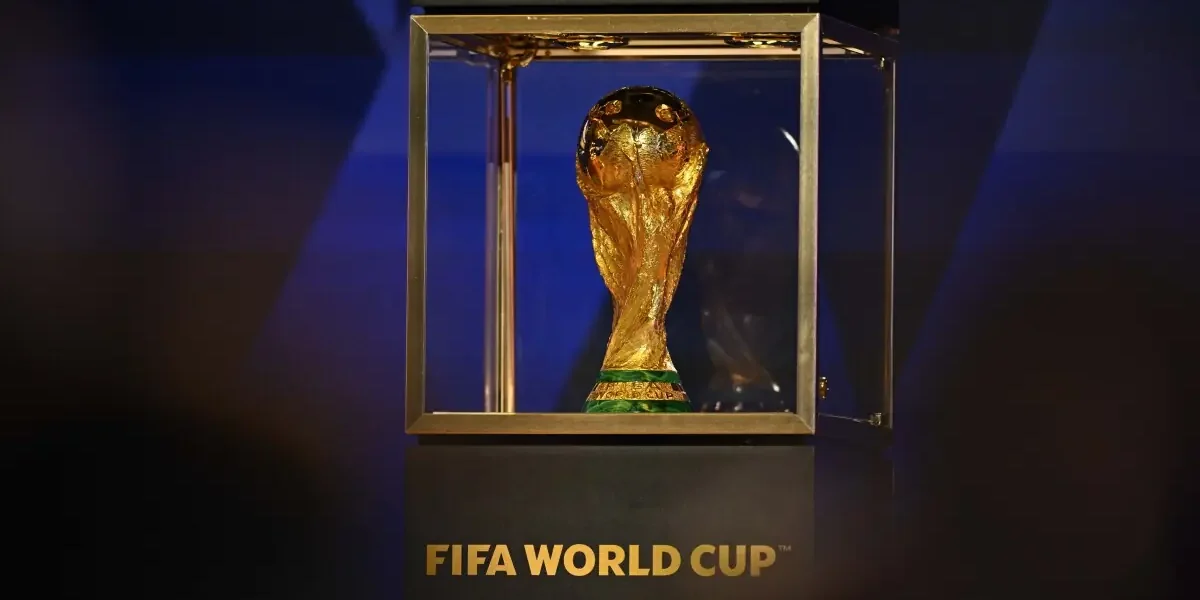
The winners of Sunday’s FIFA World Cup final between Spain and Argentina will receive championship rings in addition to the trophy and gold medals. This move marks a significant departure from traditional FIFA practices, aligning with American sports traditions.
According to FIFA, 30 bespoke rings will be presented to the winning team following the match at New York New Jersey Stadium. The captain and head coach will initially receive temporary versions immediately after the game, which will then be customised to reflect the identity of the champions before a later presentation ceremony.
The rings are part of a limited edition of 2,026 individually numbered pieces, with the remaining 1,996 made available for sale as officially licensed products. One side of each ring features the World Cup trophy, while the other carries details specific to the champions.
This introduction of championship rings comes amid FIFA’s ongoing efforts to Americanise its flagship tournament. The governing body has already implemented several changes, including a major halftime entertainment show and mandatory hydration breaks throughout the competition. These measures have been defended by FIFA as player-welfare initiatives but have faced criticism from players, coaches, and fans.
The hydration breaks, applied regardless of weather conditions, have effectively divided matches into quarters, with three-minute pauses around the 22nd and 67th minutes. FIFA has maintained that these breaks are necessary for player welfare, despite concerns they disrupt match flow and provide teams additional tactical opportunities.
While the introduction of championship rings is a new development, it follows a pattern of changes aimed at modernising the World Cup experience. The rings represent a significant departure from traditional practices, reflecting FIFA’s increasing willingness to reshape the tournament in line with American sports traditions.
The decision to introduce championship rings has been met with mixed reactions. Some argue that such gestures enhance the prestige and recognition of the winners, while others contend that they disrupt the natural flow of the game and commercialise an event meant for sporting excellence.