Key Takeaways
- Chinese government expresses strong dissatisfaction with UK's decision to nationalise British Steel.
- The move is seen as a severe blow to Chinese companies' confidence in investing in the UK.
- British Steel was taken into public ownership to safeguard vital national capabilities, according to the UK government.
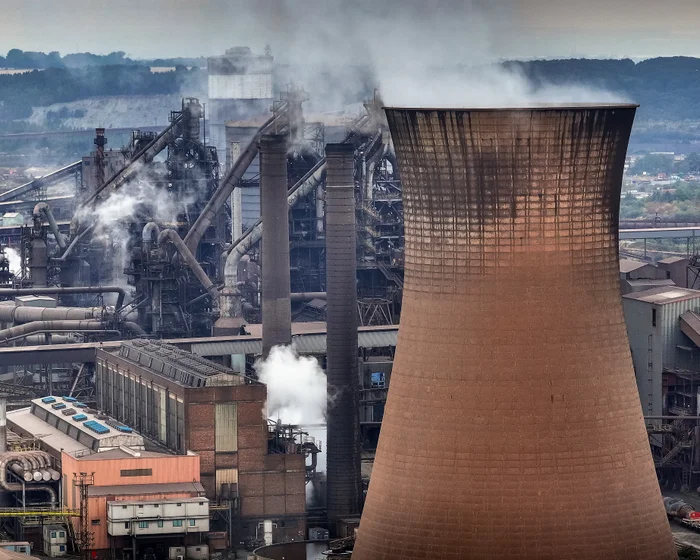
China has expressed strong dissatisfaction with the decision by the UK government to nationalise British Steel, a move that has raised concerns among Chinese officials about future investment opportunities in the United Kingdom.
In a statement issued on Thursday, China's Ministry of Commerce stated that the nationalisation of British Steel dealt 'a severe blow to Chinese companies' confidence in investing in the UK'. This comes just 15 months after the UK government intervened to prevent the closure of steelworks in Scunthorpe and save over 4,000 jobs.
The UK government announced on Thursday that it would bring British Steel under public ownership to protect 'the future of steel production' in the country. In a statement, the Ministry of Defence said taking the firm into public hands was necessary to safeguard 'a vital national capability'.
Chinese officials have been closely monitoring the situation, with one official stating: 'We are concerned about the implications this decision may have on our business interests and future collaborations.' The UK's move is seen as a significant shift in industrial policy that could impact cross-border investments.
The nationalisation of British Steel follows a series of measures taken by the UK government to support the steel industry, including financial assistance and regulatory changes. However, these efforts have not been enough to prevent the company from falling into financial distress.
British Steel's parent company, Liberty House Group, had announced its intention to sell the business in 2025 but faced challenges due to ongoing market conditions and operational issues. The UK government stepped in with a £1 billion rescue package to keep the firm afloat until it could be sold or nationalised.
The decision has sparked debates within the UK about the role of public ownership in key industries, particularly in light of global economic pressures. Critics argue that such moves could stifle private sector innovation and investment.
'We are concerned about the implications this decision may have on our business interests and future collaborations.'
Chinese official, Ministry of Commerce