Key Takeaways
- Total solar eclipses offer scientists unique and accessible opportunities to study the sun's corona.
- The upcoming eclipse on August 12, 2024, will see researchers travel to eastern Greenland, western Iceland, and northern Spain.
- Citizen CATE experiment will create a timelapse of the corona during the 2026 eclipse.
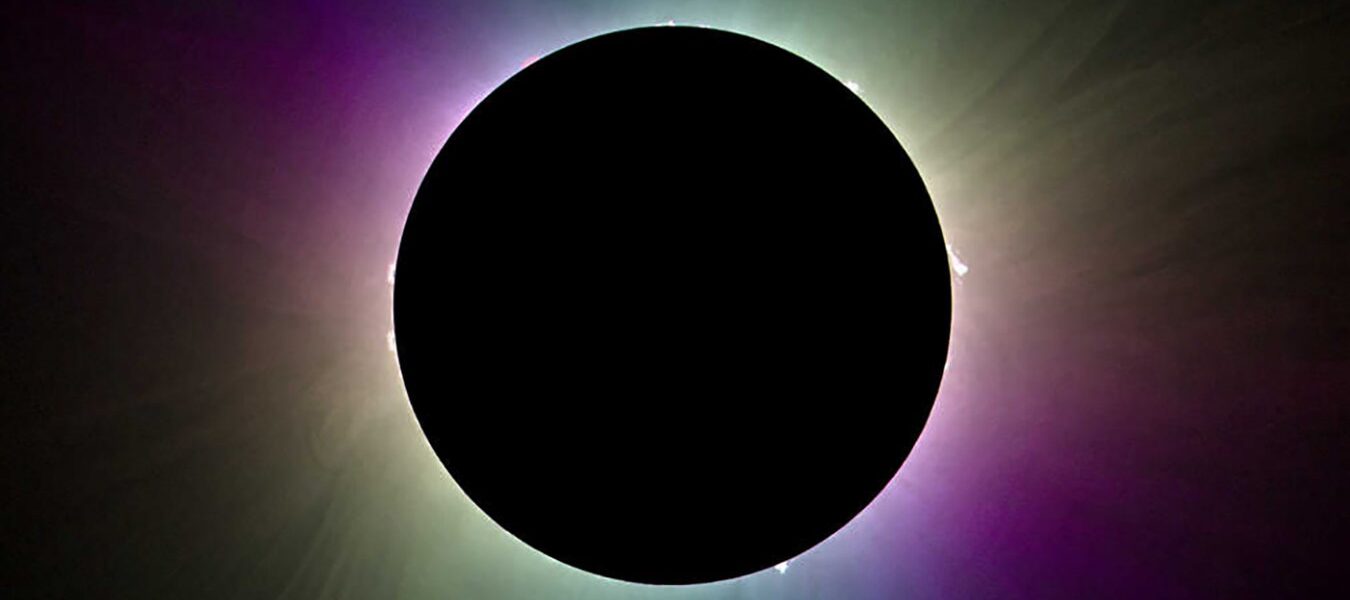
The upcoming total solar eclipse on August 12, 2024, is set to captivate scientists and astronomy enthusiasts alike. This celestial event, visible in eastern Greenland, western Iceland, and northern Spain, will provide researchers with a unique opportunity to study the sun's corona, the outermost layer of its atmosphere that remains hidden during regular observations.
Ryan French, a solar physicist at the Laboratory for Atmospheric and Space Physics in Boulder, Colorado, explains why total eclipses are still valuable: 'Research groups that have novel ideas can go to an eclipse and take observations without having to bid for tens of millions of pounds' worth of grants from NASA or the European Space Agency – the barrier to entry is much lower.'

One such project is the Nationwide Eclipse Ballooning Project, which will send teams from several US universities to Spain and Iceland. In Spain, balloons will reach an altitude of 27 to 37 kilometers, carrying cameras, ozone instruments, and radio experiments. Icelandic teams will launch radiosondes to monitor pressure, temperature, humidity, and other atmospheric parameters.
The goal is to measure the effects the eclipse has on the planetary boundary layer, the lowest region of Earth's atmosphere where its behavior is most influenced by warm air rising from the ground. NASA’s WB-57 high-altitude aircraft will also be used during the 2026 eclipse to observe polarised coronal light at high altitudes.

During the 2024 total solar eclipse, Citizen CATE – an experiment funded by the US National Science Foundation and NASA – used telescopes spread along the path of totality to create a one-hour timelapse of the corona. This will be repeated during the 2026 eclipse, with plans for an even more extensive study using the North African Telescope Eclipse experiment in August 2027.
The longer duration of totality in 2027 is due to the new moon being closer to Earth and the path of totality aligning closely with the equator. This will provide researchers with a unique opportunity to observe the corona for an extended period, offering valuable insights into solar phenomena.
Research groups that have novel ideas can go to an eclipse and take observations without having to bid for tens of millions of pounds' worth of grants from NASA or the European Space Agency – the barrier to entry is much lower.
Ryan French, Solar physicist at the Laboratory for Atmospheric and Space Physics in Boulder, Colorado