Key Takeaways
- Denmark plans to extend a ban on full-face coverings to classrooms.
- The move aims to improve integration and address 'negative social control'.
- Critics question the necessity given low usage of burqas among students.
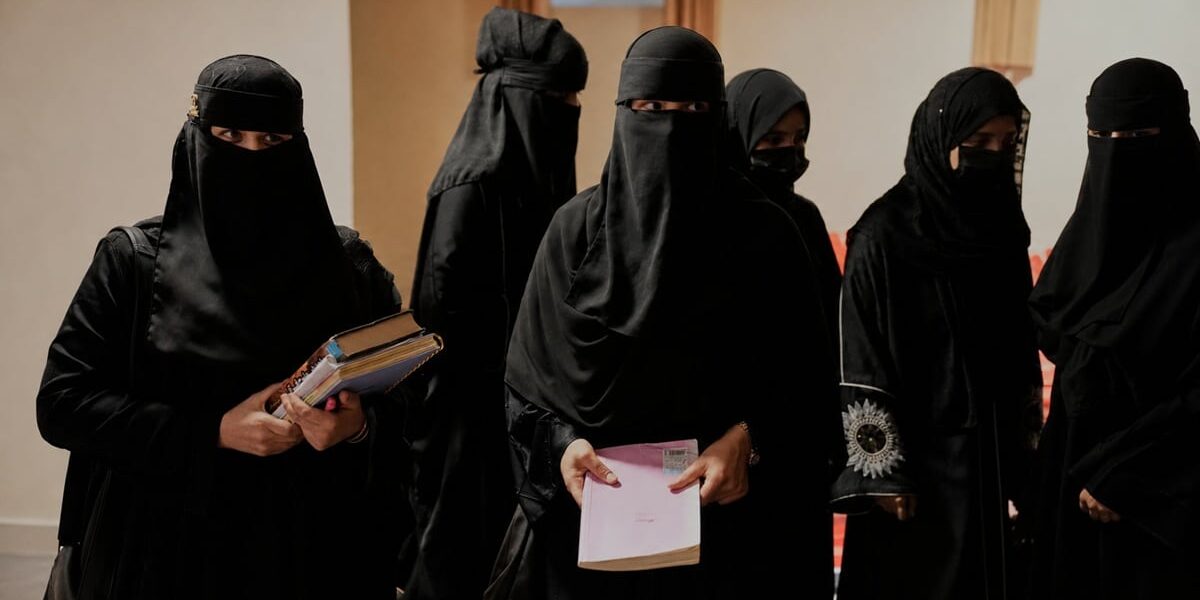
Denmark is set to expand its existing ban on full-face coverings, including burqas and niqabs, from public spaces to schools and universities. This decision comes as part of a broader campaign against 'parallel societies'—urban areas predominantly inhabited by non-Western immigrants. The proposed legislation would apply across the country’s educational institutions.
According to Berlingske, a center-right newspaper in Denmark, the government plans to present several legislative proposals that were not adopted before the recent election. These include measures aimed at addressing 'negative social control' and strengthening actions against parallel societies. Prime Minister Mette Frederiksen's left-leaning administration has stated that this ban is intended to enhance integration efforts.
The Danish immigration ministry confirmed the proposal, stating, “The government will present a number of legislative proposals that were not adopted before the election,” adding that these would include stronger measures against parallel societies and negative social control. The existing ban on full-face coverings in public spaces has been in place since 2018, with repeat offenders facing fines up to 10,000 Danish kroner, or approximately £1,300.
However, critics argue that the need for such a ban is questionable. Berlingske reported that very few students currently wear burqas in Danish schools or universities, suggesting that the policy might be more about political signaling than addressing a widespread issue. The move has sparked debate among policymakers and the public regarding the balance between cultural respect and integration policies.
Denmark already maintains some of Europe's strictest immigration and asylum policies, making migration a significant concern for both center-left and right-wing parties. This proposed ban is seen as part of a broader strategy to address social cohesion issues in urban areas with high immigrant populations.
While the government emphasizes the importance of integration, critics point out that such measures could be perceived as discriminatory against religious minorities. The debate highlights the complex interplay between cultural values and state policies in managing diversity within a multicultural society.