Key Takeaways
- Iran launched new attacks on American military bases in Bahrain and Kuwait.
- US forces conducted another night of airstrikes, targeting Iranian military sites.
- The conflict has halted shipping through the Strait of Hormuz, affecting global energy prices.
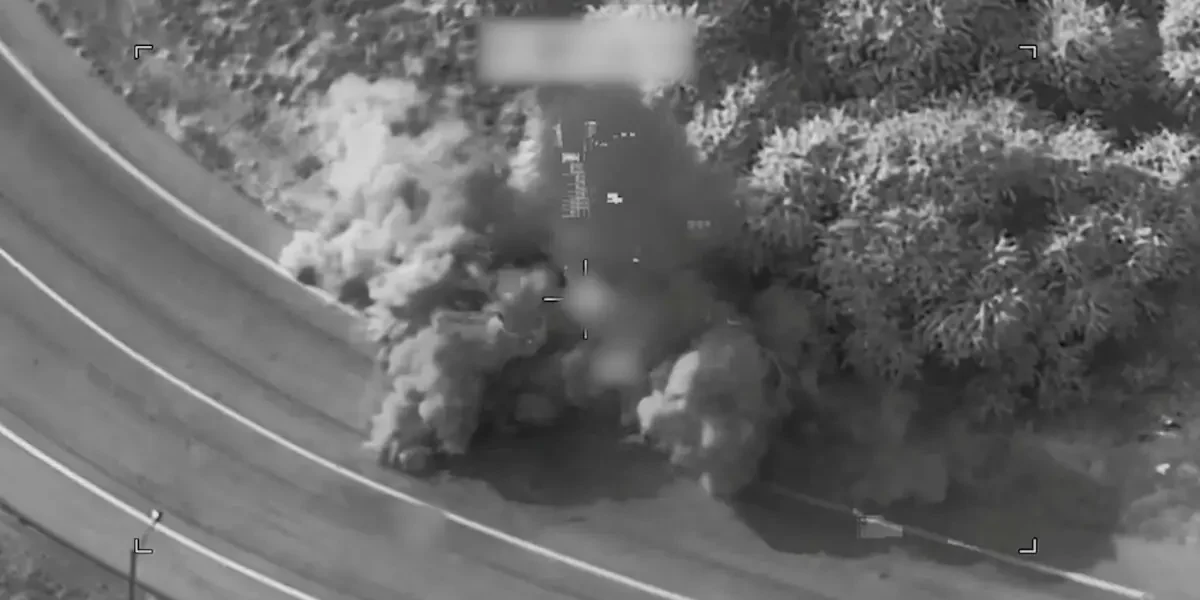
Iran announced fresh attacks on US facilities in the Gulf region following a sixth consecutive night of American strikes. The US Central Command confirmed that its forces, including fighter jets and warships, launched precision munitions against Iranian military targets such as coastal surveillance sites and air defense systems.
In response to ongoing tensions, Iran has fired missiles and drones at US bases in neighboring states, including an air base in Jordan. On Friday morning, the country reported attacks on facilities in Bahrain and Kuwait, with several explosions heard in Doha, resulting in a child injury from shrapnel.
The escalation of hostilities has led to a significant disruption in shipping through the Strait of Hormuz, a critical maritime route for global oil and gas transportation. The US and Iran have resumed their blockades on each other's ports, with Washington warning that it will ensure Iran faces consequences for any further attacks.
Iranian media reported damage to five bridges and the train station in Bandar Khamir, as well as Iranshahr Airport in southeastern Iran. State news agency IRNA stated that seven people were killed during US strikes on bridges in Bandar Khamir, a port city in southern Iran.
The conflict has not only affected maritime traffic but also raised concerns about potential further escalation. Tehran has signaled it could pressure the Houthi rebels in Yemen to close another key strait: the Bab al-Mandeb at the mouth of the Red Sea, if Washington continues its attacks on Iranian infrastructure.
Karoline Leavitt, White House press secretary, stated that President Donald Trump would not allow “active acts of terrorism” in the Strait of Hormuz without ensuring Iran faces consequences. However, she added that the president remains open to diplomacy.
Iranian Army spokesperson Brigadier General Mohammad Akraminia emphasized that Iran could strike the strait from anywhere on its territory, dismissing US efforts to cripple Iranian control over it through airstrikes along the coast.
The situation has raised fears of a broader conflict in the region. While both sides have expressed openness to diplomacy, the ongoing attacks and blockades suggest a continued tense standoff.