Key Takeaways
- Apple has filed a lawsuit against AI startup OpenAI, accusing it of stealing confidential information.
- The lawsuit claims that Apple employees were asked to bring unreleased product samples during job interviews with OpenAI.
- Key accused individuals include former Apple executive Tang Tan.
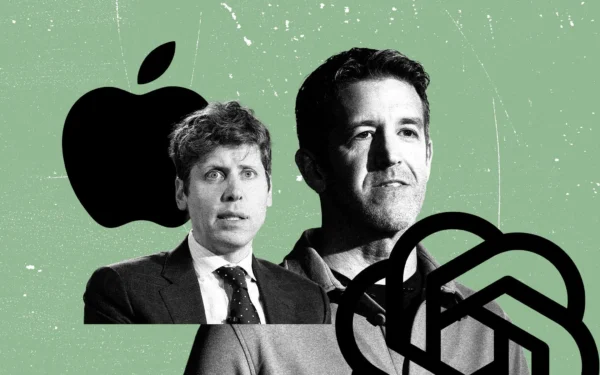
Apple Inc. has filed a lawsuit against artificial intelligence (AI) startup, OpenAI, alleging the company engaged in espionage and theft of confidential documents and hardware prototypes. According to the lawsuit, during job interviews for positions at OpenAI, Apple employees were asked to bring components they were working on and unreleased product samples.
The case centers around the actions of three individuals, with a particular focus on Tang Tan, who served as the vice president of the Apple Watch until recently. The lawsuit claims that these actions violated non-disclosure agreements and proprietary information protocols established by Apple.
Apple's legal team has accused OpenAI of not only stealing confidential documents but also of conducting surveillance on hardware prototypes. Furthermore, it is alleged that one of Apple’s trusted partners was coerced into performing a proprietary product design technique without proper authorization or compensation.
Tang Tan, who left his position at Apple in 2024 to work with OpenAI, is named as a key figure in the lawsuit. His departure and subsequent involvement with OpenAI have raised significant concerns within Apple's management regarding potential breaches of confidentiality and proprietary information.
The legal battle between these two tech giants highlights the ongoing tensions in the AI industry, where companies are increasingly wary of talent poaching and intellectual property theft. The lawsuit underscores the importance of maintaining strict controls over sensitive data and the need for robust non-disclosure agreements to protect corporate interests.
Apple's decision to take legal action against OpenAI is a clear indication of its commitment to safeguarding proprietary information and ensuring fair competition in the tech sector. This move could have far-reaching implications, potentially setting precedents for how companies handle such sensitive matters in the future.