Key Takeaways
- The US and Iran have intensified military operations in the Gulf, despite signing a memorandum of understanding (MoU).
- Both sides are using precision strikes and anti-ship missiles, reducing vessel traffic through the Strait of Hormuz.
- Key issues remain unresolved, particularly regarding navigation rules for the Strait of Hormuz.
Less than a month after signing a memorandum of understanding (MoU) that temporarily halted hostilities between the United States and Iran, both nations have resumed intense military operations in the Gulf. The MoU was intended to provide a ceasefire but has failed to resolve deeper geopolitical tensions.
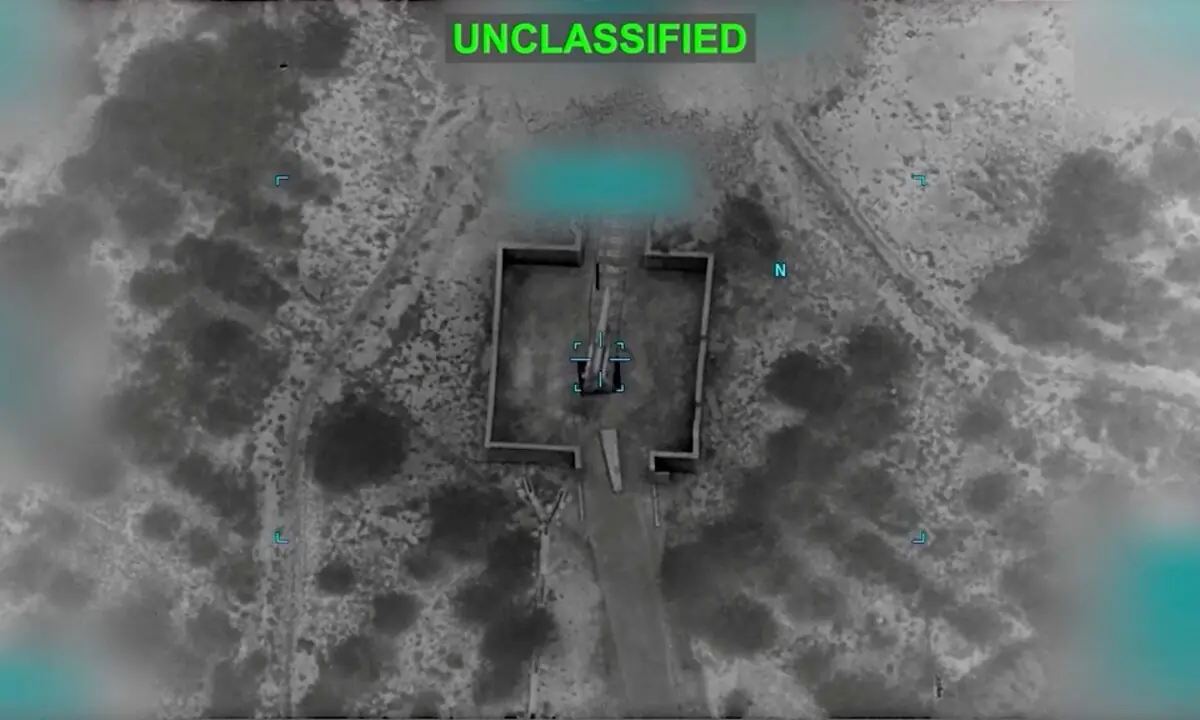
On July 11, 2026, the US launched precision strikes against Iranian military and petrochemical infrastructure, including facilities in Khuzestan province and sites around Bandar Abbas, Qeshm Island, and Bushehr. This marked the first use of sea drones by US Central Command to degrade Iran’s air defence and missile capabilities.
In response, Iran launched ballistic missile strikes against facilities linked to US military presence in Bahrain, Kuwait, and Jordan. Simultaneously, Iranian forces intensified anti-ship missile activity and continued to interfere with commercial shipping in the Strait of Hormuz, reducing vessel traffic through the waterway to single digits.
These developments highlight that the MoU was never designed to resolve the underlying dispute but merely provided a temporary ceasefire. The latest escalation underscores the unfinished nature of diplomatic efforts between the two nations.
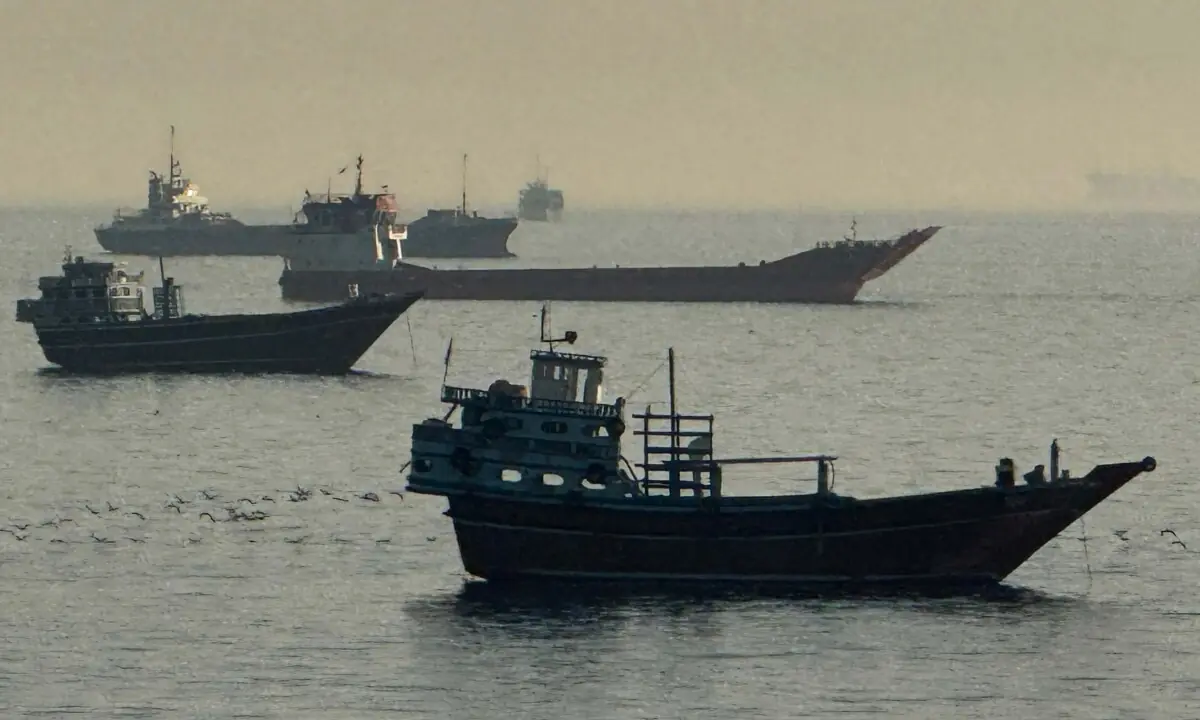
One of the unresolved issues is the determination of navigation rules for the Strait of Hormuz, which serves as the main maritime gateway for energy exports from the Gulf to international markets. The fifth clause of the MoU states that Iran would use its best efforts to ensure safe passage of commercial vessels for an initial 60-day period and commit to restoring normal traffic after removing military and technical obstacles.
However, a more significant issue lies in Clause 5, which stipulates that Iran will conduct dialogue with Oman “to define the future administration and maritime services in the Strait of Hormuz, in discussions with other Persian Gulf littoral states, in line with applicable international law and the sovereign rights of coastal states of the Strait of Hormuz.”
The ongoing confrontation has raised concerns about who will ultimately control the Strait of Hormuz. The reduction in vessel traffic through the waterway is exacerbating economic tensions and geopolitical instability in the region.
Both sides have emphasized their commitment to maintaining dialogue, but the current military actions suggest a lack of progress on substantive issues. The MoU’s failure to address these core concerns has left both nations at an impasse, with no clear path forward for resolving the dispute.