Key Takeaways
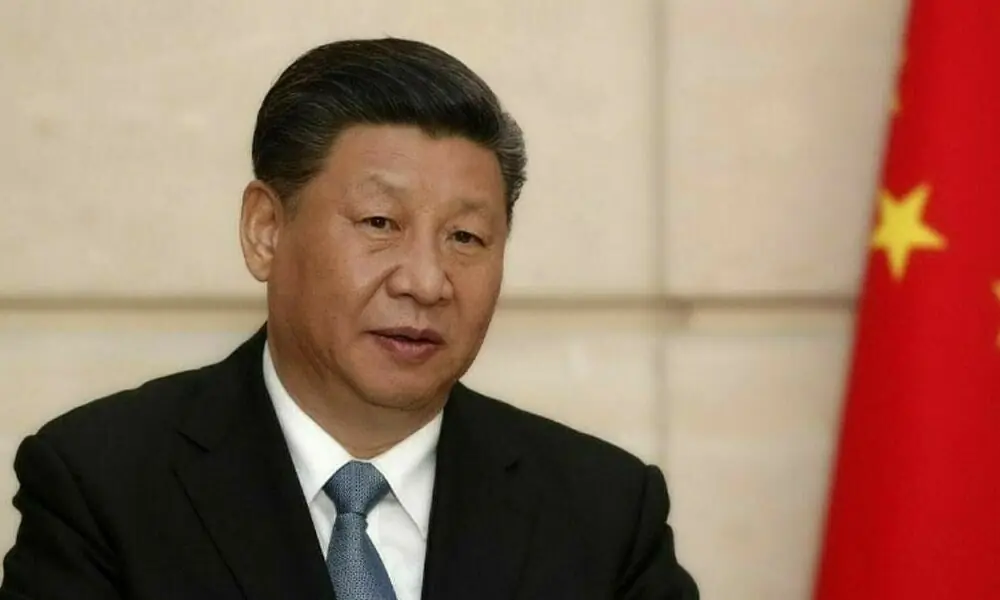
- Chinese President Xi Jinping unveils new initiatives for the ‘Greater BRICS’ grouping.
- Proposals include an AI Open Source Zone and a BRICS Special Economic Zone.
- The aim is to strengthen cooperation among emerging economies and enhance global influence.
Chinese President Xi Jinping has unveiled a series of initiatives aimed at deepening economic ties among the ‘Greater BRICS’ grouping of emerging economies. At the recent summit in New Delhi, India, Xi proposed the establishment of a BRICS AI Open Source Zone, which would promote cooperation on large language models and an open AI ecosystem.
In addition, Xi suggested a BRICS Special Economic Zone partnership and announced that China would host a BRICS Service Trade Forum next year to boost trade and investment ties. These moves are part of a broader strategy to lay a solid foundation for pragmatic cooperation among the member countries.
The ‘Greater BRICS’ grouping includes the original members of Brazil, Russia, India, China, and South Africa, as well as additional countries such as Iran, Indonesia, Egypt, Ethiopia, and the United Arab Emirates. The expanded role of this bloc is seen as a way to create a fairer world order and enhance the global influence of the Global South.
During the summit, Russian President Vladimir Putin called BRICS a powerful driving force towards creating a new, fairer and multipolar world order. He urged members to find ways to combine the competitive advantages of their individual economies.
The summit also addressed ongoing tensions in the Gulf region, with the leaders managing to forge a joint declaration expressing deep concern over the continued escalation of tension in the Middle East and urging the exercise of maximum restraint.
Indian Prime Minister Narendra Modi highlighted the importance of making the benefits of solutions developed within BRICS adaptable and accessible to meet the needs of the Global South.
Separately, Iranian President Masoud Pezeshkian met the Crown Prince of Abu Dhabi on the sidelines, discussing issues ranging from de-escalation and stability to efforts to advance regional peace and development.
These developments underscore the growing importance of the ‘Greater BRICS’ grouping in shaping global economic and political landscapes.