Under Secretary-General for Humanitarian Affairs Tom Fletcher arrived in Yemen on Wednesday to warn that the ongoing war is preventing families from accessing essential food and medicine. Mr. Fletcher stressed that "Millions are hungry" across the country, particularly in Taiz City, as the nation is "being pushed deeper into crisis" due to years of conflict.
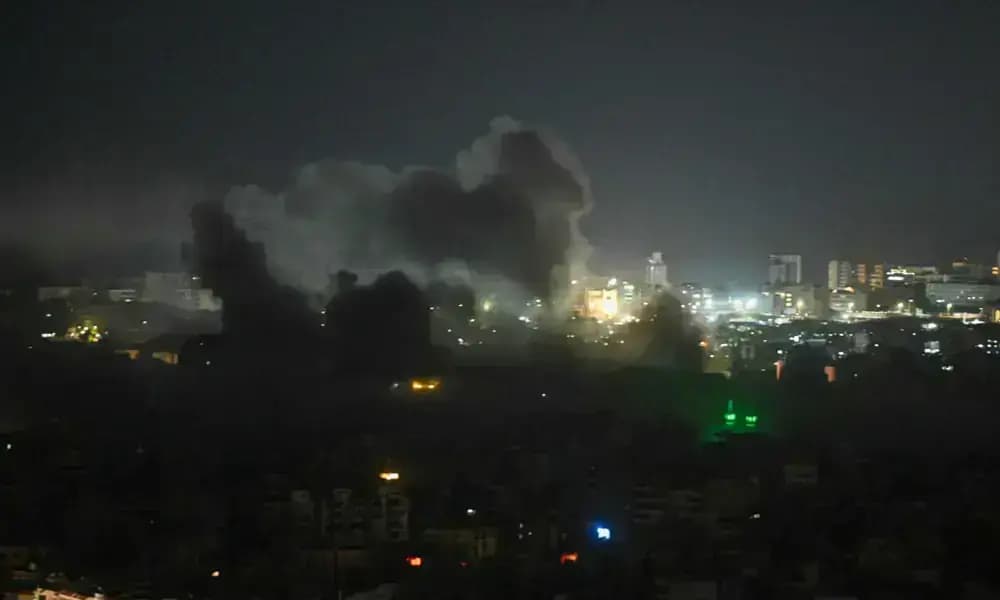
The conflict involves fighting between Saudi-backed Government forces based in Aden and Iran-backed Houthi rebels who have occupied the capital, Sana’a, for years. Fletcher stated that "Hospitals and first responders are under attack. Fighting, insecurity and heavy restrictions along key supply routes are preventing families from accessing the food and medicine they need to survive."
In a statement, Mr. Fletcher said his mission is to push for urgent aid access to civilians, including approximately 364,000 people who have fled their homes since August and "tens of thousands this past week alone." He warned that severe underfunding has driven the international response to a breaking point and expressed solidarity with teams working in dangerous conditions.
Fletcher insisted that the global humanitarian effort remains "overstretched, underfunded and under attack," but noted that the response in Yemen is "furthest off track" as teams try to reach 87 million people with lifesaving support this year. He stated that immediate priorities include safe and sustained access to civilians, "with Taiz a particularly urgent priority." He added, "I will urge the international community to step up its support to our work."
Fletcher also issued a direct message to Houthi forces, urging them to "immediately and unconditionally release our detained UN colleagues and other humanitarians. Our work and our people must be protected."
The demand follows reports from last month that a Yemeni UN human rights employee died while being held by the Houthis for more than two years. UN High Commissioner Volker Türk condemned this at the time, noting the family of Mohammad el Shami only learned of his death weeks after it occurred. As of mid-October, 71 UN personnel remained in Houthi detention. In June, the Secretary-General’s office reported that one UN colleague had already died while being held. During a briefing to the Security Council on 9 October, UN Special Envoy Hans Grundberg stated that many detainees have serious health problems, making their release urgent.