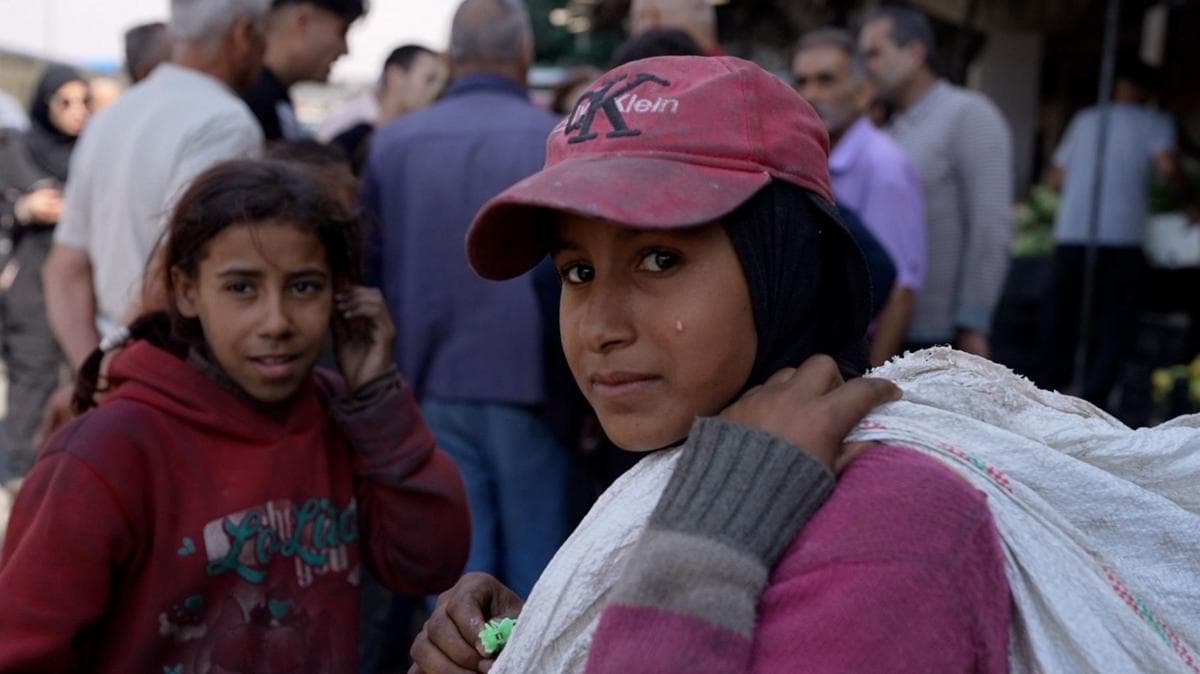
Protests broke out in streets and squares across Syria as residents reacted to a tenfold increase in the price of bread, a national staple.
Demonstrators blocked roads, chanted slogans, and burned tyres during the unrest. The government has slashed long-standing subsidies as part of an austerity drive, while fuel prices have been adjusted to match international averages. Electricity costs have risen by several hundred per cent for some households, prompting authorities to adjust public sector wages and pensions in response.
Another resident said, "we have begun to fear what kind of new decision each morning will bring."
Fatima Saleh Eid said, "We've suffered a lot." Marwan Bashour received a monthly pay of approximately $90 (£70). The United Nations Development Programme reported that 90% of Syrians lived in poverty last year.
The government attributed the fuel price hike partly to pressure on energy markets caused by the conflict. Dr Haid Haid claimed a significant portion of the population is worse off than before the fall of Bashar al-Assad.
Dr Haid Haid noted that the crisis stems from a lack of financial resources and the legacy of the former regime, but also from new policies moving Syria toward a liberal free-market economy that ignores the impact on people. President Ahmed al-Sharaa, who came to power two years ago after rebels ousted Bashar al-Assad, retook the resource-rich north-east from a Kurdish-led militia.
While the Druze still control areas in the south, Israel occupies parts of the south-west. The war killed half a million people and displaced half of the population. The World Bank estimates that reconstruction costs total $216bn.
Samir Aita described the crisis as a combination of policies where the government failed to manage expectations and created unrealistic hopes. Aita warned that the situation is unsustainable and expressed fear of chaos if changes are not made.
Abu Mahmoud stated that the new leadership inherited a bankrupt country and argued that people need to be patient because things do not happen overnight.