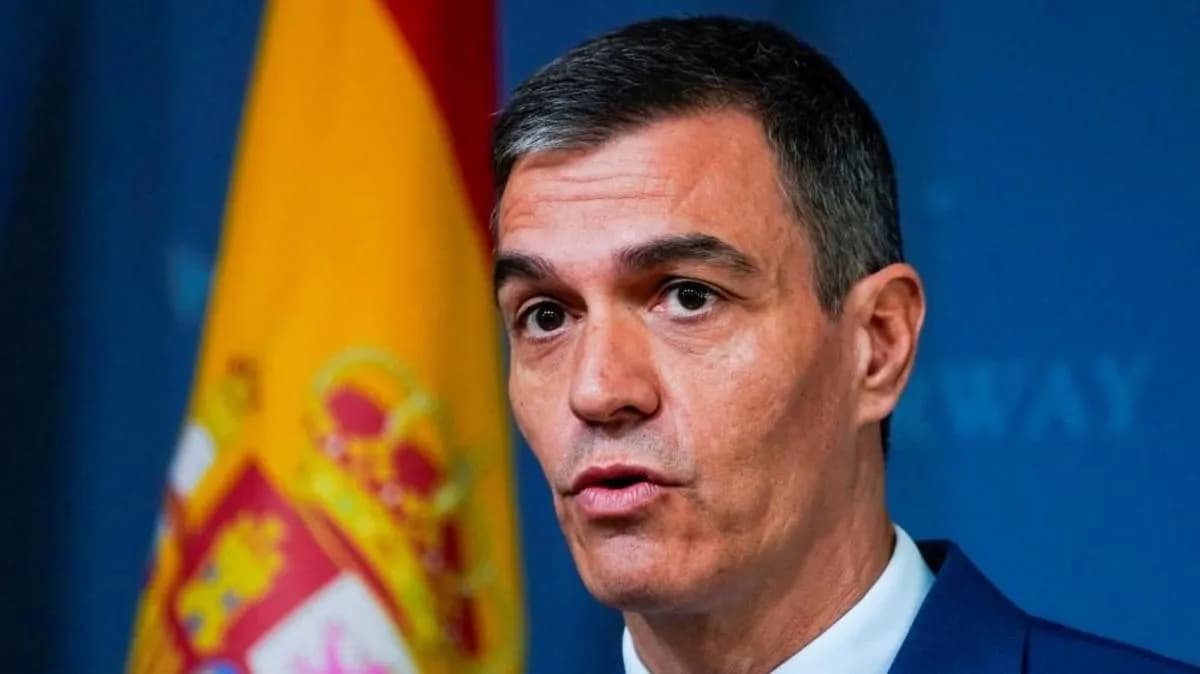
Polling stations opened across Spain on Sunday, November 29, 2026, for a snap general election. The vote could end the eight-year rule of Socialist Prime Minister Pedro Sánchez and bring the far right into national government for the first time since the country returned to democracy following the death of dictator Francisco Franco in 1975.
More than 38.6 million eligible voters are casting ballots to fill all 350 seats in the Congress of Deputies and 209 seats in the Senate. Voting began at 9:00 a.m. local time (08:00 GMT) across mainland Spain and the Balearic Islands, and one hour later in the Canary Islands. Polls are scheduled to close at 8:00 p.m. local time.
Sánchez called the early vote in October after the center-right People’s Party (PP), far-right Vox, and Catalan separatist party Junts voted down his government’s emergency "Maricarmen" housing relief bill. Sánchez has touted Spain’s strong macroeconomic growth as the European Union's fourth-largest economy. However, his campaign has been weighed down by soaring housing and rental costs, recent surges in migrant arrivals in the Canary Islands, and corruption investigations involving his wife, brother, and former close allies.
Pre-election surveys consistently show Alberto Núñez Feijóo’s People’s Party finishing first. This positions the PP and Santiago Abascal’s nationalist, anti-immigration Vox party to potentially secure the 176-seat parliamentary majority needed to govern together. On the left, Sánchez’s Socialist Party (PSOE) is running alongside the newly formed Broad Front (Frente Amplio) alliance led by former Barcelona mayor Ada Colau. This coalition needs strong late turnout and backing from regional parties to hold onto power.