Ali Kololo, a Kenyan woodcutter, says the actions of London's Metropolitan Police destroyed his life after he was wrongly sentenced to death for an attack on a British couple. Kololo is currently suing the Metropolitan Police, claiming that a senior officer, former Detective Superintendent Neil Hibberd, gave misleading evidence and acted unlawfully to secure his conviction.
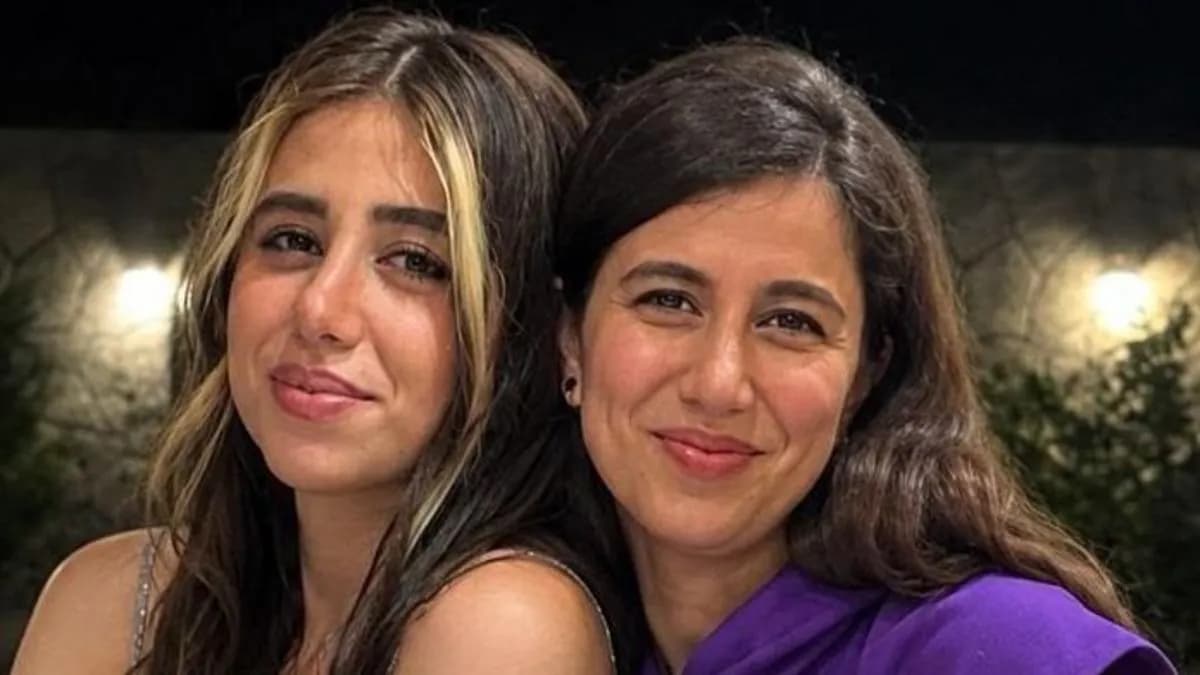
The case stems from 2011, when Somali gunmen broke into the beach bungalow of David and Judith Tebbutt on the Kenyan coast. David was shot dead and Judith was held captive in Somalia for six months. Met detectives flew to Kenya to assist the investigation, and their evidence led to Kololo's conviction. He spent more than a decade in prison before his conviction was overturned in April 2023 by Kenya's High Court due to doubts over the prosecution's evidence.
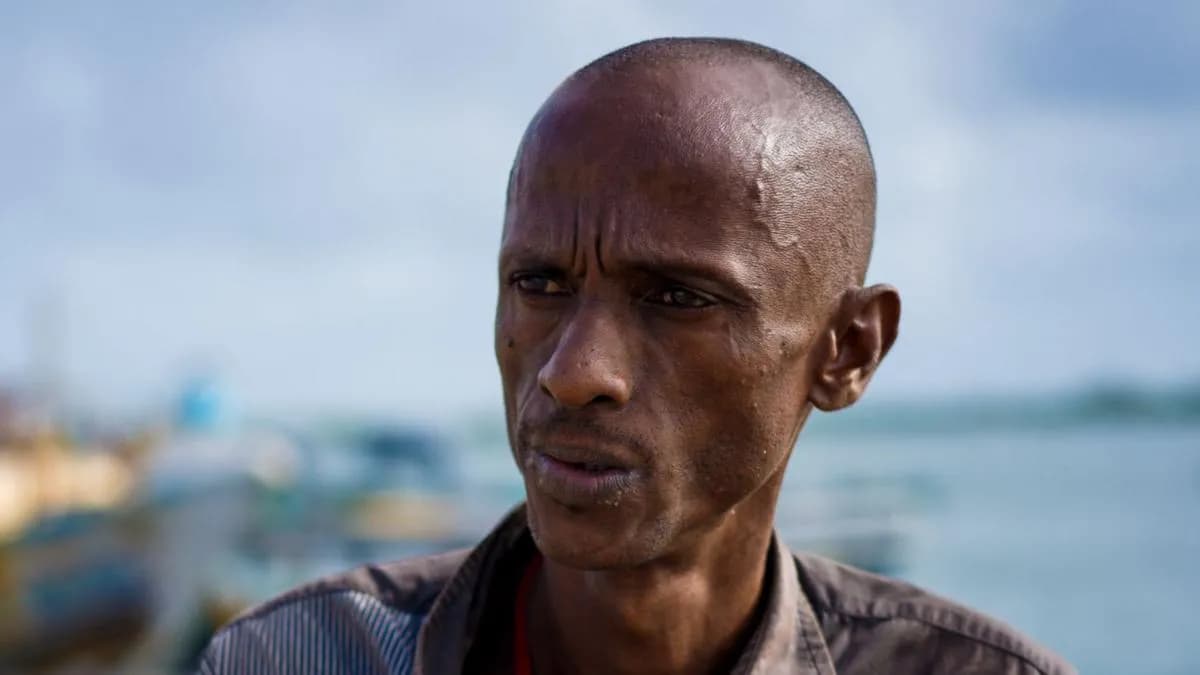
Kololo told the BBC that he is struggling to rebuild his life following his 15-year ordeal. "Everything was taken from me. I'm starting from zero. I don't think I'll ever go back to who I was before," Kololo said while standing on the jetty in Lamu where he was once brought ashore in handcuffs. Before his arrest, Kololo lived with his wife and three children and worked as a groundskeeper and woodcutter. "My life was very good," he said. "I was fending for myself, taking good care of my family."
Kololo alleges that Kenyan police arrested him within 24 hours of the 2011 attack and subjected him to severe abuse. "I was beaten with clubs and thrown into a car," he said. "They beat me for days, burning me with cigarettes, forcing me to confess to things. They subjected me to torture like no other." Because Kololo could not read or write, he claims police forced him to put his thumbprint on a statement claiming he led the attackers to the Tebbutts. He described the statement as "a mountain of lies" and said, "I signed it without knowing what it was because of the state they had put me in." The Kenyan police stated they "at all times strives to work within the law."
A team of Met officers, led by then Detective Superintendent Neil Hibberd, arrived in Kenya shortly after the attack. Although the UK government instructed officers not to accept information obtained through interrogation, Hibberd requested Kololo's statement and relied on it during the trial. Hibberd also presented evidence claiming Kololo wore shoes that matched marks in the sand, despite the arresting officer stating Kololo was barefoot. Hibberd did not disclose that the Met's own forensic examination could not establish if the shoes made those marks.
During the trial, Kololo had to cross-examine all prosecution witnesses himself through an interpreter. He told the BBC, "I believe I was framed because I am a poor man and I did not have the strength or means to fight for myself." Kololo was the only person convicted in connection with the attack. He spent three years on death row before his sentence was commuted to life imprisonment.
In 2022, Judith Tebbutt told the BBC that Kololo was a scapegoat, stating, "He was not there on the night. He was not part of the group that held me. They've put this man in prison without any real evidence."
The UK's Independent Office for Police Conduct (IOPC) later established that Hibberd omitted significant forensic evidence. While the IOPC found he would have had a case for gross misconduct, he could not face proceedings as he had retired. At the time, Hibberd's lawyer stated he absolutely disagreed with the report's findings.
Kololo says he remains physically and mentally scarred, living alone in a mud hut as his wife divorced him and his children were separated from him. He says he is "extremely angry" with both the Met and the Kenyan police for collaborating to incriminate him.
The Metropolitan Police has not apologised or admitted wrongdoing and is contesting Kololo's compensation claim. The force told the BBC that neither they nor Hibberd wanted to comment on Kololo's claim, but added: "Our thoughts are with Mr Kololo, Mrs Tebbutt, her family and all those who have been affected by this terrible crime. The Metropolitan Police remains committed to supporting the Kenyan authorities in any way that may be possible, in order to get justice for Mrs Tebbutt and her late husband."
Preetha Gopalan, head of UK litigation at the legal charity Reprieve, described the Met's behaviour as "egregious," claiming they have spent 10 years trying to evade accountability. Kololo said that while he hopes for justice to help his children, he believes he will never be the same.