Key Takeaways
- Analysis reveals carmakers' batteries may contain nickel mined in deforested areas.
- Indigenous Tolaki people in Sulawesi face loss of primary rainforest due to mining activities.
- Nickel, crucial for car batteries, is extracted from lands plagued by widespread deforestation.
An analysis has uncovered a concerning link between major automotive companies and deforestation in Indonesia. Volkswagen, Ford, and Tesla are among the electric carmakers whose batteries may contain nickel mined in indigenous woodlands, leading to significant environmental destruction.
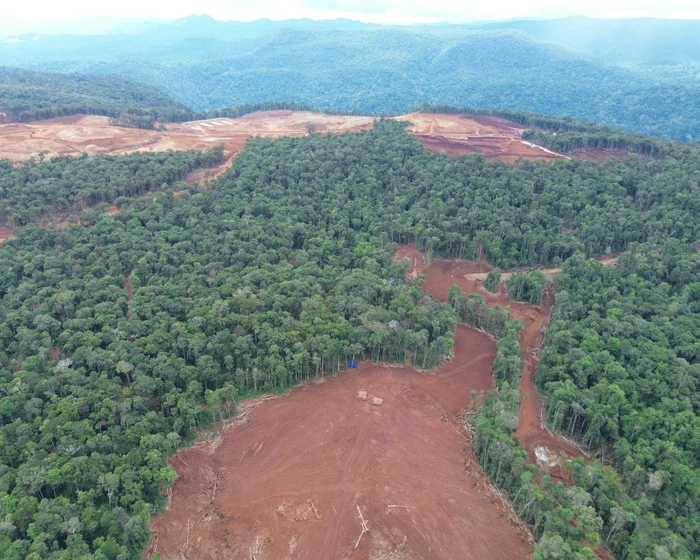
The nickel-rich lands in Sulawesi, a region inhabited by the Tolaki people, have been severely impacted by mining activities. These areas are crucial for the extraction of nickel, a key component in the production of car batteries, due to its ability to boost energy density and increase vehicle range.
Corporate disclosures and trade flows from the past two years indicate that mines in the battery supply chains of these automotive giants are directly linked to the loss of trees in Sulawesi. This region, a wildlife hotspot, is home to the world’s largest nickel deposits, making it a prime target for mining operations.
The Tolaki people, who have lived in these areas for generations, are now facing the loss of their primary rainforest. This not only threatens their way of life but also disrupts the local ecosystem, which is already a critical habitat for numerous species.
Nickel, a vital metal for the production of car batteries, is extracted from these lands, leading to widespread deforestation. The process involves the removal of trees and vegetation, which not only degrades the environment but also poses significant challenges for the indigenous communities.
The analysis highlights the complex interplay between global automotive companies and local mining practices. While these companies strive to produce environmentally friendly vehicles, their supply chains are often intertwined with activities that contribute to environmental degradation.
Environmental activists and indigenous rights groups have called for stricter regulations and corporate responsibility to ensure that the production of electric vehicles does not come at the cost of environmental destruction. They argue that companies must take proactive steps to mitigate the impact of their supply chains on local communities and ecosystems.
The findings of this analysis underscore the need for transparency and accountability in the automotive industry. Companies must work towards sustainable practices that respect both the environment and the rights of indigenous communities.