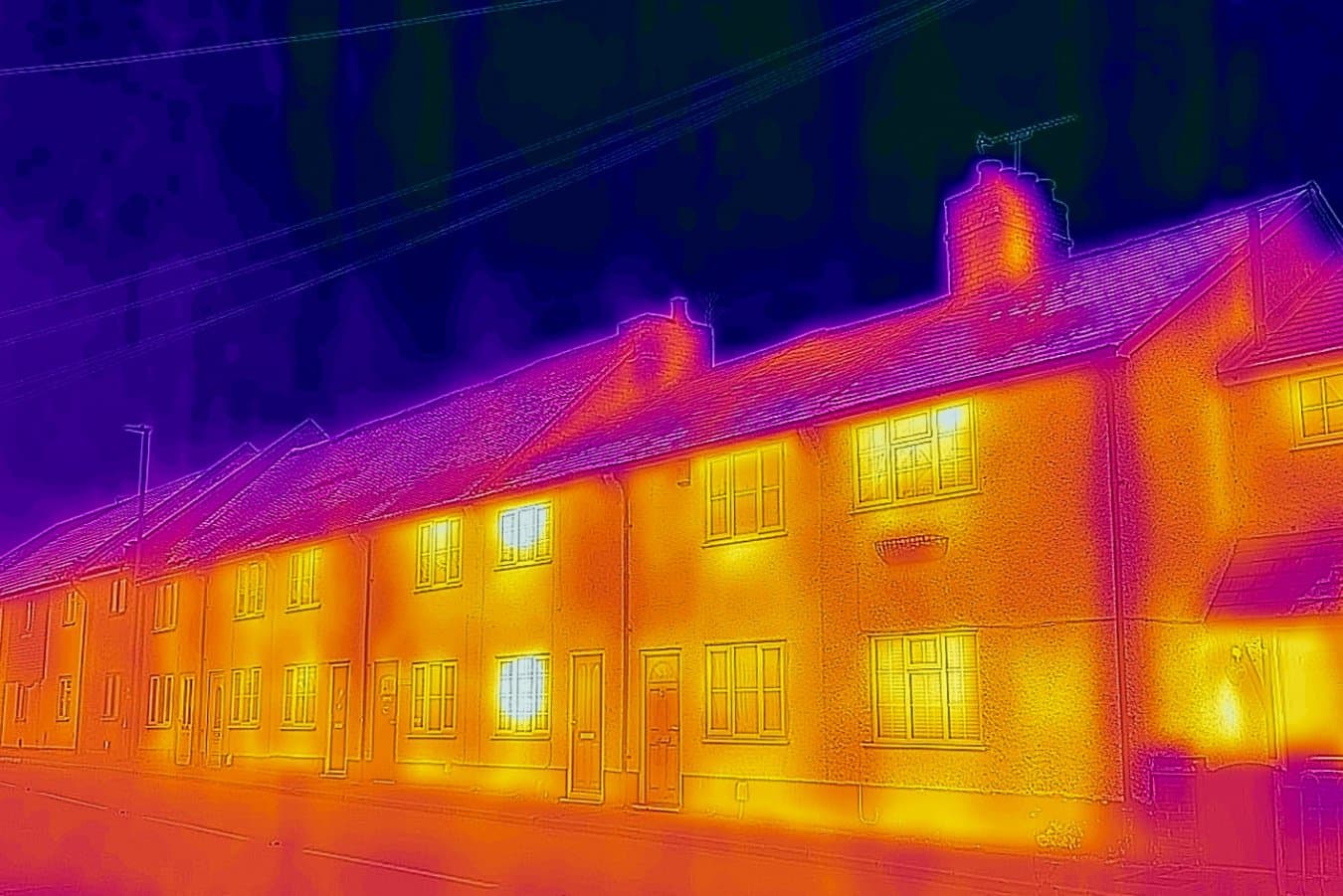
Start-ups in France and the United Kingdom are transitioning into the commercial production of aerogels to improve building insulation. The United Kingdom contains approximately 8 million homes with solid walls, most of which were constructed before the 1920s.
Wim Malfait at the Swiss Federal Laboratories for Materials Science and Technology (EMPA) described aerogels as porous solids containing significant amounts of air. Thermulon has overhauled its manufacturing process to utilise standardised equipment, lower energy consumption, and more affordable materials.
Sam Cryer of Thermulon said, "We developed a way to make aerogels using the cheapest materials and using equipment and methodology that allows you to go to big scale." The company is currently completing arrangements with a contract manufacturer in Northern Ireland to begin commercial-scale production next year.
By 2027, Thermulon expects to have the capacity to manufacture 100 tonnes of aerogels annually. Keey Aerogel has engineered a method to produce aerogels from construction industry silica waste while using a solvent that is continuously recycled.
This production method creates a product with a carbon footprint three times smaller than that of traditional aerogels. The firm raised €18 million in venture capital during 2025.
A plant for Keey Aerogel located near Mulhouse in eastern France is scheduled to begin production next year with a capacity of 1,000 to 2,000 tonnes per year. Malfait noted at EMPA that while the material may be the best solution in many instances, customers must be persuaded to overcome the initial price shock.