Key Takeaways
- UK inflation rate rises to 3.1% due to energy price increases.
- Andy Burnham warns of difficult decisions in upcoming budget.
- Bank of England prepares for interest rates decision amid economic concerns.
The UK inflation rate has risen to 3.1%, driven by a significant increase in energy prices, according to official figures. This marks a 0.2% increase from July, when the rate was 2.9%. The rise has been attributed to the ongoing Iran conflict, which has led to higher fuel costs.
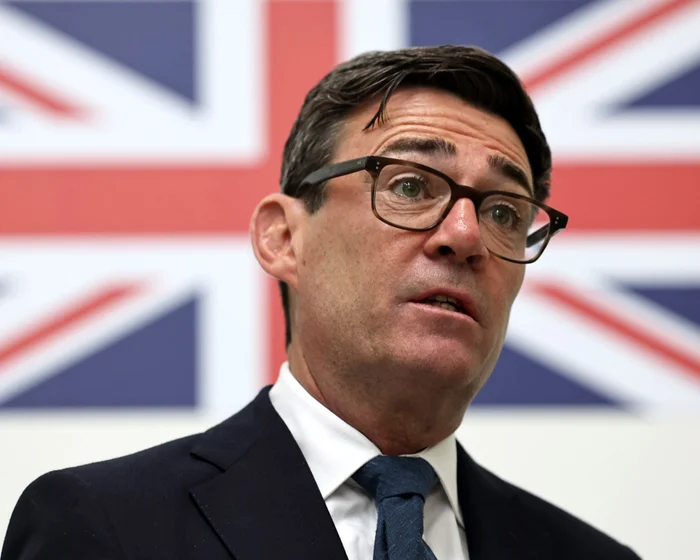
In a statement, Andy Burnham, the UK’s Chancellor of the Exchequer, warned that the government will need to make 'difficult decisions' in the upcoming budget. This comes as the UK faces growing pressure on household finances, with the inflation rate now above the 2% target set by the Bank of England.
The Bank of England is preparing for a key interest rates decision, which could have significant implications for the UK economy. The central bank will likely consider the impact of rising inflation on the broader economic landscape, including its effects on living standards and business operations.
The rise in inflation is expected to have a direct impact on household budgets, with energy costs accounting for a substantial portion of the increase. This is particularly concerning as the global economy continues to grapple with the aftermath of the Middle East conflict, which has exacerbated supply chain issues and driven up prices.
In response to the rising inflation, the government has been under pressure to address the issue through various measures. However, Burnham’s warning suggests that the upcoming budget will likely involve tough choices, potentially including tax increases or spending cuts to manage the financial burden on households.
Economists and financial analysts are closely watching the Bank of England’s decision, as it could set the tone for future monetary policy. The central bank’s move will be influenced by the inflation data and the overall economic outlook, which remains uncertain due to ongoing geopolitical tensions.
The increase in inflation is expected to have a ripple effect across the economy, impacting not only households but also businesses and the overall financial stability of the country. As the government and central bank navigate these challenges, the focus will be on finding a balance between economic growth and maintaining living standards.
The rise in inflation is a reminder of the complex interplay between global events and domestic economic conditions. As the UK continues to face these challenges, the upcoming budget and interest rates decision will be crucial in shaping the country’s economic future.