Key Takeaways
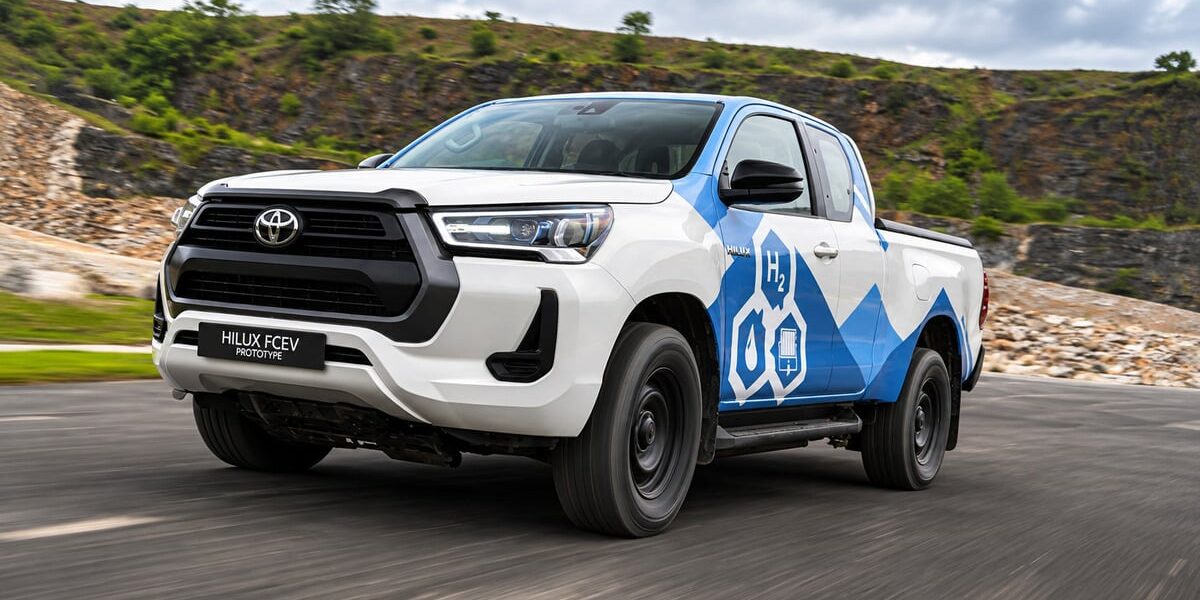
- Toyota is set to release a hydrogen-fuel-cell Hilux in 2028.
- The vehicle aims for a range of over 400 km and a towing capacity of 2,500 kg.
- The launch is part of Toyota's broader hydrogen mobility strategy.
Toyota has announced plans to introduce a hydrogen-fuel-cell Hilux in 2028, marking a significant step in the company's push towards alternative powertrains.
The vehicle is expected to offer a driving range of more than 400 km and a towing capacity of up to 2,500 kg, according to the company's development targets.

This move aligns with Toyota's broader hydrogen strategy, which includes the use of fuel-cell technology in commercial vehicles and motorsport programs.
The hydrogen Hilux will be available in Europe and Oceania, with no confirmed timeline for its introduction in Pakistan.
The vehicle works by combining hydrogen with oxygen from the air in a fuel cell, producing electricity that powers an electric motor. Water is the main byproduct.
Toyota is also collaborating with Scania and IVECO on fuel-cell systems for heavy-duty trucks, expanding its hydrogen mobility efforts beyond passenger cars and pickups.
The company plans to enter a fuel-cell Hilux in the Dakar Rally Future Mission 1000 category in 2027, providing a challenging testing environment for the technology.
Toyota is also developing hydrogen combustion engines through its motorsport programs, further diversifying its hydrogen mobility portfolio.
Despite these advancements, Toyota acknowledges that the success of hydrogen vehicles depends on the availability of widespread hydrogen production, distribution, and refuelling infrastructure, along with supportive regulations.