Key Takeaways
- Telecom operators have submitted detailed data to a government task force.
- The aim is to extend industrial electricity tariffs to the telecom sector.
- The task force includes officials from various government and industry bodies.
Pakistan’s telecom operators have submitted comprehensive data to a government task force, urging the reduction of their electricity costs. The data includes operators’ total power expenses, electricity consumption, and the number of telecom sites, among other details.
The submissions also cover the financial impact of lower electricity tariffs, load-shedding, network disruptions, and diesel expenses. Operators have detailed the use of generators and backup systems, along with the duration of outages and their impact on network services.
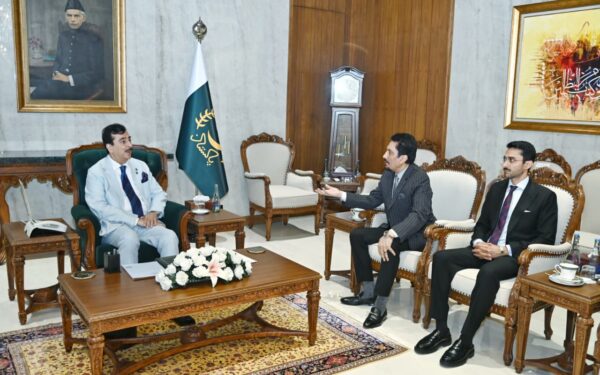
In response to the telecom operators' requests, the government has formed a task force to work out a mechanism for extending industrial electricity tariffs to the telecom sector. The task force includes officials from the Ministry of IT and Telecommunication, Power Division, NEPRA, PTA, telecom operators, and power distribution companies.
The task force is also considering dedicated power feeders and smart-grid solutions to reduce network disruptions during prolonged outages. These measures are aimed at improving the reliability of network services and reducing the financial burden on telecom operators.
Further consultations with telecom companies and power distribution firms are expected before the government finalizes the framework. The recommendations from the task force will help determine how industrial electricity rates can be extended to the telecom sector.
The government's move to form a task force and consider industrial electricity tariffs for telecom companies is a significant step towards addressing the sector's financial challenges. Telecom operators hope that this will lead to more stable and efficient operations, ultimately benefiting both the industry and consumers.