Key Takeaways
- Lite-On Technology unveils 800 VDC power and liquid cooling systems.
- AVC introduces 6MW In-Row CDU and predictive cooling technologies.
- Both companies aim to enhance power efficiency and manage heat in AI data centers.
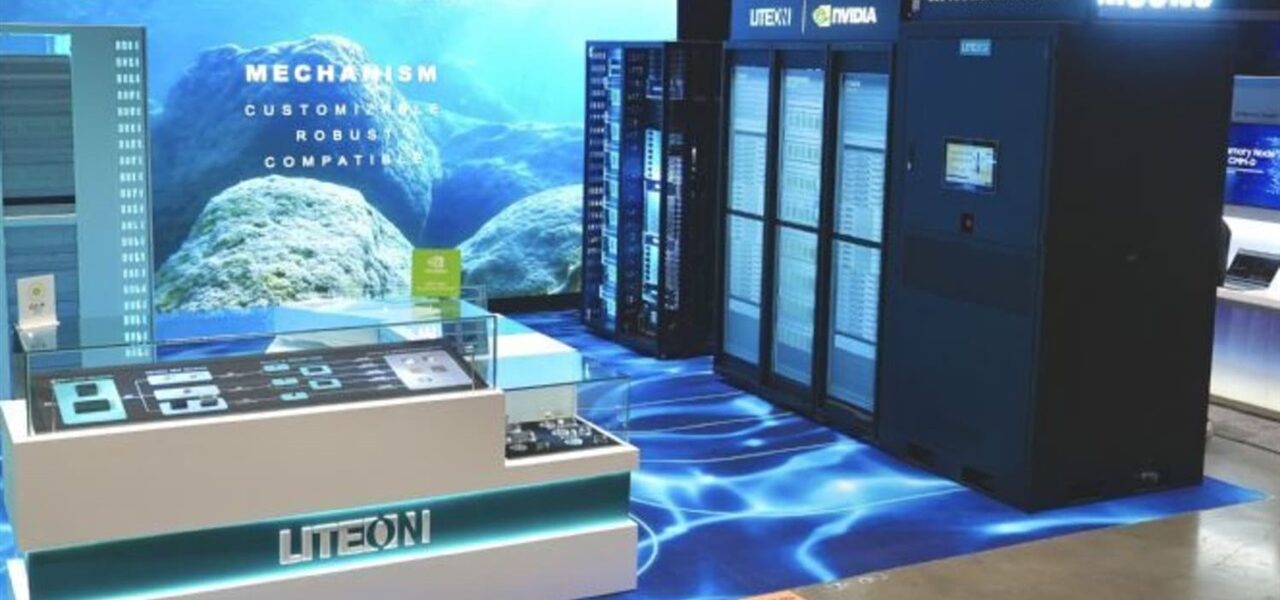
At the 2026 Open Compute Project (OCP) Global Summit, technology firms are presenting innovative cooling solutions designed to address the growing demands of artificial intelligence (AI) data centers. Lite-On Technology, a leading provider of electronic components, showcased an 800 VDC power architecture and liquid-cooling systems compatible with NVIDIA Vera Rubin power racks.
These solutions are intended to improve power efficiency and manage the increasing density of AI racks, which generate significant heat. By integrating backup power with thermal management, Lite-On aims to provide a comprehensive solution for data-center operators.
Simultaneously, Asia Vital Components (AVC), another key player in the tech industry, unveiled new liquid-cooling technologies, including direct liquid cooling (DLC) and an In-Row CDU. These innovations are part of AVC's broader strategy to support rising AI computing demands and the increasing heat intensity of data-center racks.
The In-Row CDU, which can handle up to 6 megawatts (MW) of power, is designed to provide efficient cooling directly at the server level, reducing the need for extensive infrastructure changes. AVC is also expanding its focus beyond AI GPUs and CPUs to support a wider range of heat-intensive computing applications.
Both companies are emphasizing the importance of predictive cooling, which can help data-center operators anticipate and manage thermal issues before they become critical. This proactive approach is crucial in maintaining the reliability and performance of AI data centers, which are increasingly central to various industries.
The OCP Global Summit, held from October 12-15 in San Jose, US, brought together industry leaders to discuss and showcase the latest advancements in data-center technology. The event highlighted the ongoing efforts to develop more efficient and sustainable solutions for the rapidly growing AI sector.
By integrating these advanced cooling technologies, data-center operators can ensure that their facilities remain operational and efficient, even as the demands of AI computing continue to rise. The focus on power efficiency and thermal management underscores the critical role that these solutions play in the future of data-center infrastructure.