Key Takeaways
- Attacks on tankers in the Strait of Hormuz hit the highest weekly total since the start of the Iran-US conflict.
- Nine incidents were recorded by the International Maritime Organization in the same week.
- 12 crew members were injured when an unknown projectile struck a Panama-flagged tanker.
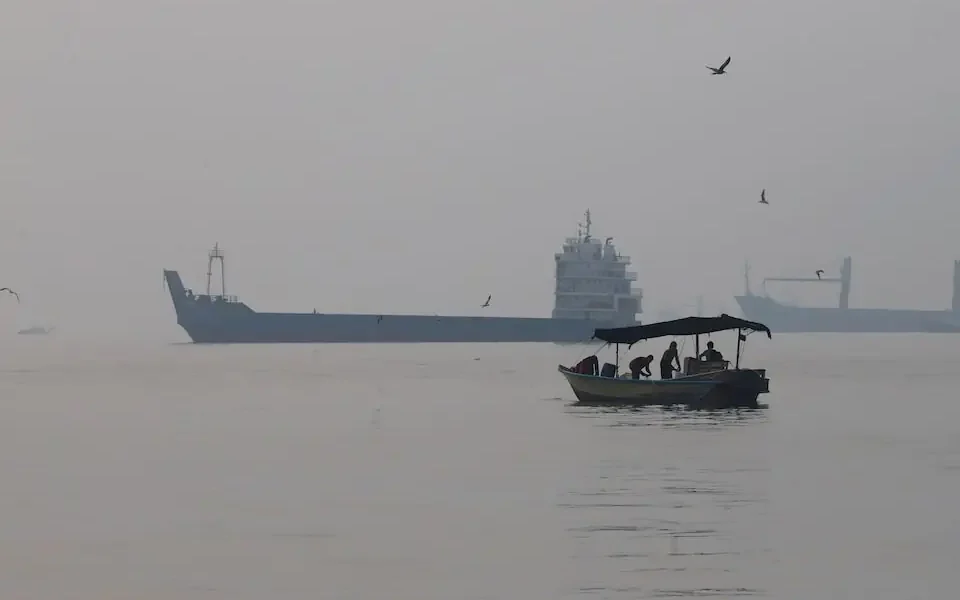
Attacks on tankers sailing through the Strait of Hormuz reached their highest weekly total since the start of the Iran-US conflict, according to maritime security sources. In the week of September 28-October 5, there were at least 12 attacks on oil, liquefied natural gas, and liquefied petroleum gas tankers, the sources said.
The attacks, which included attempted attacks and harassment such as drone overflights and VHF radio surveillance by Iran’s Revolutionary Guards, continued to demonstrate Iran’s intent to assert presence along key transit lanes and maintain pressure on transiting vessels, according to the US Navy-led Joint Maritime Information Center (JMIC).
The JMIC noted, “These actions continue to demonstrate Iran’s intent to assert presence along key transit lanes and maintain pressure on transiting vessels.”
Separate data from the International Maritime Organization (IMO) showed nine incidents involving vessels in the same week, though the UN body tends to take longer to verify and officially record incidents, maritime sources explained.
The closest week in terms of comparable incidents was the week of July 13, when there were eight incidents, according to separate IMO data.
The attacks on tankers and logistical constraints have clouded the outlook for sustained higher flows of oil from the Gulf, with Gulf oil exporters topping pre-war levels for about half of September, shipping data showed.
In a separate incident, India’s foreign ministry reported that 12 crew members were injured when an unknown projectile struck a Panama-flagged oil tanker, On Peace, while it was passing through the Strait of Hormuz.
US Vice President Kamala Harris, in an interview, stated that Iran must cut nuclear enrichment to end the war, highlighting the ongoing tensions between the two nations.