Key Takeaways
- Taiwan is a global leader in superconductor research and development.
- Superconductor chips are essential in AI technology and various electronic devices.
- Chinese President Xi Jinping's state visit to Washington will include discussions on Taiwan.
Taiwan is at the forefront of semiconductor technology, playing a pivotal role in the global race for artificial intelligence (AI) development. The country is renowned for its advanced research and development in superconductors, which are critical components in modern electronics and AI applications.
These superconductor chips, which can be found in smartphones, computers, and AI systems, are highly sought after due to their efficiency and performance. They are particularly important in AI development, where they enable faster and more powerful computations.
During his highly anticipated state visit to Washington, Chinese President Xi Jinping will likely discuss the strategic importance of Taiwan, which is coveted by China. The visit underscores the geopolitical significance of Taiwan, not only as a technological powerhouse but also as a key player in the global tech landscape.
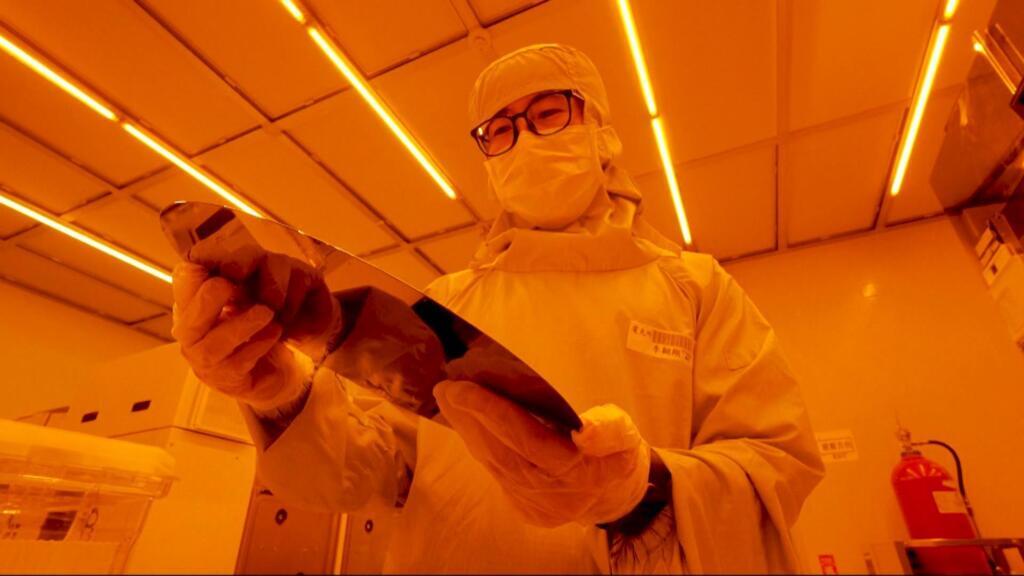
Taiwan's state-of-the-art laboratories, which are rarely open to the public, offer a glimpse into the cutting-edge research being conducted. These facilities are home to some of the world's most advanced semiconductor technologies, contributing significantly to the development of AI and other high-tech industries.
The visit by President Xi Jinping highlights the complex relationship between China and Taiwan, with Taiwan's technological advancements serving as a focal point for both economic and political discussions. The global tech community closely watches these developments, recognizing the potential impact on the future of AI and semiconductor technology.
While the exact details of the discussions between the two leaders remain to be seen, it is clear that Taiwan's semiconductor industry is a central topic. The country's ability to produce high-performance chips is seen as a key factor in the ongoing AI race, making it a critical player in the global tech ecosystem.
The visit also brings attention to the broader geopolitical implications of Taiwan's technological prowess. As China seeks to strengthen its technological capabilities, Taiwan's role as a leader in semiconductor technology is likely to be a point of contention and cooperation in the coming years.
In conclusion, Taiwan's semiconductor industry is not just a domestic success story; it is a global phenomenon that shapes the future of technology. The upcoming state visit by President Xi Jinping underscores the importance of this industry in the context of international relations and technological advancement.