Key Takeaways
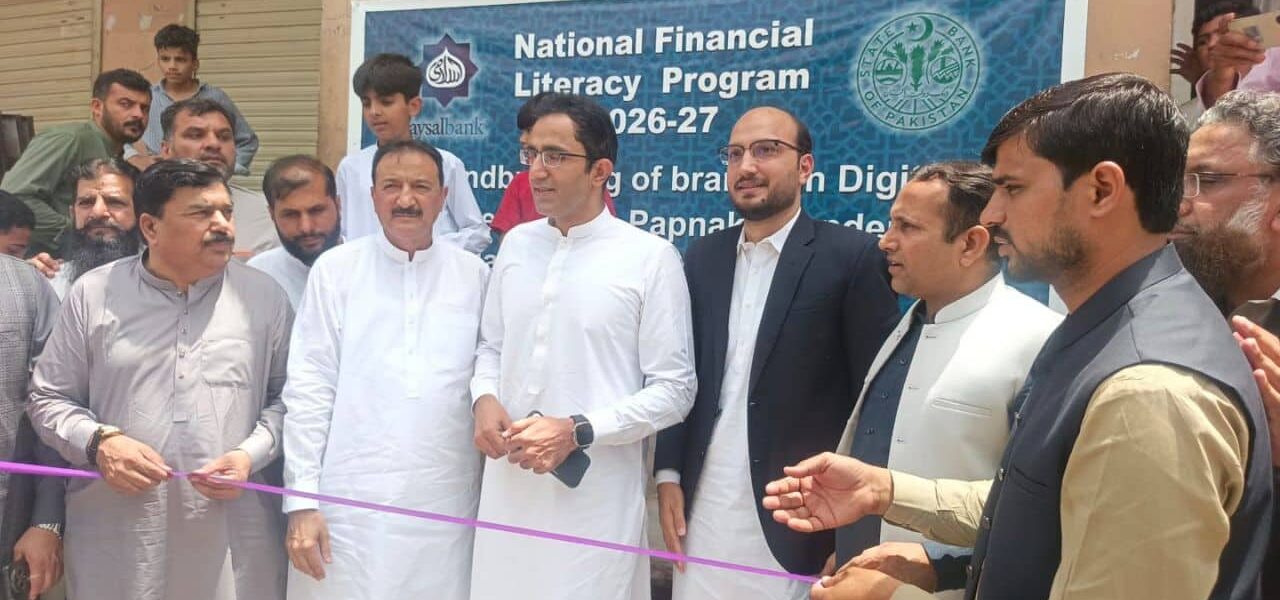
- Faysal Bank has initiated a rural financial inclusion drive in Papnakha Village, Gujranwala.
- The branch is part of the bank's efforts to expand digital banking services in underserved areas.
- Financial literacy sessions were conducted for community members on using digital tools.
Faysal Bank (FBL) has taken a significant step towards financial inclusion by breaking ground on a dedicated branch in Papnakha Village, Gujranwala. This initiative aligns with the State Bank of Pakistan’s National Financial Inclusion Strategy 2024-28 and aims to transition the village into a cashless, digitally enabled ecosystem.
The new branch is expected to provide local residents with improved access to formal banking services, including account opening, digital transactions, and other essential financial services. This move reflects FBL’s commitment to expanding outreach in rural markets despite operational constraints.
As part of the programme, FBL conducted financial literacy sessions for community members, focusing on the use of digital financial tools and responsible banking practices. These sessions drew participation from residents, indicating growing interest in formal financial services at the grassroots level.
The initiative is seen as an early example of how targeted interventions can support financial inclusion in rural markets. Stakeholders describe it as a positive step towards reducing reliance on informal cash-based transactions and promoting digital adoption among underserved populations.
Pakistan continues to push for greater financial inclusion through public-private collaboration, with banks playing a central role in expanding outreach and enabling digital adoption in remote areas. FBL’s efforts in Papnakha Village are part of this broader national strategy.
The branch is expected to serve as a model for other rural communities, demonstrating the potential benefits of integrating digital banking services into local economies. By providing residents with access to formal financial services, FBL aims to enhance their economic participation and reduce poverty levels in underserved areas.