Key Takeaways
- Cumulative lithium-ion battery storage imports reached 7.6 gigawatt-hours by end of 2025.
- Residential consumers account for 58% of all battery imports, with one in every 26 solar-powered homes now equipped with battery storage.
- Experts urge policymakers to integrate storage into energy planning.
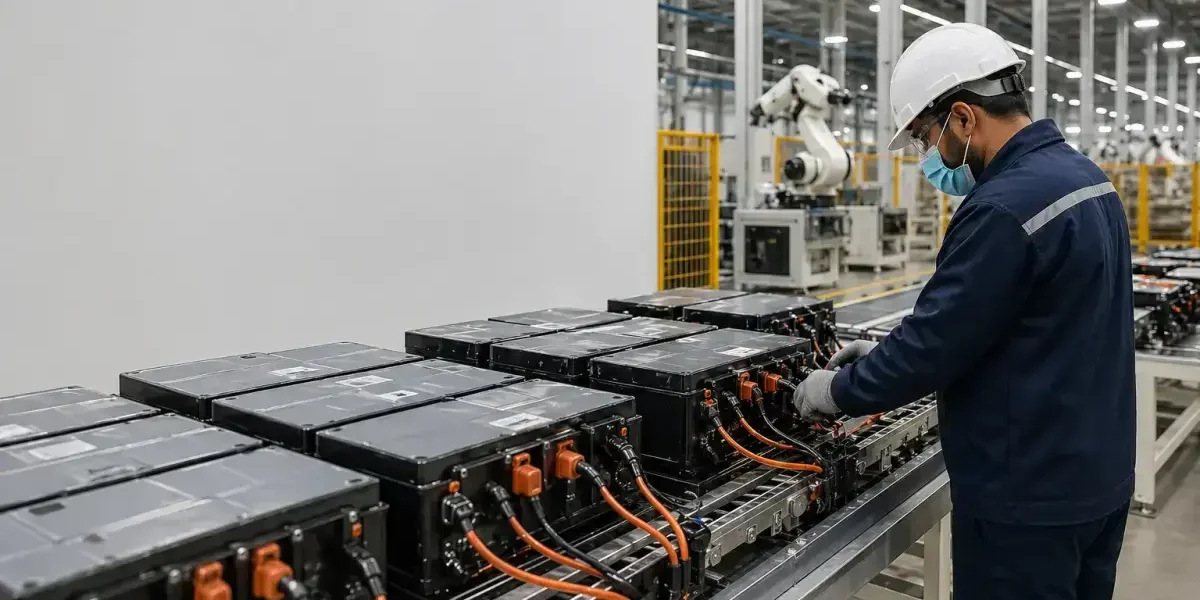
Pakistanis are increasingly investing in Battery Energy Storage Systems (BESS) alongside rooftop solar installations, according to a new report by Renewables First. The analysis titled ‘From Solar Panels to Storage: Pakistan’s Battery Boom Begins’ highlights the rapid growth of battery imports, with cumulative lithium-ion storage reaching 7.6 gigawatt-hours (GWh) by the end of 2025.
Senior Data Associate at Renewables First, Huma Naveed, noted that battery imports remained below 0.5 GWh annually between 2018 and 2023 before demand accelerated sharply over the past year. She stated, 'Battery imports have seen a significant increase, with nearly 60% of total imports recorded during 2025 alone.'
The report attributes this growth to higher electricity tariffs, an expanding base of rooftop solar users, declining battery prices, and reforms to the country’s net billing framework. Program Director at Renewables First, Muhammad Mustafa Amjad, emphasized that unlike many countries where battery storage is utility-driven, Pakistan's market is being led by households.
Residential consumers account for 58% of all battery imports, with around one in every 26 solar-powered homes now equipped with battery storage. This trend reflects a consumer-led transition through rapid rooftop solar adoption, Amjad noted. He stressed the need for policymakers to incorporate storage into energy planning at an early stage to ensure equitable and inclusive growth.
The report suggests that Battery Energy Storage Systems will play a central role in Pakistan's transition towards a more decentralised energy system. It highlights global geopolitical uncertainties, volatile fuel prices, and recent changes to the net metering framework as factors reinforcing the need to integrate consumer energy resources into national energy planning.
Greater adoption of battery storage could enhance energy security, reduce dependence on imported fossil fuels, and improve the resilience of Pakistan's power sector. Amjad concluded that 'the integration of storage is crucial for a sustainable and reliable energy future.'
'Battery imports have seen a significant increase, with nearly 60% of total imports recorded during 2025 alone.'
Huma Naveed, Senior Data Associate at Renewables First
'The integration of storage is crucial for a sustainable and reliable energy future.'
Muhammad Mustafa Amjad, Program Director at Renewables First