LIVE Watch Now
Breaking
FIA Establishes Cryptocurrency Investigation Unit to Combat Money LaunderingChinese trade delegation meets FPCCI to boost business tiesPakistan Secures Silver Medal in International Biology OlympiadResidents Demand Immediate Restoration of Gas Supply in NaseerabadYPAP Accuses DRAP of Allowing Drug Price HikesBusiness community urges PM to withdraw daily petroleum pricing policyBusiness groups oppose tax imposition on ex-FATA, PATA regionsMicrosoft emphasizes AI sovereignty, prioritizing local dataUBG President Calls for Acceleration of CPEC Second PhaseLCCI Urges Government to Implement Business-Friendly Fuel Conservation MeasuresJazz and Nokia Complete SDM Platform VirtualizationGGAPCP Praises National Gems Authority, Sees Boost for Gemstone IndustryLawmakers from Khyber Pakhtunkhwa oppose taxation in merged districtsBefar starts producing ultra-pure hydrogen fluoride gas for chipmakingLGES to Launch Sodium-Ion Battery Line in 2026Australian ski resorts break July temperature recordsRussian steel magnate sells shipping firm amid Ukrainian attacksFTO rules FBR must fix IRIS glitches to allow tax creditsFDI in Pakistan Falls Short of RecoveryPakistan’s Foreign Minister Urges Ambassador to Boost Ties with UAEFIA Establishes Cryptocurrency Investigation Unit to Combat Money LaunderingChinese trade delegation meets FPCCI to boost business tiesPakistan Secures Silver Medal in International Biology OlympiadResidents Demand Immediate Restoration of Gas Supply in NaseerabadYPAP Accuses DRAP of Allowing Drug Price HikesBusiness community urges PM to withdraw daily petroleum pricing policyBusiness groups oppose tax imposition on ex-FATA, PATA regionsMicrosoft emphasizes AI sovereignty, prioritizing local dataUBG President Calls for Acceleration of CPEC Second PhaseLCCI Urges Government to Implement Business-Friendly Fuel Conservation MeasuresJazz and Nokia Complete SDM Platform VirtualizationGGAPCP Praises National Gems Authority, Sees Boost for Gemstone IndustryLawmakers from Khyber Pakhtunkhwa oppose taxation in merged districtsBefar starts producing ultra-pure hydrogen fluoride gas for chipmakingLGES to Launch Sodium-Ion Battery Line in 2026Australian ski resorts break July temperature recordsRussian steel magnate sells shipping firm amid Ukrainian attacksFTO rules FBR must fix IRIS glitches to allow tax creditsFDI in Pakistan Falls Short of RecoveryPakistan’s Foreign Minister Urges Ambassador to Boost Ties with UAE
◕ SundialUpdated 2 days ago
Trending Stories
Pakistan

NESPAK Proposes Three Alignment Options for Rawalpindi Ring Road Phase-II

NESPAK Proposes Three Alignment Options for Rawalpindi Ring Road Phase-II

Key Takeaways

  • NESPAK has completed a feasibility study for the Rawalpindi Ring Road Phase-II project.

  • Three alignment options are proposed, with the preferred option involving widening an existing motorway.
  • The most cost-effective solution is estimated to cost around Rs. 9 billion.

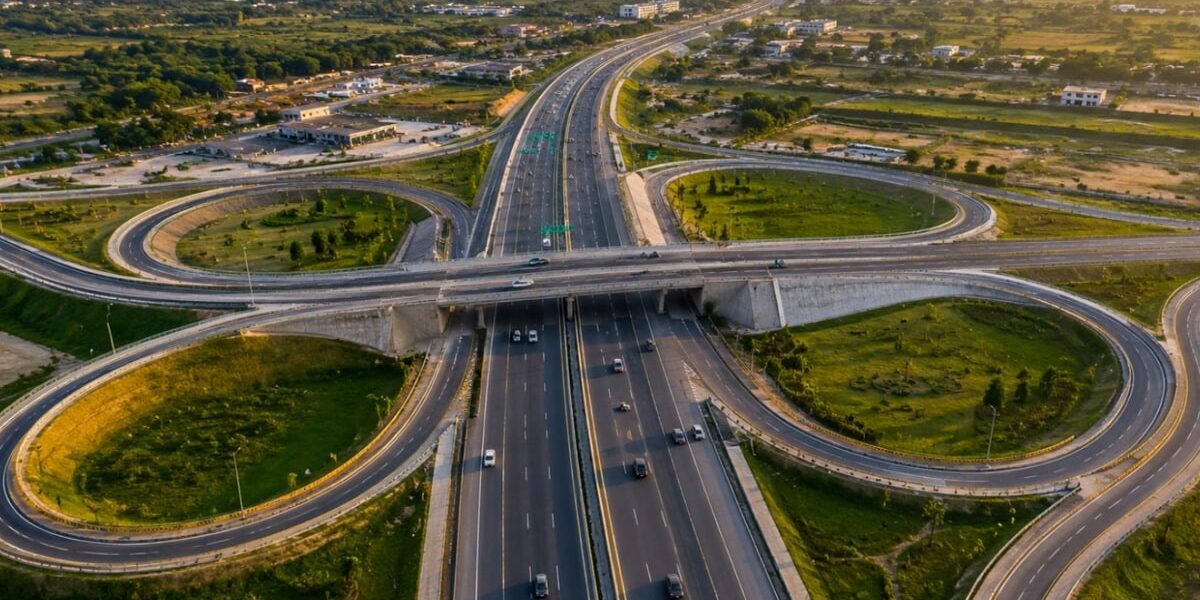
NESPAK has completed a feasibility study for the Rawalpindi Ring Road Phase-II project, which aims to connect Thalian Interchange with Hakla Interchange under the China-Pakistan Economic Corridor (CPEC) route. The consultancy firm has proposed three alignment options for the project and will submit them along with recommendations to the Punjab cabinet for approval.

The preferred option involves widening the existing M-2 Motorway from three lanes to five lanes on each side, a 15.3-kilometre project estimated to cost around Rs. 9 billion. This solution is deemed the most practical and cost-effective due to its lower construction costs by up to 60 percent compared to building a new route.

The second option proposes constructing a new 19.5-kilometre highway on the eastern side of the motorway, estimated at Rs. 18 billion. The third option involves a 26.5-kilometre corridor on the western side with an estimated cost of Rs. 24 billion. According to NESPAK’s feasibility report, the western alignment would be the longest and most expensive, requiring extensive land acquisition.

The feasibility study highlights several challenges related to traffic management during construction, right-of-way constraints, and interchange design. It concludes that while the expected benefits of the western alignment do not justify its significantly higher cost, the preferred option of expanding the existing motorway would reduce construction costs by 50 to 60 percent compared to building a new route.

The report also emphasizes that the preferred option would require less land acquisition, make use of existing infrastructure, and allow for quicker completion. NESPAK estimates that this solution will be completed more efficiently while maintaining the necessary road capacity improvements required by the project.

While the feasibility study has been completed, it is still awaiting approval from the Punjab cabinet before any further steps can be taken. The decision-making process now involves a thorough review of all three options to ensure the most suitable and cost-effective solution for the Rawalpindi Ring Road Phase-II project.