Key Takeaways
- 499 government buildings in Gilgit-Baltistan will get rooftop solar systems by December.
- The project aims to reduce loadshedding and promote clean, sustainable energy.
- Climate change-induced floods have damaged hydropower infrastructure in the region.
The federal government has announced a significant initiative to install rooftop solar systems with battery storage on 499 government buildings in Gilgit-Baltistan by December. This project, part of a broader 100MW solar energy plan, is aimed at addressing power loadshedding and promoting clean, sustainable energy sources.
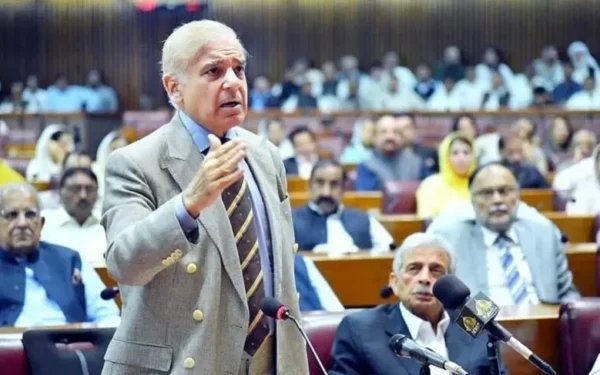
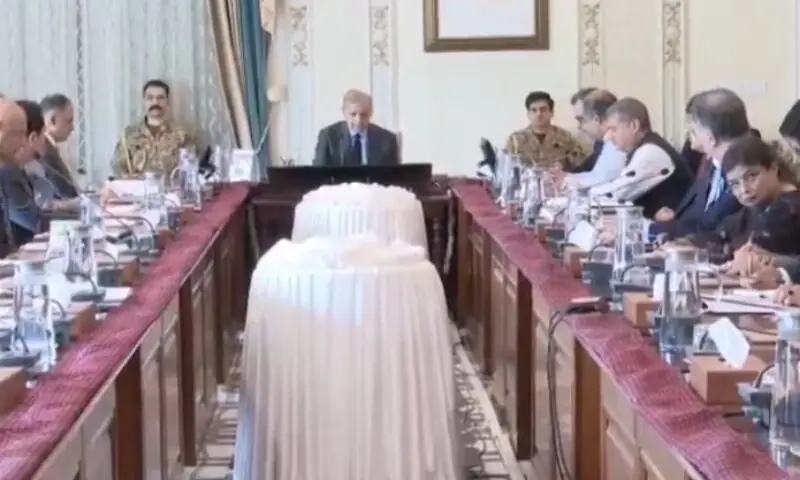
Speaking during a meeting about electricity provision to Gilgit-Baltistan, Prime Minister Shehbaz Sharif emphasized the importance of renewable energy in Pakistan's national strategy. He stated that 'the promotion of solar energy is key to our country’s future,' highlighting its potential for affordable and sustainable power generation.
Under this project, 18MW of rooftop solar systems will be installed on government buildings by December, with battery storage to ensure continuous power supply. The prime minister directed the power division to ensure timely completion and complete transparency in the procurement process. All payments are to be made only after a third-party validation to prevent any irregularities.
The 82MW utility-scale solar project is also being pursued, which is expected to benefit approximately 1.3 million people once completed. This initiative aims to improve electricity services in Gilgit-Baltistan and help eliminate loadshedding in the region during peak summer months.
However, climate change-induced floods have significantly impacted power generation in the area. The GB Water and Power Department reported that continuous flooding since June has damaged critical infrastructure of hydropower stations across the region, reducing available power generation capacity to about 157MW from a total installed capacity of 211.6MW.
The department further stated that the rising population in Gilgit-Baltistan has increased electricity demand during summer to around 285MW, creating a deficit of approximately 126MW. Several large hydropower projects are currently in pipeline but face delays due to funding constraints and litigation.
Moreover, restoration and maintenance of power projects remain challenging as floods wash away access roads to remote hydropower stations, making it difficult to transport heavy machinery and equipment. The GB government has sold over 5,000 air conditioners this year, adding an estimated 11MW to the regional load.
The prime minister's directive underscores the commitment of the federal government to address energy challenges in Gilgit-Baltistan through a combination of renewable energy projects and infrastructure restoration. The project is seen as a significant step towards ensuring reliable electricity services for the region’s residents.