Key Takeaways
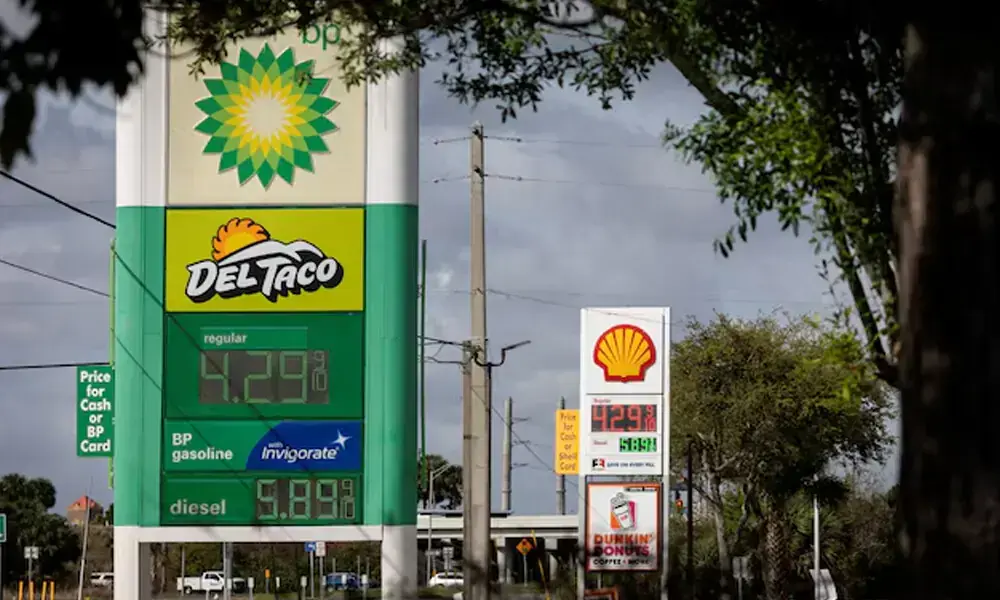
- US gasoline prices have risen back to an average of $4 per gallon.
- Iran declared a full-scale war with the US, intensifying attacks.
- The conflict threatens to impact upcoming midterm elections in November.
US motorists are facing higher fuel costs as gasoline prices have surged back to an average of $4 per gallon, according to data from AAA. This increase comes amid escalating tensions between the United States and Iran, which has declared a full-scale war with Washington. The conflict has intensified attacks on both sides, raising concerns about its impact on US politics and household budgets.
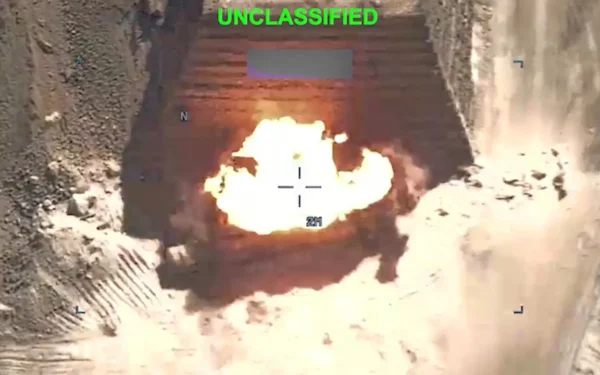
The price hike follows recent strikes by the US against Iranian targets, leading to Tehran’s retaliatory actions that have closed off the Strait of Hormuz, a crucial waterway for global energy transit. This closure sent shockwaves through international markets, driving up oil prices globally and consequently increasing gasoline costs in the United States.
The national average cost for a gallon of regular gasoline was $3.14 per gallon last year at this time. In March, prices briefly dipped below the $4 mark due to an interim deal between Washington and Tehran, but fighting has since resumed. This latest surge in fuel prices is expected to exacerbate inflationary pressures on American households, which have already been hit by years of price increases.
The political implications are significant as US President Donald Trump faces crucial midterm elections in November. Affordability is likely to be a key concern for voters, with higher gas prices potentially affecting the outcome of these elections. The conflict also threatens to undermine efforts to stabilize global energy markets and could have broader economic repercussions.
Iran’s Interior Minister Eskandar Momeni is set to travel to Pakistan’s capital on Monday as part of ongoing diplomatic exchanges aimed at mediating the conflict, according to a Pakistani source. Iran’s foreign ministry spokesperson signalled that these negotiations are still in progress, indicating an ongoing effort to find a resolution through mediation.
The situation remains volatile, with both sides continuing their attacks and the potential for further escalation. Analysts warn that any prolonged disruption of energy supplies could have severe economic consequences, not only for the United States but also for countries heavily reliant on imported oil.