Key Takeaways
- Finance Minister Muhammad Aurangzeb briefed senior IMF officials on Pakistan’s economic progress.
- Discussions covered fiscal discipline, tax reforms, and private sector-led development.
- Aurangzeb highlighted improved macroeconomic performance and stronger foreign exchange reserves.
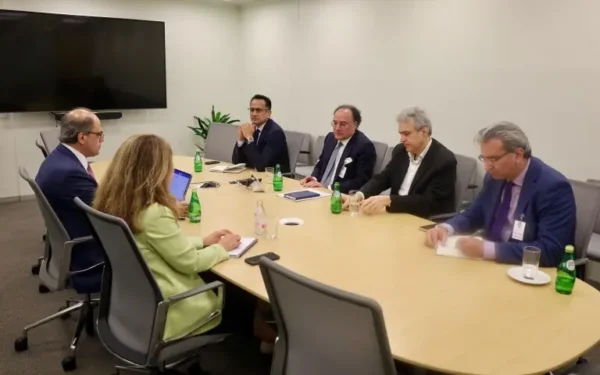
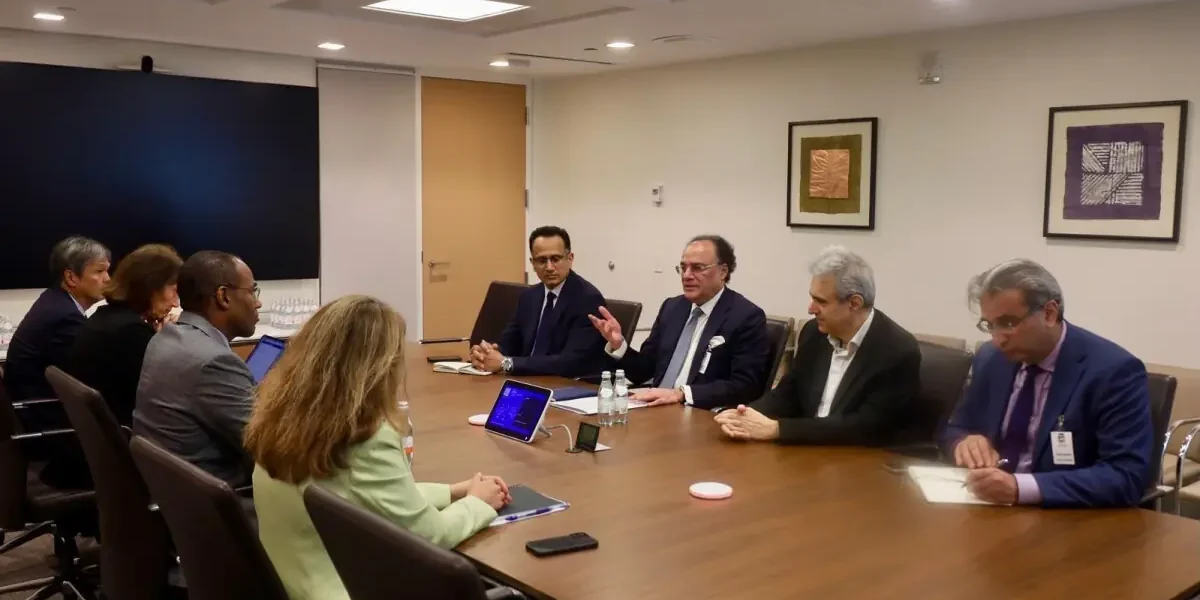
Finance Minister Muhammad Aurangzeb recently held a series of meetings with senior International Monetary Fund (IMF) officials to brief them on Pakistan’s economic reforms and progress. The meetings, which took place in Washington, DC, included discussions with Dan Katz, First Deputy Managing Director; Nigel Clarke, Deputy Managing Director; Jihad Azour, Director of the IMF’s Middle East and Central Asia Department; and Iva Petrova, Mission Chief for Pakistan.
During these meetings, Aurangzeb reviewed Pakistan’s macroeconomic performance under the Extended Fund Facility (EFF), Resilience and Sustainability Facility (RSF), and broader IMF-supported reform programme. He highlighted improvements in fiscal and external balances, achievement of revenue targets, stronger foreign exchange reserves, record remittances, and an improved current account position.
The discussions also focused on key reforms such as tax and energy policies, privatisation, tariff rationalisation, debt management, diversification of financing sources, and Pakistan’s return to international capital markets. Both sides exchanged views on human capital development, women’s economic participation, demographic challenges, technology-led growth, and private sector-led, export-oriented development.
Aurangzeb expressed gratitude for the Fund’s recognition of Pakistan’s strong programme ownership and reform progress, while reaffirming the government’s commitment to fiscal discipline, policy credibility, structural reforms, and long-term economic transformation. The meetings concluded with a positive note on the ongoing collaboration between Pakistan and the IMF.
In a separate meeting, Aurangzeb also discussed expanding economic and commercial cooperation with US EXIM Bank President and Chairman, John Jovanovic. They focused on financing for specific long-term projects and increased trade in agricultural commodities such as cotton and soybeans, as well as hydrocarbons.
Both parties agreed to identify near-term transactions, designate focal persons, and work towards finalising a strategic framework that would be signed during the United Nations General Assembly session in September 2026. This move is expected to strengthen bilateral economic ties between Pakistan and the US.
The meetings underscored Pakistan’s commitment to sustained economic reforms and its efforts to attract international support for its development goals. The finance minister’s engagement with key global financial institutions highlights the country’s proactive approach towards achieving macroeconomic stability and long-term growth.