Key Takeaways
- Pakistan State Oil (PSO) reports receivables of Rs. 908.7 billion, highlighting the energy sector's circular debt crisis.
- SNGPL is PSO’s largest debtor with outstanding payments of Rs. 535 billion for RLNG supplies.
- PSO must pay suppliers Rs. 157 billion, including Rs. 56 billion to domestic oil refineries.
Pakistan State Oil (PSO), the country’s largest fuel supplier, is grappling with significant liquidity pressures as its total receivables have surged to Rs. 908.7 billion, according to recent financial data. This substantial increase underscores the deepening circular debt crisis within Pakistan's energy sector.
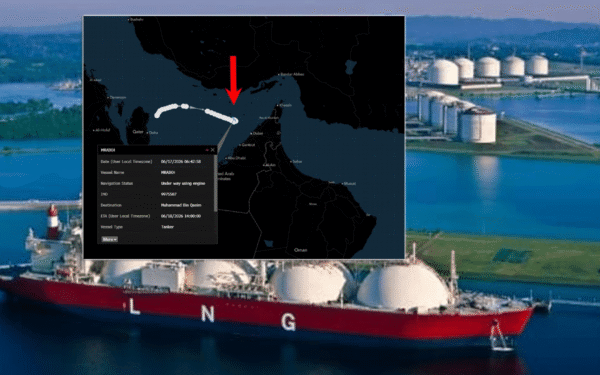
Sui Northern Gas Pipelines Limited (SNGPL) stands out as PSO’s largest debtor, owing a staggering Rs. 535 billion for re-gasified liquefied natural gas (RLNG) supplies. The power sector also contributes significantly to the debt burden, with outstanding payments amounting to Rs. 168 billion.
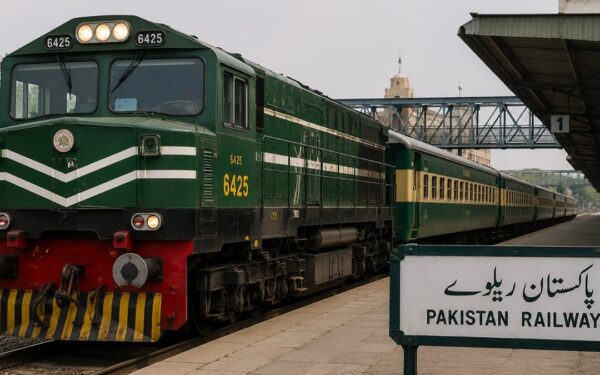
In addition to these large debts, PSO is awaiting Rs. 81 billion in tax refunds and claims from the Federal Board of Revenue, as well as Rs. 60 billion in foreign exchange loss claims. The company also has pending claims totaling Rs. 31 billion from Pakistan International Airlines, Rs. 24 billion related to price differential claims linked to the Iran-Israel conflict, and Rs. 5.3 billion from Pakistan Railways.
The data reveals that a significant portion of PSO’s receivables are overdue, with Rs. 525 billion being past due. Furthermore, Rs. 310 billion of the total outstanding amount consists of late payment surcharges, indicating prolonged delays by government entities and state-owned enterprises in settling their dues.
Despite these challenges, PSO itself faces financial obligations to suppliers, totaling Rs. 157 billion. This includes Rs. 56 billion owed to domestic oil refineries and Rs. 101 billion against letters of credit for crude oil, petroleum products, and LNG imports. The largest outstanding claim from a supplier is held by Pak-Arab Refinery Company at Rs. 30.3 billion, followed closely by Pakistan Refinery Limited, National Refinery Limited, and Attock Refinery Limited.
The situation highlights the complex interplay of debt between various stakeholders in Pakistan’s energy sector, with PSO caught in a cycle of unpaid bills from government entities and state-owned enterprises while simultaneously having to meet its own financial obligations. This ongoing crisis poses significant risks for the stability and sustainability of Pakistan's fuel supply chain.
The mounting receivables and delayed payments underscore the urgent need for comprehensive reforms in the energy sector, including improved payment mechanisms and enhanced fiscal discipline among government entities and state-owned enterprises.