Key Takeaways
- Thousands of migrants crossed into the Spanish enclave of Ceuta from Morocco.
- Nine bodies were retrieved by authorities in Ceuta.
- Clashes erupted as security forces tried to stop the crowd.
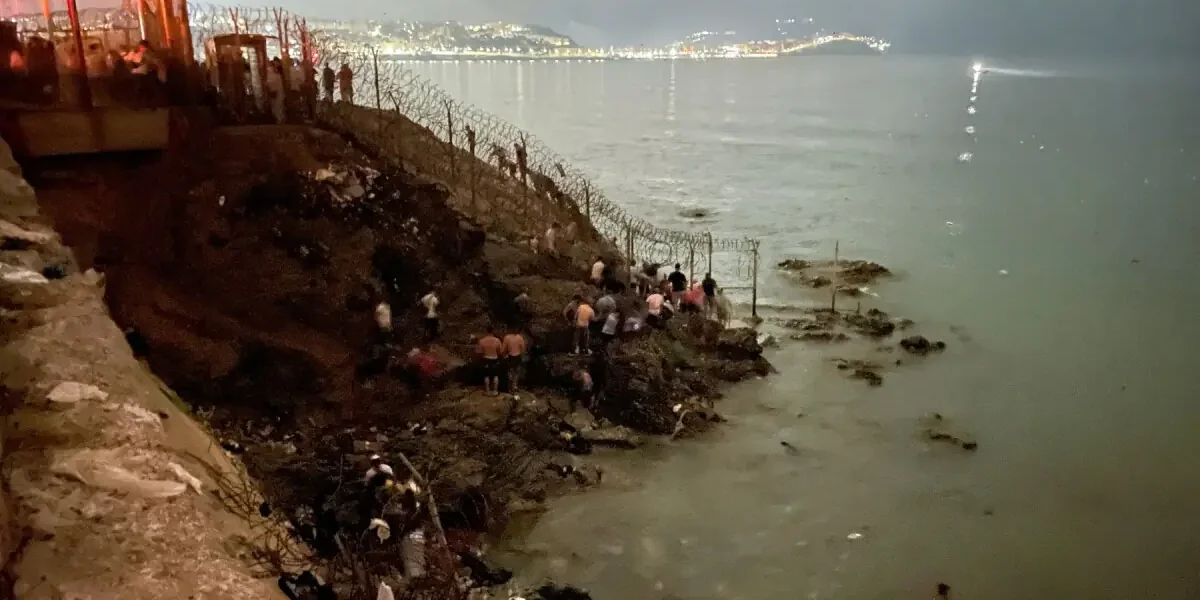
In a sleepless night, thousands of migrants streamed into the Moroccan town of Fnideq near the border with Spain's Ceuta, despite reinforced security measures. Spanish state television reported that between 2,000 and 3,000 people crossed into Ceuta on Thursday.
Most successful crossings occurred before midday, according to local residents. Ceuta, along with Melilla, represents Europe’s only land border with Africa and experiences periodic surges in attempted crossings by migrants seeking entry to the EU.

Spain deployed military and police reinforcements to Ceuta after the surge, while authorities reported nine bodies had been retrieved within the enclave. The incident highlights ongoing challenges for European Union member states managing migration flows.
Vehicles were torched in Fnideq as migrants waited for a chance to cross into the Spanish enclave. Witnesses described chaotic scenes of people pushing and stepping on one another along a narrow coastal route, caught in a stampede during an attempted crossing.
Moroccan authorities deployed water cannon trucks and reinforced security at the border gates, repeatedly pushing back migrants attempting to approach. The charred remains of a bus and seven vehicles were left after clashes erupted as authorities sought to stop the crowds.
Traffic clogged roads into Fnideq as would-be migrants, including minors, continued to arrive throughout the night. Some trudged along the highway while others took mountain paths to avoid checkpoints.
Fatima Mahli, 23, and her two daughters were among those waiting on a patch of grass beside the road in Fnideq. The incident underscores the ongoing humanitarian crisis at Europe’s southern borders.
Spain's Socialist government stands out for its pro-migrant stance, recently launching a programme to provide legal status for some 500,000 undocumented migrants, triggering an influx of applications double that number.