Key Takeaways
- British domestic holiday traffic is expected to reach pre-Covid levels.
- The port of Dover faces its biggest challenge yet with new EU border controls.
- Concerns of traffic congestion and delays are mounting ahead of the busiest weekend.
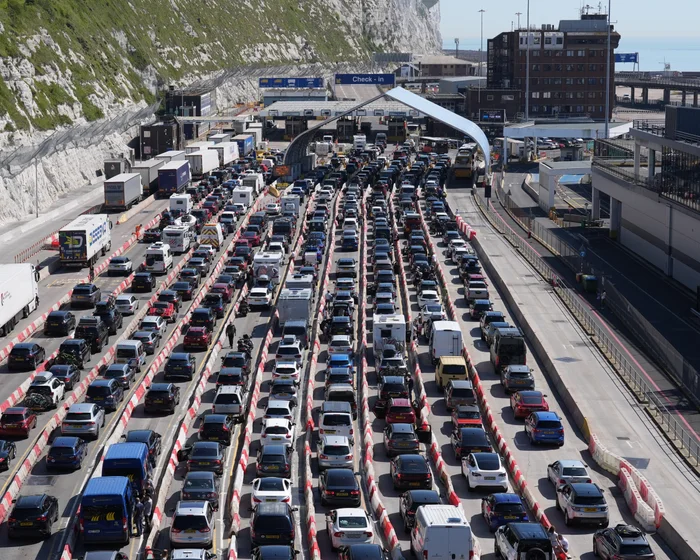
As the peak summer season approaches, fears of chaos at the UK’s main ferry port, Dover, have intensified due to new European Union (EU) border controls. The port is set to handle millions of drivers over the coming weeks, with concerns that the semi-functioning entry-exit system (EES) could exacerbate traffic congestion and delays.
The EES, which has been credited for managing some of the recent influx of domestic holiday traffic, is now facing its most significant test. The system, designed to streamline border checks, has struggled to cope with increased demand, leading to worries that it may not be able to handle the expected surge in travelers without issues.
According to reports, British domestic holidays are currently at their highest levels since the coronavirus pandemic. This increase is partly attributed to the easing of travel restrictions and the return of summer vacations. The combination of domestic holiday traffic and new EU border controls has created a perfect storm for potential chaos at Dover’s port facilities.
Local authorities and transport officials have been warning about the potential for significant delays, particularly as the busiest weekend looms on the horizon. The heatwaves currently affecting the region are also adding to concerns, with high temperatures potentially impacting road conditions and driver behavior.
The situation is further complicated by ongoing issues related to flights following the recent war in Iran. While not directly linked to Dover, these disruptions have contributed to a general sense of uncertainty among travelers, who may be more cautious about their journeys.
In response to these concerns, local authorities are urging drivers to plan ahead and allow extra time for their journeys. They recommend using alternative routes where possible and avoiding peak times if at all feasible. The government has also been working closely with ferry operators and transport companies to ensure that contingency plans are in place should the situation worsen.
Despite these efforts, there remain significant uncertainties about how well the EES will perform under increased pressure. Some experts predict that without substantial improvements or additional resources, the system could struggle to keep up with the anticipated volume of travelers. This has led to calls for a more robust and reliable border management solution to prevent potential gridlock at Dover.
As the summer season progresses, the situation at Dover will be closely monitored by both local authorities and national transport agencies. The coming days will provide crucial insights into whether the current measures are sufficient to manage the expected traffic surge or if further action is required to mitigate potential chaos.