Key Takeaways
- New Zealand reports first infection of a native bird by the deadly H5N1 virus.
- A swamp harrier hawk, known as kahu, tested positive for the virus in the North Island’s Wairarapa region.
- No detection of bird flu in poultry has been reported so far.
New Zealand authorities have confirmed their first case of H5N1 bird flu in a native bird, specifically a swamp harrier hawk known locally as kahu. The infection was detected on Friday in the North Island’s Wairarapa region, following earlier confirmation of the virus in a brown skua near Wellington.
Biosecurity Minister Andrew Hoggard stated that while it is disappointing to find a native bird with H5N1 bird flu, this outcome was not entirely unexpected given the recent detection in a migratory seabird. He explained that hawks can contract the virus by hunting, eating, or scavenging infected birds.
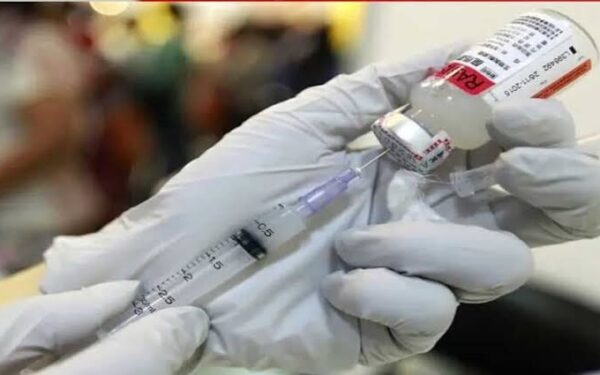
The discovery of the virus in a native species raises concerns about its potential spread and impact on local wildlife. Health officials have initiated a vaccination programme targeting 300 core breeding birds from five endangered species, including flightless takahe and kakapo, to protect them against the disease.
This development comes days after Australia reported its first case of H5N1 in a local seabird, highlighting the increasing global threat posed by the virus. All previous cases had involved migratory birds, making this new detection concerning for conservationists and public health officials alike.
Minister Hoggard emphasized that there has been no detection of bird flu in poultry so far, assuring the public that measures are being taken to prevent any potential spread through domesticated fowl. However, he acknowledged the need for continued vigilance and monitoring of both native and migratory birds across the country.
The confirmation of H5N1 in a native bird underscores the importance of ongoing surveillance and preparedness efforts. As the virus continues to pose a threat globally, New Zealand’s response serves as an example of proactive measures being taken to mitigate its impact on wildlife and public health.