Key Takeaways
- Pakistan plans to purchase at least one LNG cargo for July and up to six shipments in August.
- The move comes amid ongoing US-Iran conflict disrupting energy shipments through the Strait of Hormuz.
- Rising temperatures have increased power demand, leading to greater reliance on LNG-fired generation.
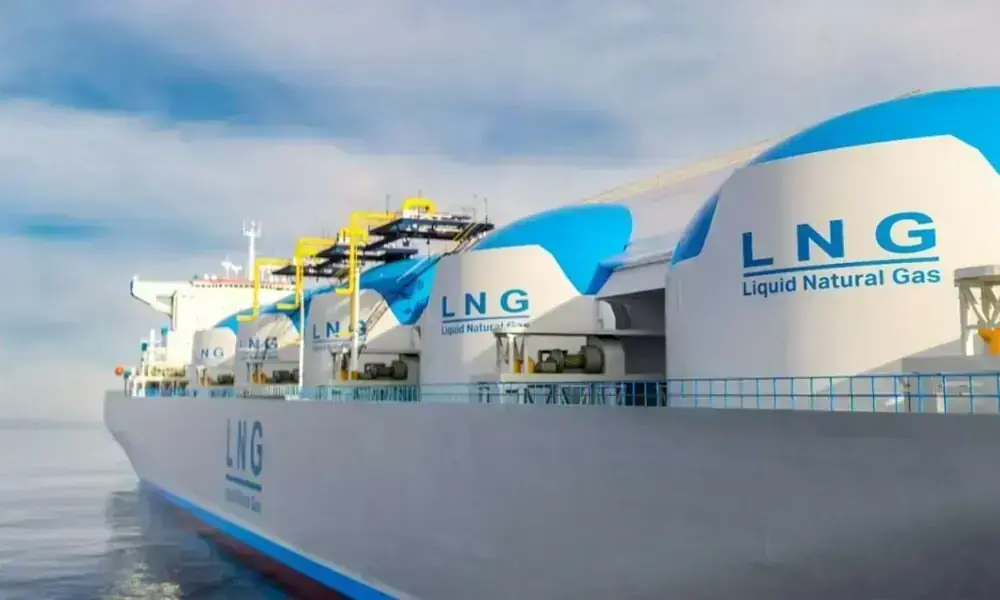
Pakistan is set to increase its liquefied natural gas (LNG) imports from Qatar in response to ongoing disruptions caused by the US-Iran conflict. According to a report by Bloomberg, Pakistan plans to buy at least one LNG cargo for delivery in July and up to six shipments in August.
The government's strategy reflects growing concerns over energy security as tensions between Iran and the United States escalate, with attacks across the Gulf limiting oil flows through the Strait of Hormuz. Tehran has also asked the Houthis to be prepared to shut down the Red Sea export route, further complicating supply chains.
Muhammad Awais Ashraf, research director at AKD Securities, stated that Pakistan’s increased reliance on LNG is driven by rising temperatures and higher power demand. He noted that solar output to the grid has fallen, forcing the government to increase its use of gas-fired generation. By early July 2026, Pakistan had purchased an LNG shipment for delivery from TotalEnergies SE for $17.37/mmbtu, marking its second spot purchase in two weeks to replace Qatari supplies disrupted by renewed hostilities.
Pakistan LNG Limited (PLL) has also issued a tender for an urgent LNG cargo for July 15-16 delivery following the cancellation of a Qatari shipment. This underscores Pakistan’s ongoing struggle to secure stable and reliable energy sources amid volatile global prices and supply disruptions, which have intensified during the US-Iran conflict.
The report highlights that Pakistan has faced challenges in securing LNG cargoes over recent years, with efforts complicated by fluctuating global prices and supply issues. The government's decision to increase imports from Qatar reflects a cautious approach to managing energy security risks amid ongoing geopolitical tensions.
While the exact terms of future purchases have not been disclosed, the report suggests that Pakistan is actively seeking alternative sources to mitigate potential disruptions in its energy supply chain.